




An Antidote to Hustle Culture Fitness
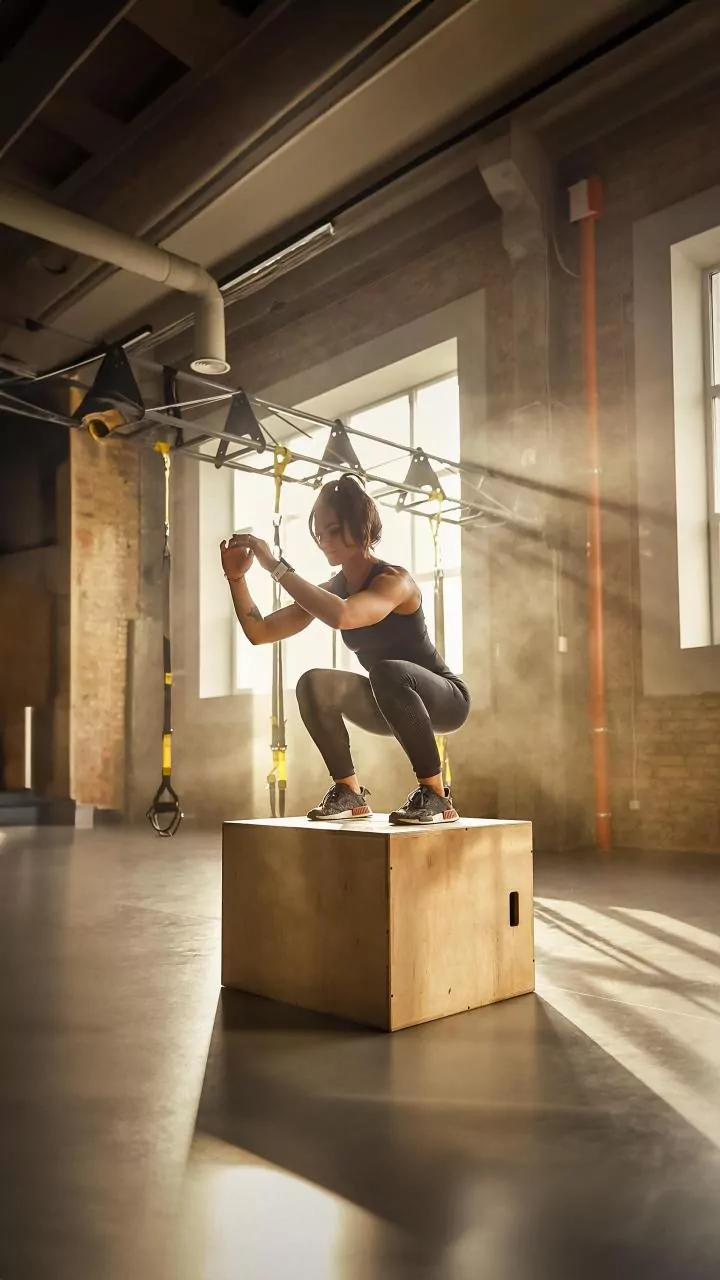
For much of the 2010s, the wellness world was dominated by a “more is more” philosophy. Think CrossFit boxes, punishing HIIT classes, and pricey spin studios that sold exclusivity and intensity as the primary paths to health. It was a culture of performance,
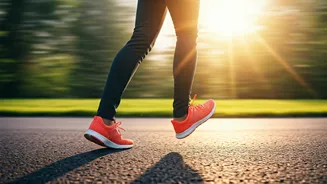
optimization, and often, significant financial investment. But for many younger Millennials and Gen Z, that era’s high-octane approach has led to burnout, not bliss. The turn towards walking isn't just about saving money on a gym membership; it's a quiet rebellion against the idea that fitness must be painful, punishing, or performative to be effective. Walking is accessible, requires minimal gear, and places the focus back on personal well-being rather than competitive metrics. It’s a gentle corrective to a fitness culture that often felt like another form of work.
From 'Hot Girl Walks' to 75 Soft
This trend isn't just an amorphous desire to stroll more; it’s being codified and amplified by social media. The most prominent example is the “hot girl walk,” a term popularized on TikTok. Contrary to its name, the trend has little to do with appearance and everything to do with mindset. The rules are simple: during a walk of a few miles, you’re only allowed to think about three things: what you’re grateful for, your goals and how you’ll achieve them, and how “hot” you are (a stand-in for self-confidence). It reframes walking as an act of mental self-care. This dovetails with the popularity of structured but flexible challenges like “75 Soft,” a more manageable alternative to the grueling “75 Hard” challenge. While 75 Hard demands two daily workouts, one of which must be outdoors, 75 Soft often modifies this to include a single 45-minute workout, which for many, becomes a daily walk. These frameworks provide structure and a sense of accomplishment without the all-or-nothing pressure of their predecessors.
More Than Just Steps
The motivations behind the walking boom go deeper than just physical exercise. For a generation grappling with high rates of anxiety and economic uncertainty, walking offers a powerful, low-cost mental health tool. It’s a proven stress reducer, providing a dedicated time to disconnect, process thoughts, or listen to a podcast without the pressure of a screen. In an increasingly digital world, a simple walk offers a tangible connection to the physical environment. It’s an antidote to “doomscrolling” and the feeling of being perpetually online. The economic angle is also impossible to ignore. With inflation and the high cost of living, a free activity that doubles as exercise and mental respite is incredibly appealing. It democratizes wellness, taking it out of the expensive studio and putting it on every street corner.
The New Low-Pressure Social Scene
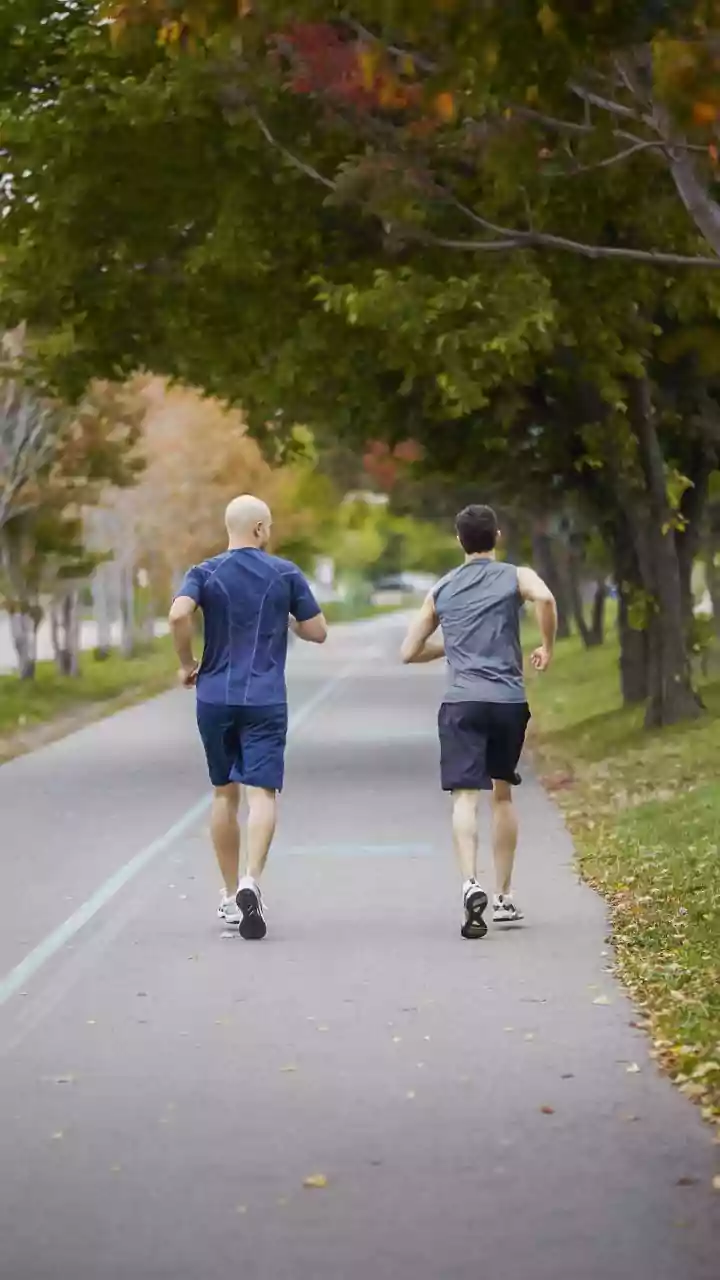
While many enjoy the solitude of a walk, the trend is also profoundly social. Across the country, young adults are forming walking clubs, turning a solitary activity into a communal one. These groups provide a low-stakes, affordable way to socialize, a welcome alternative to the default “let’s grab a drink” invitation. The post-pandemic landscape has left many craving connection, but not necessarily in crowded, loud, or expensive venues. A walk with a friend, a date, or a group of strangers from a Meetup group fulfills that need for connection in a relaxed and healthy way. It removes the pressure of constant eye contact and allows conversation to flow more naturally. Sharing walking goals and progress online also creates a sense of digital community, offering accountability and encouragement that helps keep the habit alive.