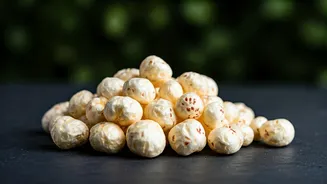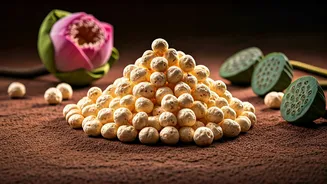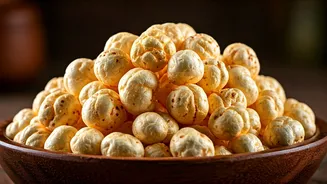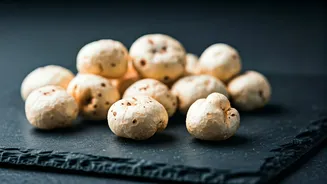

So, What Exactly Is Makhana?
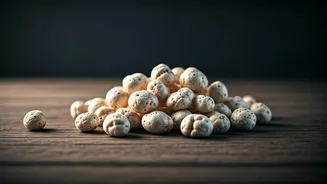
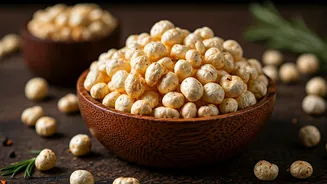
First, let's clear up what it isn't. Despite being called fox nuts or gorgon nuts, makhana has no relation to tree nuts. And though it’s often compared to popcorn, it requires no oil to pop and has a distinct, satisfyingly Styrofoam-like crunch that melts
in your mouth. Makhana is actually the seed of the Euryale ferox, a species of water lily with enormous, thorny leaves that blanket stagnant ponds and wetlands. The seeds are harvested from the bottom of these ponds, dried, and then roasted at high heat until they burst open, shedding their black shells to reveal the familiar white puff. On its own, the taste is incredibly neutral, making it a perfect blank canvas for seasonings—a quality that has been key to its global rise.
From Sacred Offering to Local Staple
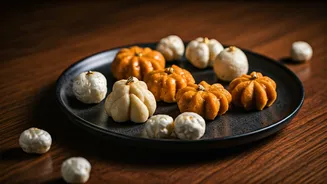
For centuries, makhana has been a cornerstone of life in the Mithila region of Bihar, in eastern India, which produces over 80% of the world's supply. The harvesting process is notoriously laborious and often carried out by Mallah, or “fishermen,” communities who wade through murky water to collect the sunken seeds. It’s demanding, uncomfortable work that has kept the food hyper-local for generations. Culturally, makhana holds a special place. It’s considered a “pure” food, suitable for religious offerings (prasad) and for consumption during Hindu fasting periods. In homes across Bihar, it's a simple, everyday comfort food—roasted with a little ghee and salt, or added to curries and desserts like kheer (rice pudding). It was nutritious, affordable, and deeply woven into the local identity, but it was hardly glamorous.
The Superfood Rebrand
The “glow-up” began when the wellness world discovered what Bihari locals had known all along: makhana is a nutritional powerhouse. As Western consumers began searching for snacks that were gluten-free, low-calorie, and high in protein, makhana checked all the boxes. It’s an ancient grain alternative that fits neatly into Paleo and vegan diets. It’s also rich in minerals like magnesium and potassium and contains kaempferol, a flavonoid known for its anti-inflammatory properties. This potent combination of ancient roots and modern health benefits created the perfect storm for a rebrand. Suddenly, the humble pond seed was being marketed as a “superfood,” an ethereal, guilt-free alternative to chips and popcorn that could deliver crunch without the consequences.
Hitting the Shelves in America
This transformation from local staple to global wellness snack is most visible on American store shelves. Where it was once found only in Indian grocery stores, makhana is now a fixture in the aisles of Whole Foods, Trader Joe’s, and on Amazon. Brands like AshaPops and Bohana have packaged it in sleek, modern bags, offering a range of palate-friendly flavors like Himalayan Pink Salt, Turmeric Garlic, and Spicy Chili. They've effectively translated the product for a new audience, positioning it not as an ethnic food but as a universal healthy snack. This commercialization has driven a surge in demand, creating new economic opportunities back in Bihar, even as it raises questions about sustainable harvesting and fair compensation for the farmers at the heart of the industry.