



The Mindset Shift
The single biggest change you can make to your food budget happens before you even write a grocery list. It’s the shift from a “recipe-first” mindset to a “pantry-first” one. Most of us operate by asking, “What do I feel like eating?” We then find a recipe online,
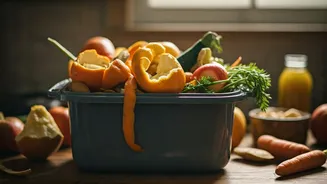
list the ingredients we don't have, and go buy them. The problem? That half-used bag of quinoa and those lonely cans of beans in the pantry get pushed further into the back, destined for a future cleanout. The “cook-with-what-you-have” approach flips the script. The central question becomes, “What can I create with the ingredients I already own?” This isn’t about deprivation; it’s about resourcefulness. It turns your kitchen from a passive storage unit into an active inventory of possibilities. By starting with what’s on hand, you automatically reduce spending, minimize food waste, and build your creative cooking muscles.
Step 1: The Kitchen Inventory
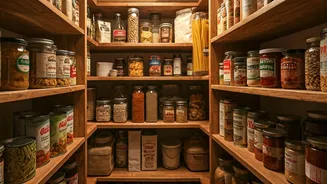
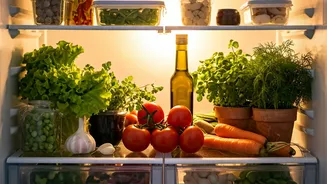
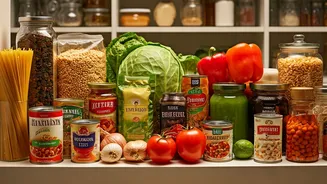
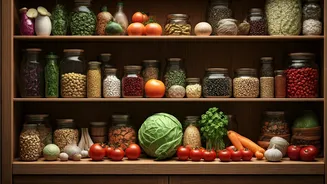
You can't use what you don't know you have. The first practical step is to conduct a full inventory. This doesn’t have to be a multi-day ordeal. Just dedicate 30 minutes to exploring your culinary assets. Divide your audit into three zones: 1. The Freezer: This is often a treasure trove of forgotten value. Look for frozen vegetables, half-loaves of bread, mystery meats (try to identify them!), and leftover soups. A simple list on a magnetic whiteboard or a note on your phone can keep these items top-of-mind. 2. The Fridge: This is a zone of urgency. Identify produce that’s starting to wilt, dairy nearing its expiration date, and leftover portions from previous meals. These are your “use-it-first” items. 3. The Pantry: Get a clear picture of your dry goods. What grains, pastas, canned goods, spices, oils, and vinegars do you have? You might be surprised to find three half-empty boxes of the same pasta or a can of coconut milk you bought for a recipe you never made. Grouping like items together makes it easier to see what you’re working with.
Step 2: Connecting the Dots
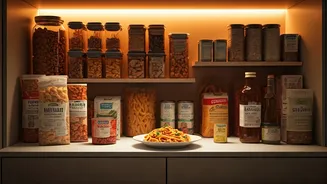
With your inventory complete, the fun begins. This is where you play matchmaker with your ingredients. Don't worry about finding a perfect recipe that uses exactly what you have. Instead, think in terms of flexible meal templates. A common and effective template is “Protein + Starch + Vegetable.” Your inventory might reveal frozen chicken thighs (protein), a bag of potatoes (starch), and wilting green beans (vegetable). That’s the foundation for a simple and delicious sheet-pan dinner. A can of chickpeas, a jar of tomato sauce, and a box of pasta become a hearty vegetarian meal. Half a block of cheese, a few eggs, and that wilting spinach from the fridge? You’ve got a perfect frittata or omelet. The goal isn't culinary perfection; it's about creating a nourishing, satisfying meal from components you already paid for.
Step 3: The Strategic Grocery List
This method doesn't mean you never go to the grocery store again. It just changes *how* you go. Instead of buying ingredients for five distinct new recipes, you’re now shopping to fill the gaps. Your list becomes much shorter and more strategic. Looking at your inventory, you might realize you have plenty of pasta and canned tomatoes but no onions or garlic. Or you might have chicken and rice but need a fresh vegetable to round out the meal. This approach transforms your grocery run from a major weekly expenditure into a smaller, tactical restock. You're buying fresh produce to complement your pantry staples or picking up a specific protein to pair with the grains you have on hand. This prevents the costly cycle of buying ingredients for one specific meal, using only half, and letting the rest expire.