





So, What Exactly Is Yuzu?
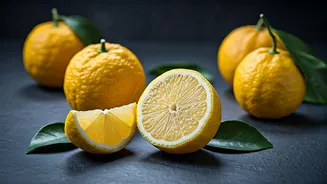
Imagine if a grapefruit, a lemon, and a mandarin orange had a very fragrant, slightly magical baby. That’s yuzu. This golf-ball-sized citrus, native to East Asia, looks like a small, bumpy lemon that’s not quite sure if it wants to be yellow or green.
But its humble appearance hides an aromatic secret. Unlike lemons or limes, which are prized for their acidic juice, yuzu’s true power lies in its zest and fragrant oils. The flavor is a complex ballet of tartness and a distinct floral, almost pine-like aroma that lingers long after the initial sour punch fades. It's less a straightforward acid kick and more of an all-encompassing sensory experience. Botanically, it’s a hybrid of the hardy Ichang papeda and the sour mandarin orange, giving it a unique resilience and an unforgettable perfume that chefs and bartenders find irresistible.
The Price of Prestige
There’s a reason you don’t see pyramids of fresh yuzu at your local grocery store. It’s expensive, rare, and considered a prestige ingredient. The trees are notoriously difficult to cultivate, covered in wicked thorns and taking over a decade to bear a significant amount of fruit. Its primary growing regions are still concentrated in Japan and Korea, where it’s a cornerstone of the cuisine. Think ponzu, the classic Japanese dipping sauce, or yuzu kosho, a fiery, fragrant paste of yuzu zest, chili, and salt. This deep-rooted cultural significance gives it an air of authenticity and luxury. For chefs outside of Asia, using yuzu is a signal—it says you’re in tune with global flavors and willing to source the very best, even if it comes at a premium. As a result, it’s most often found as an imported juice, powder, or flavoring, which only adds to its mystique and cost.
From Tokyo to New Delhi
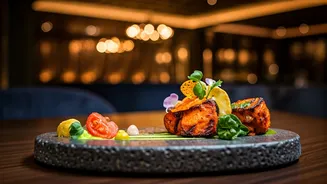
While yuzu has been a darling of high-end kitchens in the U.S. and Europe for years, its arrival in India's culinary scene is a more recent phenomenon. In major cities like Mumbai, Delhi, and Bengaluru, top-tier restaurants and cocktail bars are embracing it as the ingredient du jour. Mixologists are swapping out lime for yuzu in gin and tonics and margaritas to add a floral, sophisticated twist. Pastry chefs are folding it into cheesecakes, sorbets, and macarons, where its bright aroma cuts through the richness. For India’s diners, who have a deep appreciation for complex flavors and their own rich array of citrus like the fragrant Gondhoraj lemon, yuzu offers something both familiar (it’s a tart fruit) and thrillingly new. It’s a taste of global modernity, a flavor that connects a diner in a Mumbai hotel bar with a foodie in a New York bistro.
A Global Flavor Phenomenon
India’s embrace of yuzu isn't happening in a vacuum; it's the latest chapter in the fruit's slow-burn global takeover. The playbook is now familiar: an ingredient with deep cultural roots in one region gets “discovered” by pioneering Western chefs (think Ferran Adrià in Spain or Thomas Keller in the U.S.). It becomes a secret handshake in the fine-dining world, then trickles down to craft cocktail bars, premium packaged goods—like yuzu-flavored seltzers and mayonnaise—and eventually, into the vocabulary of home cooks. This journey solidifies its status not just as an ingredient, but as a cultural marker. Seeing it pop up on menus in India confirms that yuzu has officially graduated from a niche East Asian specialty to a permanent member of the global flavor pantry, sitting right alongside ingredients like ginger, saffron, and chili.