



Beyond the Blue Bin
For many well-intentioned Americans, environmental responsibility ends at the recycling bin. We meticulously separate plastics, paper, and glass, feeling a small sense of accomplishment as we roll the bin to the curb. But what about the rest of our trash?
The U.S. Environmental Protection Agency (EPA) estimates that food scraps and yard waste make up more than 30% of what we throw away. When this organic matter gets buried in a landfill, it’s starved of oxygen and rots, releasing methane—a greenhouse gas far more potent than carbon dioxide. The scale of the problem feels immense and abstract. Composting offers a direct intervention. It’s a simple pivot that intercepts this waste stream before it even leaves your home, tackling a huge slice of the landfill problem at its source.
A Tangible Antidote to Helplessness
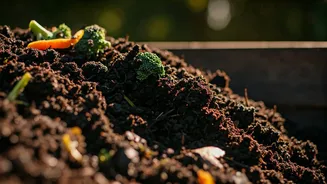
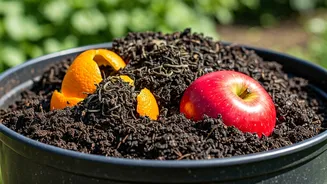
The true power of composting might not be its environmental impact, but its psychological one. It’s an active, not passive, process. Unlike recycling, where you send materials away to an unknown fate, composting creates a visible transformation you can witness yourself. That pile of coffee grounds, banana peels, and wilted lettuce doesn’t just disappear; it darkens, breaks down, and becomes something new: rich, nutrient-dense soil. This hands-on connection is deeply rewarding. In a world of complex, invisible systems, composting offers a closed loop you can control. You take something you once considered ‘garbage’ and turn it into a valuable resource for your garden, houseplants, or community green space. This act of creation, of turning decay into life, provides a powerful sense of agency that global issues often strip away.
Your Kitchen's Hidden Power
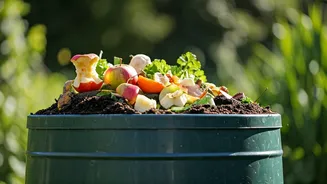
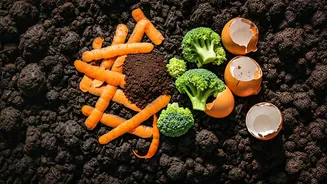
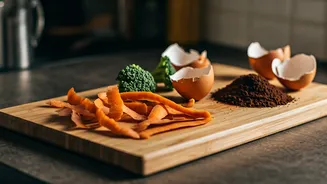
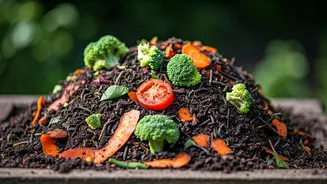
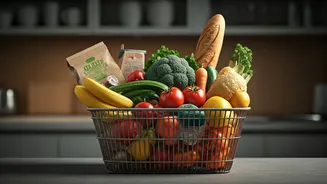
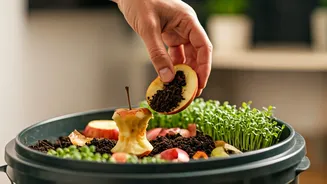
Getting started is simpler than you think and doesn’t require a yard. The first step is just separating your organic waste. A small countertop bin or even a large bowl is all you need to collect your daily scraps. So what goes in? Think of it as a plant-based diet for your compost pile. Fruit and vegetable scraps, coffee grounds and paper filters, crushed eggshells, tea bags (staples removed), and stale bread are all perfect. Yard trimmings like grass clippings and leaves are also fantastic additions if you have them. The 'what-to-avoid' list is just as important for a healthy, odor-free pile: no meat, fish, bones, dairy products, or oily foods. These items can attract pests and create foul smells as they decompose. By simply dividing your waste into these two categories—plant-based scraps for the compost and everything else for the trash—you’ve already done half the work.
Finding Your Composting Style
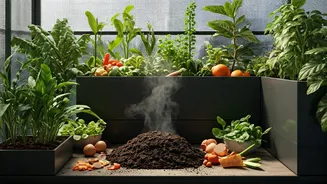
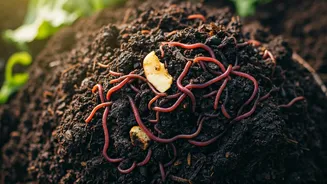
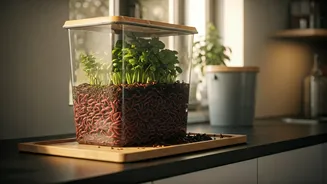
The myth that you need a huge backyard to compost is just that—a myth. There is a method for nearly every living situation. For those with outdoor space, a simple backyard bin (either purchased or homemade) is a classic, low-maintenance option. Just layer your green materials (kitchen scraps) with brown materials (dry leaves, shredded cardboard) and let nature do the work. For apartment dwellers or those with no yard, vermicomposting, or worm composting, is a game-changer. These compact, self-contained bins can be kept on a balcony, in a garage, or even under a sink. The worms work quickly and produce some of the most nutrient-rich compost available. And for those who want the benefit without any of the labor, many cities and private companies now offer curbside compost collection services. They provide you with a bin and pick it up weekly, just like trash and recycling. A quick online search for 'compost service near me' is all it takes to find an option.