





Your Body's Clock Runs on Light
At the heart of this trend is a simple biological fact: human beings are hardwired to respond to light. For millennia, the rising and setting of the sun governed our cycles of sleep and wakefulness. This internal 24-hour master clock, known as the circadian
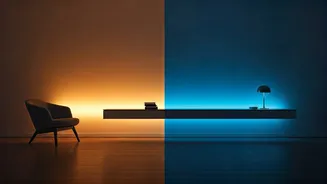
rhythm, doesn't just manage our sleep; it influences our mood, alertness, metabolism, and even our immune system. The key mechanism involves photoreceptors in our eyes that detect the color and intensity of light. Bright, blue-toned light—like that of a clear morning sky—sends a powerful signal to our brain to suppress the sleep hormone melatonin, making us feel awake and alert. Conversely, the warm, dim, amber hues of sunset and firelight signal that it's time to wind down, allowing melatonin production to rise and prepare us for a restful night.
The Problem with Modern Lighting
The invention of the light bulb was a modern marvel, but it came with an unintended consequence: it disconnected us from the natural light cycle. We began spending our days under static, often harsh, artificial light and our evenings staring at screens that blast our brains with stimulating blue light. This constant, unvarying light can confuse our internal clocks. The result? That familiar feeling of being wired but tired at night, groggy and unfocused in the morning, and the midday slump that sends you running for a third cup of coffee. Designers and wellness experts now recognize that much of our standard indoor lighting works against our biology, not with it. The solution isn't to go back to candlelight, but to make our artificial light smarter.
Enter Human-Centric Lighting
“Human-centric lighting,” sometimes called circadian lighting, is the practice of designing and using light systems that mimic the natural, dynamic light of the sun throughout the day. The goal is to support our natural circadian rhythm, rather than disrupt it. In the past, this was a complex and expensive endeavor reserved for high-end architectural projects. Today, thanks to the proliferation of affordable smart home technology and LED advancements, it's becoming accessible to everyone. Tunable-white smart bulbs, for example, can automatically shift their color temperature and brightness over the course of the day. They can be programmed to emit a crisp, blue-rich light in the morning to help you wake up and focus, then gradually transition to a soft, warm, amber glow in the evening to help you relax and prepare for sleep.
How to Light Your Home for Wellness
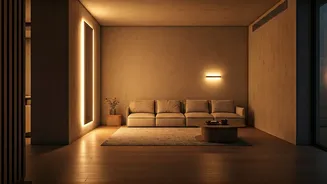
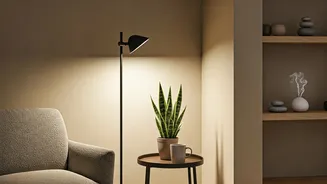
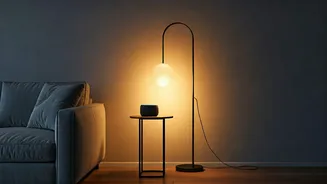
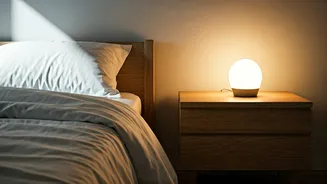
You don't need a fully automated smart home to reap the benefits. It's about being intentional. Start by thinking about the purpose of each space and the time of day. **For Energy & Focus (Mornings & Workspaces):** Use bright, cool-toned light (around 4000K–5000K, often labeled “cool white” or “daylight”). Open the blinds first thing in the morning to get natural sunlight. In a home office, position your desk to get as much natural light as possible and supplement with a bright task lamp. **For Relaxation (Evenings & Living Areas):** This is where warmth is key. Switch to very warm-toned light (2700K or lower, labeled “soft white” or “warm glow”). Dim the lights significantly. The goal is to create an environment that feels like dusk. Avoid using bright overhead lights in the living room or bedroom in the two hours before bed. Instead, rely on table lamps and floor lamps with warm bulbs and shades that diffuse the light. **For Your Bedroom:** This should be a sanctuary for sleep. Use blackout curtains to eliminate light pollution from outside. Install a dimmer on your main light and use bedside lamps with very low-wattage, warm-toned bulbs for reading. Critically, try to keep blue-light-emitting screens (phones, tablets, TVs) out of the bedroom or use their “night mode” settings, which warm the screen color.
Simple Swaps, Big Impact
If you're not ready to replace all your bulbs, start small. The single most impactful change you can make is installing dimmer switches on your main lights, especially in the living room and bedroom. This gives you immediate control over light intensity. The second is to simply pay attention to the Kelvin (K) rating on the bulbs you buy. Stop buying “daylight” bulbs for your bedside lamp. Save those for the garage or your desk. By choosing the right bulb for the right space, you’re taking a powerful step toward a better-lit, and better-feeling, life.