




The Mango You Don't Know
For most Americans, a mango is a singular experience: a sweet, fragrant, and sunset-hued fruit that tastes like a tropical vacation. But in India, the mango has a dual identity. Long before the fruit ripens into its sugary final form, it’s harvested as kairi,
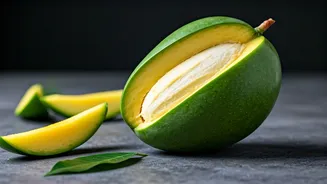
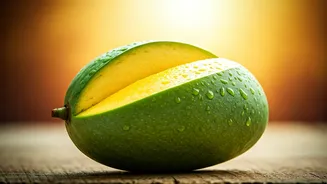
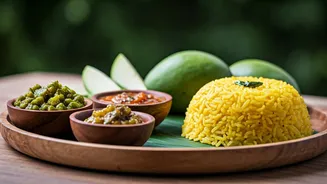
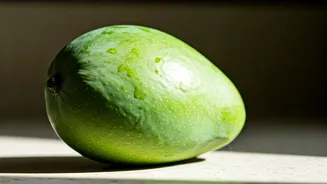
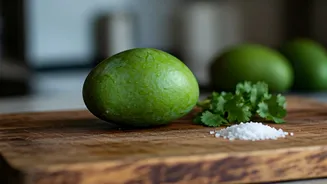
or raw mango. This is not a different species; it’s simply the fruit in its youth—hard, crisp, and unapologetically sour. Its skin is a deep forest green, and its flesh is a pale, creamy white. The flavor is a bracing jolt of acidity, sometimes with a subtle resinous note near the seed, that is less about sweetness and more about a clean, sharp tang. This very quality makes it an incredibly versatile culinary tool, a natural souring agent that can brighten, preserve, and completely transform a dish.
Summer's Ultimate Thirst-Quencher
When the blistering heat of an Indian summer sets in, the first line of defense is often a tall, chilled glass of aam panna. This beloved drink is the raw mango’s most famous application. The green mangoes are boiled or roasted until soft, then the pulp is blended with water, sugar, salt, and a mix of roasted spices like cumin and black salt. The result is a smoky, sweet, salty, and sour beverage that’s not just refreshing but is traditionally believed to help rehydrate the body and prevent heatstroke. Unlike a cloying soda or a simple juice, aam panna is complex and restorative. It’s the flavor of school vacations, of afternoons spent seeking shade, and of a kitchen’s practical wisdom in cooling the body from the inside out.
The Soul of Savory Dishes
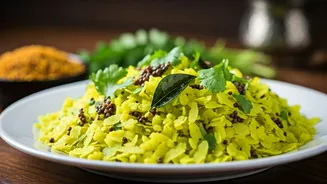
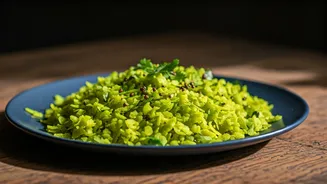
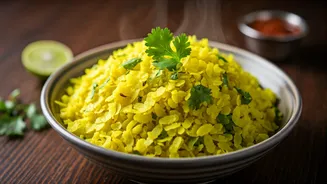
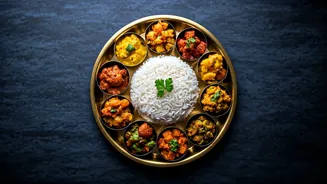
While a sweet mango might find its way into a dessert, the raw mango is a workhorse in the savory kitchen. Its acidity provides the perfect counterpoint to rich, heavy foods. In the south of India, you’ll find maangai sadam, a tangy rice dish where grated raw mango is sautéed with spices and mixed with rice, creating a meal that’s bright and satisfying. Lentil dishes, like dal, are given a summery makeover by simmering them with chunks of raw mango, which soften and infuse the stew with a subtle sourness that cuts through the earthiness of the legumes. It can be grated into salads for a crunchy, tart element or added to fish and shrimp curries, where its sharpness balances the richness of coconut milk and the spice of chiles.
The King of Pickles and Chutneys
Perhaps raw mango’s most enduring legacy is in the world of pickles (achaar) and chutneys. Its firm texture holds up beautifully to the pickling process, and its intense sourness is the perfect canvas for salt, oil, and a dizzying array of spices. Every family in India seems to have its own secret recipe for aam ka achaar (mango pickle). Jars are filled with chunks of raw mango, mustard oil, fenugreek, fennel seeds, and chili powder, then left in the sun to cure. The resulting condiment is a flavor bomb—a fiercely pungent, spicy, and sour pickle that can liven up a simple meal of rice and yogurt. Similarly, raw mango chutneys, whether cooked down into a sweet-and-sour jam or blended fresh with mint and cilantro, are a staple on the Indian table, offering a burst of flavor with every bite.