


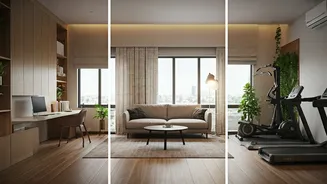
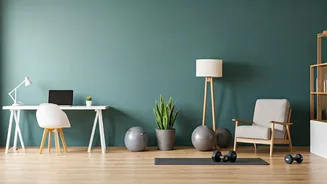
Carve Out Your Workspace
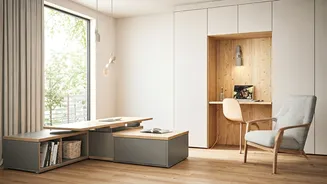
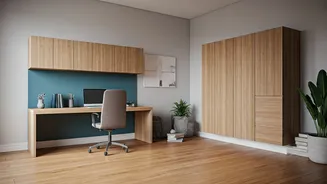
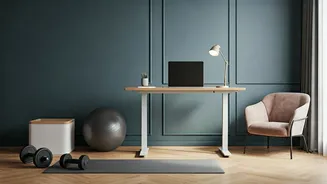
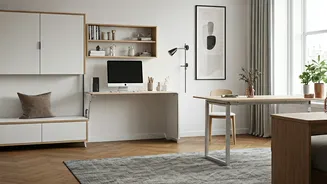
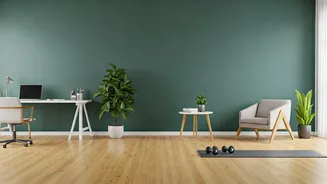
The first challenge in a multi-use room is creating a dedicated professional area that doesn't bleed into your personal life. The key is establishing clear boundaries, both physically and psychologically. If you have the space, a small, designated desk
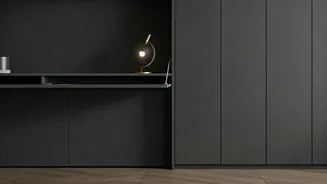
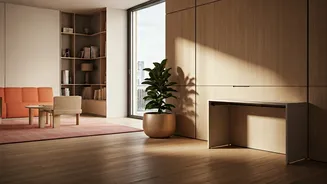
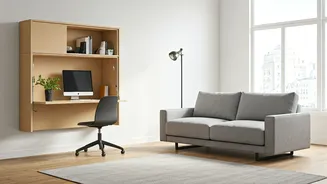
is ideal. Opt for one with clean lines and built-in storage to keep clutter at bay. If a full desk isn't feasible, consider a floating wall-mounted desk or a secretary-style desk that can be closed up at 5 p.m., literally shutting the door on your workday. Good lighting is non-negotiable; a dedicated task lamp separates your work zone from the room’s ambient light. Most importantly, have an end-of-day pack-up routine. Putting your laptop, notebooks, and pens into a designated drawer or basket signals to your brain that the workday is officially over, allowing the room to transition to its next purpose.
Designate a Chill Zone
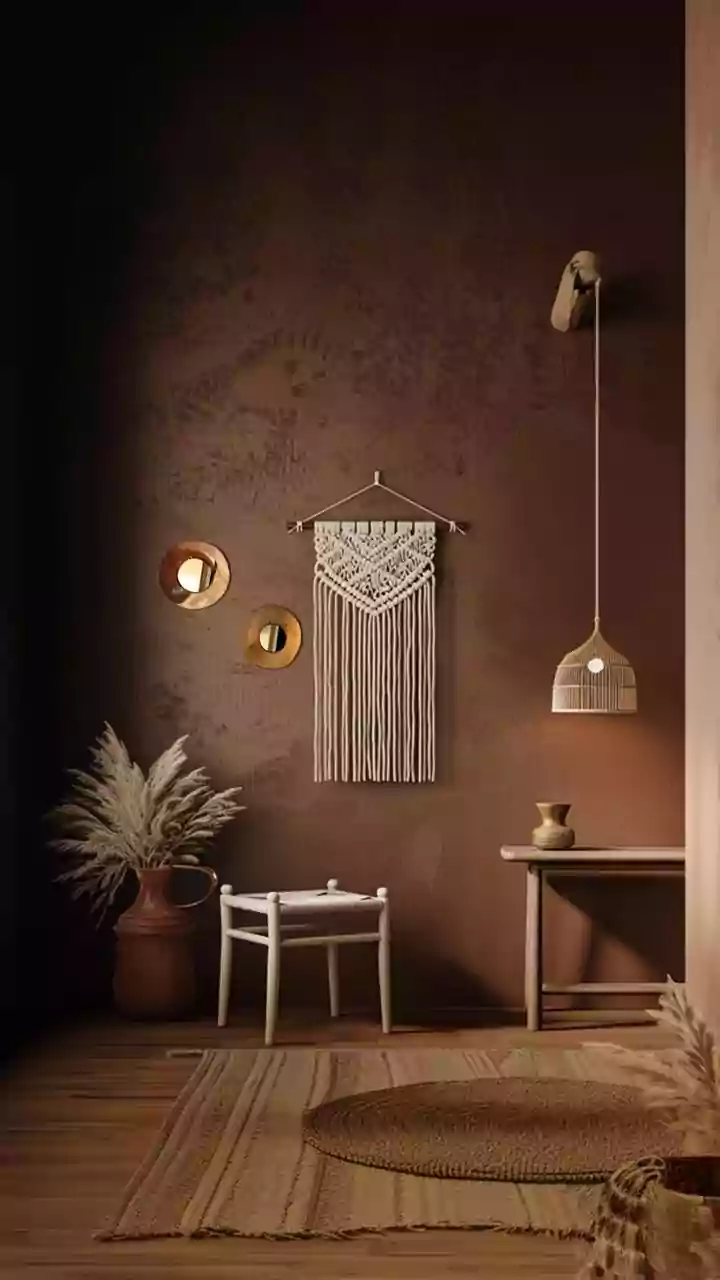
After a day of work and before a workout, you need a space to simply decompress. This “chill zone” doesn't require much physical space, but it demands a distinct atmosphere. A comfortable armchair, a plush floor cushion, or even a simple sheepskin throw on a bench can define the area. The magic is in the sensory details. Use a small, low-wattage lamp with a warm bulb for soft, ambient lighting. Keep a cozy blanket folded nearby. A small side table for a cup of tea and a book completes the scene. This area should be intentionally free of work materials and exercise equipment. Its sole purpose is relaxation, and by consistently using it for just that, you train your mind to associate that corner of the room with tranquility and rest.
Integrate Your Sweat Session
The home gym is often the messiest and most challenging element to incorporate. The goal is accessibility, not eyesore. Forget bulky, single-purpose machines. Instead, think lean and storable. A high-quality yoga mat, a set of resistance bands, and a pair of adjustable dumbbells can provide a full-body workout and be easily stored in an ottoman or a stylish woven basket. If you're a cardio enthusiast, look into foldable treadmills or under-desk walking pads that can be slid under a couch. For a more integrated solution, wall-mounted systems like workout mirrors or modular storage that includes pull-up bars can be both functional and aesthetically pleasing. The key is to choose equipment that can disappear when not in use, preserving the room’s primary function as a living space.
Master the Art of the Blend
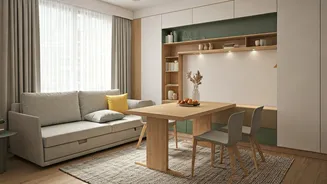
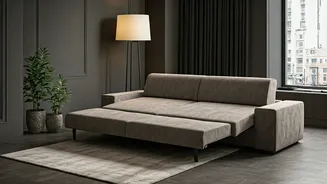
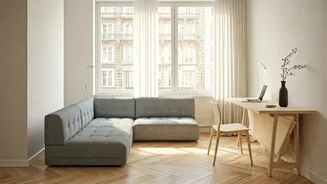
Making these three distinct zones coexist harmoniously is the ultimate design challenge. The secret lies in clever transitions and multi-functional pieces. Use area rugs to visually separate the “work” zone from the “chill” zone. Vertical space is your best friend; tall, narrow bookshelves can hold both work binders and decorative objects. Invest in convertible furniture: a coffee table that lifts to become a work surface, an ottoman with hidden storage for your weights, or even a modern Murphy bed with an integrated desk. Maintain a consistent color palette and style throughout the room to create a sense of cohesion, even if the functions are different. By choosing smart, flexible pieces and defining zones with intention, you're not just cramming three rooms into one; you're creating a single, highly efficient space that adapts to the rhythm of your day.