






A Modern Silk Road Journey
Something fascinating is happening in the world of travel. While Americans might picture Central Asia through a hazy filter of Soviet history and ancient trade routes, young Indians are seeing it as the ultimate affordable adventure. Tashkent’s international
airport is increasingly filled with groups of friends from Delhi, Mumbai, and Bangalore, ready to explore a country that offers a unique blend of familiarity and exoticism. This isn't your typical backpacking trip through Europe or a beach holiday in Southeast Asia. Instead, it’s a journey into the heart of the old Silk Road, a region intertwined with Indian history, but with a distinctly modern, post-Soviet twist. This surge in tourism represents a shift in travel priorities, where cultural depth, affordability, and Instagram-worthy scenery are creating a perfect storm of appeal.
History by Day, Party by Night
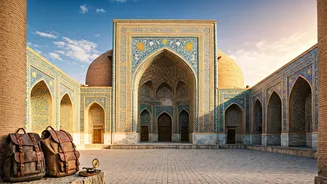
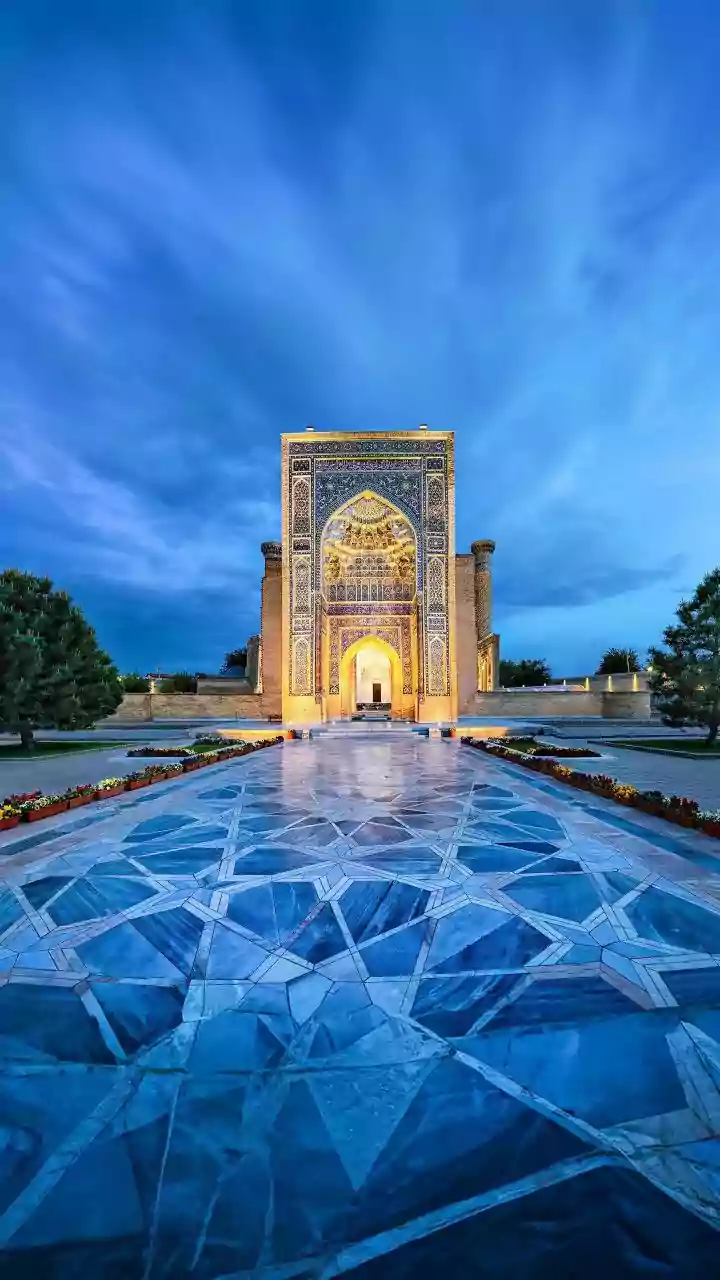
So, what's the big draw? For starters, Uzbekistan offers a compelling two-for-one deal. By day, travelers can immerse themselves in jaw-dropping historical sites. The country is home to three UNESCO World Heritage cities—Samarkand, Bukhara, and Khiva—filled with stunning turquoise-domed mosques, intricate mosaics, and towering minarets that look like they’ve been pulled from the pages of *One Thousand and One Nights*. The Registan Square in Samarkand, in particular, has become an iconic backdrop for travel photos. But when the sun goes down, especially in the capital city of Tashkent, a different energy takes over. The city boasts a surprisingly vibrant and affordable nightlife, with a wide array of bars, clubs, and restaurants that cater to a younger crowd. This mix allows travelers to feel like they’re soaking in ancient history while still enjoying the fun, social atmosphere of a modern city.
The All-Important Budget Factor
Let’s be honest: for many young travelers, cost is king. This is where Uzbekistan truly shines. Compared to European or even many Southeast Asian hotspots, Uzbekistan is remarkably budget-friendly. Direct flights from major Indian cities like Delhi to Tashkent are relatively short (around four hours) and often cheaper than flying to Western Europe. Once on the ground, the value proposition gets even better. The Uzbek som offers a favorable exchange rate, making everything from food and accommodation to transportation feel like a bargain. A lavish meal of plov (a hearty rice pilaf and the national dish) might cost just a few dollars. High-speed trains connecting the major tourist cities are efficient and inexpensive. This accessibility means travelers can experience a rich, international vacation without the financial strain often associated with going abroad.
A Surprising Cultural Connection
Beyond the beautiful sights and low prices, there's a deeper, more subtle reason for Uzbekistan's appeal to Indians: a shared history. The Mughal dynasty, which ruled India for over 300 years and built monuments like the Taj Mahal, traced its origins to present-day Uzbekistan. The founder, Babur, was born in Andijan, a city in Uzbekistan's Fergana Valley. This connection creates a sense of cultural resonance. The architecture in Samarkand and Bukhara feels like a cousin to the Mughal structures in Delhi and Agra. There are also linguistic overlaps, with many Persian and Turkic loanwords present in Hindi and Urdu. Even the cuisine, with its emphasis on rice pilafs, grilled meats, and savory pastries, feels both new and comfortingly familiar. For Indian travelers, visiting Uzbekistan can feel less like stepping into a completely alien culture and more like exploring a distant, long-lost branch of their own history.
The Visa That Opened the Floodgates
A final, crucial piece of the puzzle was logistics. For years, complex visa requirements were a major barrier for tourists. However, in a bid to boost its tourism industry, Uzbekistan streamlined its visa process. Indian passport holders can now easily obtain an e-visa online, a far cry from the cumbersome paperwork and embassy visits required for many Western countries. This simple policy change effectively rolled out the welcome mat, making a spontaneous trip to Uzbekistan not just possible, but easy. Travel agencies in India quickly capitalized on this, marketing all-inclusive packages that handle flights, hotels, and tours, further lowering the barrier to entry for first-time international travelers.