





The Soul of the 'Queen of the Hills'
Known as the 'Queen of the Hills,' Darjeeling offers far more than just its world-renowned 'Champagne of Teas.' For couples seeking an escape from the ordinary, it presents a world steeped in atmosphere. Perched in the Lesser Himalayas of West Bengal,
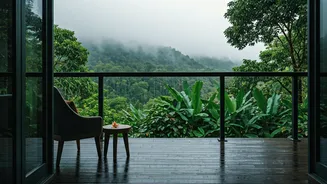
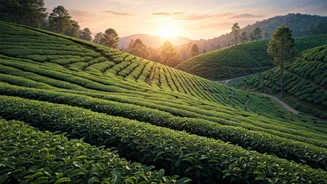
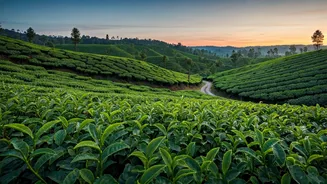
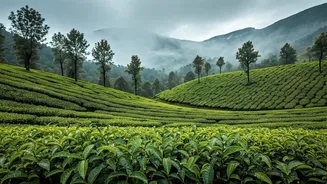
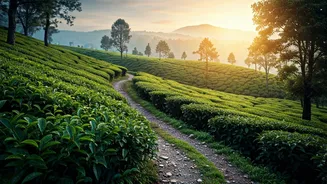
India, the region is a tapestry of rolling green hills, vibrant Buddhist monasteries, and the lingering elegance of the British Raj. But the true romance lies in the tea estates themselves—sprawling plantations that blanket the slopes, often disappearing into a thick, dreamlike mist. Walking these trails is like stepping into another era, where the rhythm of life is dictated by the seasons of the tea bush and the only sounds are the chirping of birds and the distant calls of workers in the fields. The air is crisp, clean, and carries the delicate fragrance of tea, creating an immersive sensory experience that feels both grounding and magical.
Choose Your Romantic Haven
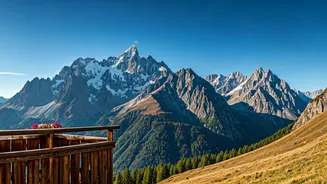
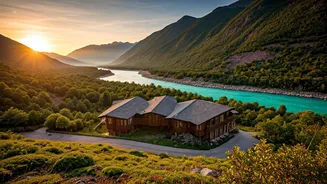
The key to unlocking Darjeeling's romantic potential lies in where you stay. While the town of Darjeeling itself is a bustling hub, the most intimate experiences are found within the tea estates. Several have transformed their historic managers' bungalows into luxurious, boutique accommodations. Properties like the Glenburn Tea Estate or the Makaibari Tea Estate offer guests the chance to live, breathe, and sleep amidst the tea gardens. These heritage bungalows are often adorned with antique furniture, cozy fireplaces, and verandas that open onto breathtaking views of the Kanchenjunga mountain range. Waking up in a four-poster bed, sipping freshly brewed tea from the surrounding gardens, and having no agenda other than a quiet walk is the essence of this getaway. For a more budget-conscious approach, you can stay in Darjeeling town and arrange for day trips and guided tours of nearby estates like Happy Valley Tea Estate, which is one of the oldest and most scenic in the region.
The Art of the Tea Trail Wander
The headline's promise is fulfilled on the winding trails that crisscross the plantations. These are not rugged, demanding hikes, but gentle paths that invite slow, hand-in-hand ambles. Many estates offer guided walks where a local expert can point out different types of tea plants, explain the cultivation process, and share stories of the estate's history. These walks often lead you past groups of tea pluckers, mostly women, who skillfully snap the 'two leaves and a bud' with lightning speed, their colorful saris a brilliant contrast against the endless green. This is a chance to witness a timeless craft up close. For a truly private moment, ask for a map and venture out on your own. Finding a secluded bench with a panoramic view of the valleys below, enveloped in the quiet serenity of the hills, is a memory that will anchor your romantic journey.
From Plucking to Pouring
A visit isn't complete without understanding the journey of the leaf. Most estates offer fascinating factory tours where you can see the withering, rolling, fermenting, drying, and sorting processes that turn fresh leaves into the world's most coveted tea. The scent inside a tea factory is intoxicating—a rich, complex aroma that changes from room to room. The tour typically culminates in a tea tasting session. This isn't your average cup of English breakfast. A professional tea taster will guide you through the art of slurping and identifying the subtle notes—muscatel, floral, fruity—that make Darjeeling tea so unique. Sharing this learning experience, discovering new flavors together, and finding a favorite brew to take home as a souvenir adds another layer of connection to the trip.
Timing Your Misty Escape
Darjeeling’s weather is a crucial part of its charm. The best times to visit for clear mountain views are from October to November, after the monsoon has washed the skies clean. The air is crisp, and the snow-capped Kanchenjunga is often on full display at sunrise and sunset. However, if you’re chasing the 'misty' romance, consider the spring months from March to May. This is when the first flush tea is harvested, the weather is pleasant, and the valleys are often filled with a gentle, rolling fog that creates a wonderfully mysterious and intimate atmosphere. The monsoon season, from June to September, is best avoided due to heavy rains and potential travel disruptions, though it does offer its own dramatic, verdant beauty for the most adventurous souls.