




Beyond the Mango Lassi
For most Americans, the introduction to Indian beverages begins and ends with a sweet, creamy mango lassi. Delicious as it is, it’s merely the gateway to a vast and sophisticated world of traditional drinks designed not just for taste, but for wellness.
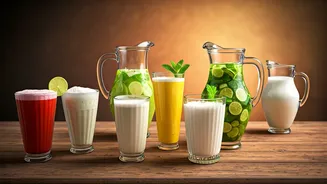
These aren't milkshakes or sodas; they are functional “coolers,” crafted over generations to combat scorching heat and aid digestion. Often savory, spiced, or tangy, they utilize a roster of ingredients like yogurt, raw fruit, herbs, and roasted spices to do much more than just quench a thirst. They represent a philosophy of eating and drinking in harmony with the seasons, a concept that’s now finding a global audience hungry for authenticity.
The Science of Staying Cool
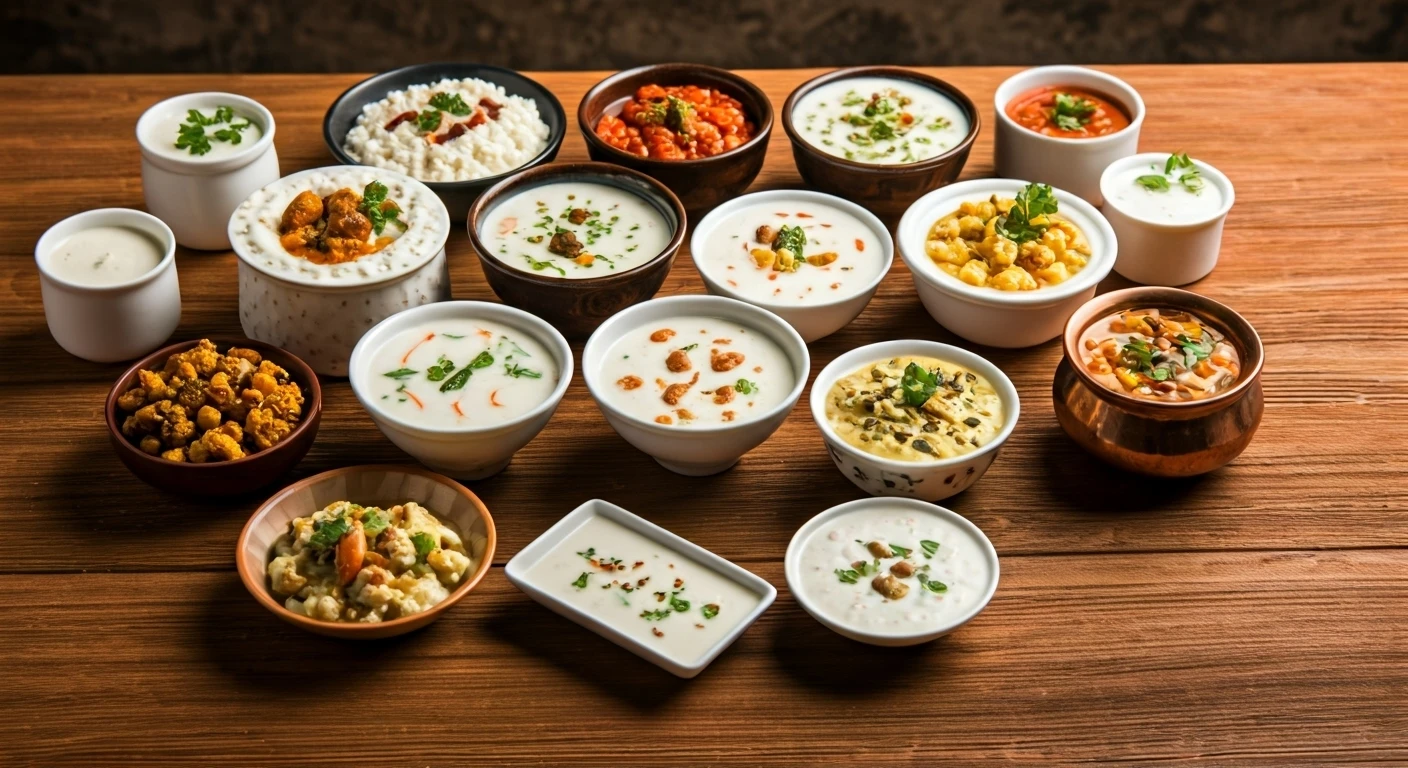
The logic behind these coolers is deeply embedded in Ayurveda, India’s traditional system of medicine. The goal is to balance the body's internal temperature, not just shock it with ice. Take *chaas*, or spiced buttermilk. It’s a probiotic-rich drink, far thinner than a lassi, and often seasoned with roasted cumin, cilantro, and black salt. The yogurt soothes the digestive system, while the spices are believed to have cooling properties. Similarly, *nimbu pani* (a cousin of lemonade) is elevated with a pinch of black salt and sometimes cumin, which helps replenish sodium and minerals lost through sweat. These aren't just old wives’ tales; they are time-tested recipes built on a nuanced understanding of how different ingredients affect the body in extreme heat, a stark contrast to the sugar bombs that dominate the Western beverage market.
A Technicolor Social Media Splash
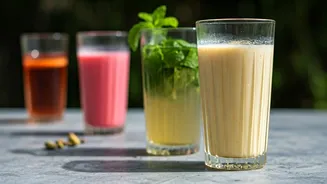
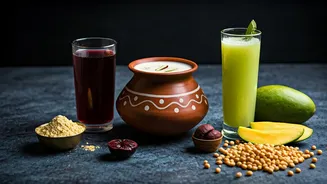
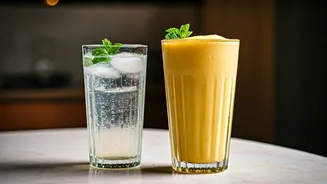
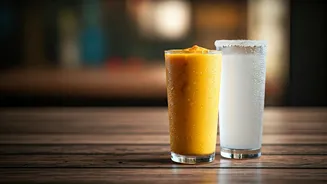
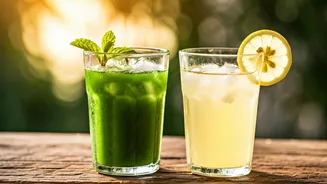
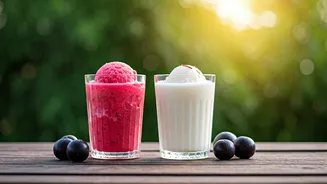
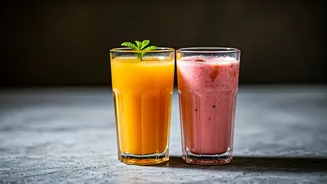
So why the sudden revival? Social media. In a world of beige wellness smoothies, the visual appeal of these drinks is undeniable. The shocking pink of *solkadhi*, the vibrant green of *aam panna*, and the milky white of a well-spiced *chaas* are made for the Instagram grid. Creators are showcasing these drinks in traditional earthenware pots (*matkas*) and brass glasses, tapping into a cottagecore-esque yearning for rustic, handmade aesthetics. TikTok and Reels are filled with mesmerizing short videos showing the process: roasting spices, grinding fresh mint, and the final, satisfying pour. It’s a sensory experience that translates beautifully to the screen, inviting viewers to appreciate not just the final product, but the art of its creation.
Spotlight: Aam Panna's Tangy Magic
Perhaps no drink better exemplifies this trend than *aam panna*. Made from boiled, raw green mangoes, it’s a stunningly complex and refreshing summer elixir. The raw mango pulp is blended with mint, cumin, black salt, and a touch of sugar or jaggery to create a concentrate. Served diluted with cold water, it’s the perfect balance of sweet, sour, and savory. Its distinctive flavor is a taste of the Indian summer, and its reputation as a preventative for heat stroke makes it a seasonal staple. Online, it’s celebrated for its unique taste and its connection to childhood memories for many in the South Asian diaspora, who are now proudly sharing this piece of their heritage with the world.
Spotlight: The Savory Comfort of Solkadhi
On the other end of the flavor spectrum is *solkadhi*, a coastal specialty from Maharashtra and Goa. This elegant, light-pink cooler is made from coconut milk and the dried fruit of the kokum tree, a souring agent unique to the region. It’s lightly seasoned with garlic, chili, and cilantro. Served as a palate cleanser or digestive aid, its tangy, slightly pungent flavor is an acquired taste that quickly becomes an obsession for many. Its unique color and savory profile make it a standout, challenging the Western notion that a “cooler” must be sweet. The revival of *solkadhi* highlights a growing appreciation for regional Indian cuisines and a willingness to embrace more complex and unfamiliar flavor profiles.