


The Rise of the Fur-st Class Customer
If it feels like dogs are suddenly everywhere, you’re not wrong. The pandemic-era surge in pet adoption permanently altered the American family structure, with nearly 70% of U.S. households now owning a pet. More importantly, the dynamic has shifted.
Today’s owners, particularly Millennials and Gen Z, don’t just have pets; they have 'fur babies.' They are 'pet parents,' and they're willing to spend accordingly. The American Pet Products Association reports that spending on our animal companions has rocketed past $136 billion annually. This isn’t just food and vet bills; it’s a lifestyle. Pet parents are looking for experiences they can share with their animals, and they’re making decisions about where to eat, travel, and stay based on who welcomes their entire family—paws and all.
Beyond the Patio Water Bowl
The local café putting out a water bowl is old news. The new standard is a full-on charm offensive. Starbucks quietly normalized the 'Puppuccino'—a free cup of whipped cream—turning a simple gesture into a viral marketing masterstroke. But independent cafés and restaurants are taking it further. We’re now seeing dedicated dog menus featuring items like 'bark-cuterie boards,' salmon-and-sweet-potato bowls, and non-alcoholic 'dog beer.' It’s about more than just sustenance; it’s about creating an experience. These establishments aren't just 'pet-tolerant'; they are 'pet-centric.' They are designing their patios to be comfortable for animals, hosting 'yappy hour' events, and training staff to interact positively with canine guests. The goal is to make the café a third space not just for the human, but for their best friend, ensuring loyalty that a simple cup of coffee never could.
The VIP (Very Important Pet) Treatment
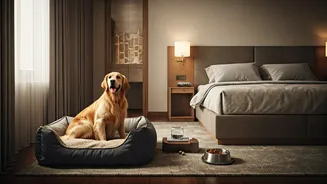
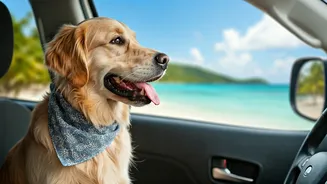
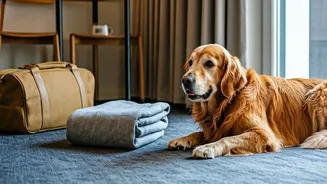
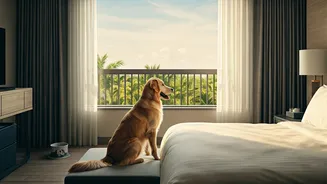
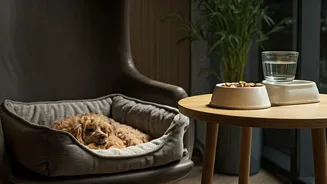
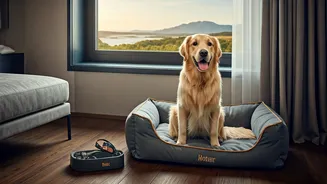
Nowhere is the 'wooing' more apparent than in the travel sector. Hotels, once the domain of strict 'no pets' policies, are now competing to be the most pet-friendly. Industry pioneers like Kimpton Hotels have been doing this for years, welcoming any pet that can fit through the door with no extra fees and offering amenities like plush beds, food bowls, and a concierge list of local pet-friendly parks and restaurants. Now, the rest of the industry is catching up and raising the stakes. Hilton’s 'Pets in the House' program, luxury brands offering pet massages, and vacation rentals boasting fenced-in yards as a primary feature are becoming common. It's a calculated move. By welcoming pets, hotels tap into a market of owners who would otherwise feel constrained, often inspiring longer stays and generating a goldmine of positive user-generated content on social media. A photo of a happy dog in a hotel robe is marketing you just can’t buy.
A Smart Strategy, Not Just a Sweet Gesture
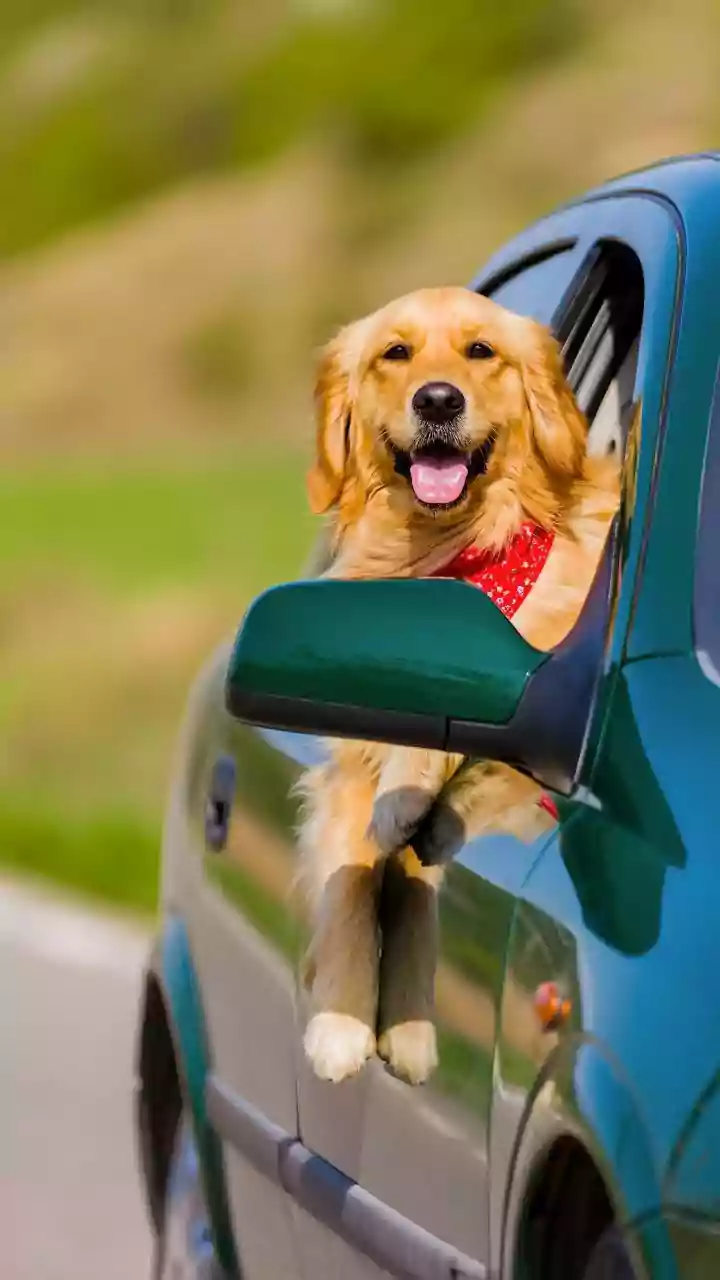
While the sight of a golden retriever lounging in a hotel lobby is heartwarming, this trend is driven by cold, hard business logic. Attracting pet parents is about more than just filling empty tables or rooms; it’s about capturing a uniquely loyal and vocal customer segment. Pet owners who have a good experience are highly likely to return and, more importantly, to evangelize. They leave glowing reviews, post pictures on Instagram, and recommend the establishment to their extensive network of fellow pet lovers. In a world of review-driven decisions, a 'dog-friendly' tag is a powerful differentiator. Furthermore, data shows that travelers with pets often stay longer and may be less price-sensitive, willing to pay a premium for the convenience and peace of mind of having their companion with them. These businesses aren't just being nice; they’re making a strategic investment in a demographic that pays dividends.