
The Allure of the Cart
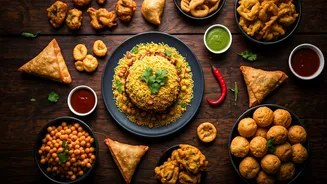
First, let’s define the ‘magic.’ Street food isn’t just about a quick, cheap meal. It’s an experience. It’s the sizzle of marinated meat hitting a hot griddle in a Mexico City market, the fragrant steam rising from a bowl of pho on a Hanoi sidewalk, or
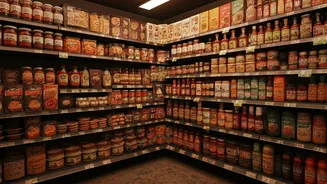
the complex spice of a samosa from a cart in Mumbai. This magic is a blend of authenticity, hyper-regional flavor, and a story often tied to a family or a specific place. For decades, the American supermarket aisle has been the antithesis of this: standardized, predictable, and engineered for mass appeal. But consumer tastes have changed dramatically, and food companies have taken notice. The bland is out; the bold is in.
From Food Truck to Food Aisle
So, why the sudden gold rush? The answer lies in a perfect storm of cultural and economic shifts. Younger shoppers, particularly Millennials and Gen Z, grew up with the Food Network, Anthony Bourdain, and an unprecedented exposure to global cultures via the internet. Their palates are more adventurous, and they actively seek out diverse flavors. Social media platforms like Instagram and TikTok have turned food into a visual spectacle, with viral videos of birria tacos or spicy noodles driving real-world demand. The pandemic also played a huge role. With restaurants closed, home cooks became more ambitious, looking for ways to replicate restaurant-quality, exciting meals in their own kitchens. This created a massive opening for products that could deliver high-impact flavor with minimal effort—the exact promise of a great street food sauce or starter.
Walking the Authenticity Tightrope
Capturing this magic for a mass market, however, is fraught with challenges. The biggest hurdle is authenticity. The very essence of street food is its un-processed, small-batch nature. How do you scale that without losing what makes it special? Consumers are savvy; they can spot a soulless corporate imitation from a mile away. A generic 'Asian-style' sauce with a stock photo on the label won’t cut it anymore. Brands that get it wrong risk being called out for cultural appropriation or simply being ignored as inauthentic. The product has to deliver on its promise of genuine flavor, and the branding must respect the culture it comes from. It's a delicate balance between accessibility and appropriation, and getting it wrong can be a costly marketing blunder.
Meet the New Pantry Stars
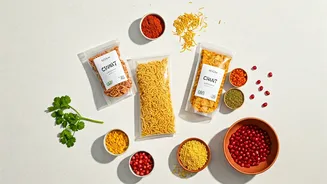
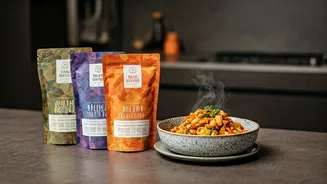
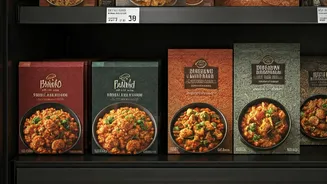
The brands succeeding in this space are often founder-led companies with deep personal connections to the food they’re selling. Companies like Omsom, started by Vietnamese-American sisters, offer “starters” for specific Southeast and East Asian dishes, collaborating with acclaimed chefs to nail the regional flavors. Fly By Jing’s Sichuan Chili Crisp, created by Jing Gao, went from a cult favorite to a pantry staple by refusing to dumb down its uniquely tingly and savory flavor profile for a perceived American palate. Similarly, Momofuku Goods has leveraged the restaurant’s sterling reputation to sell its iconic Chili Crunch and noodle kits. These brands aren't just selling a product; they're selling a story, a point of view, and a shortcut to a delicious, authentic meal. Seeing their success, larger CPG giants are now scrambling to either acquire these nimble upstarts or launch their own premium, regionally-specific lines to compete.