






Trading Hedonism for Hardship
For previous generations, a trip in your early twenties often meant finding the most fun for the least money. Think Cancún during spring break or a European hostel crawl fueled by cheap beer. While that style of travel isn't extinct, a powerful counter-trend
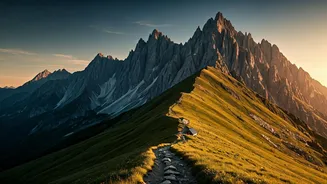
is emerging within Gen Z. Instead of prioritizing pure hedonism, many are seeking out journeys that are physically and mentally demanding. The appeal isn't relaxation in the traditional sense; it's growth through challenge. A high-altitude trek, whether it's to Machu Picchu in Peru or along the John Muir Trail in California, offers a clear objective and a tangible sense of accomplishment that a week on a sun lounger simply can't match. This turn toward 'Type 2 Fun'—activities that are miserable in the moment but rewarding in retrospect—speaks to a generation that values grit and personal narrative.
The Quest for Digital Disconnection
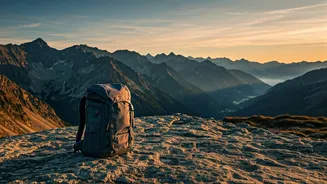
As the first digitally native generation, Gen Z is uniquely aware of the pitfalls of being constantly online. The endless scroll, the pressure of curated perfection, and the mental exhaustion of constant connectivity have created a deep-seated craving for genuine disconnection. High-altitude environments are one of the last frontiers where a lack of Wi-Fi or cell service isn't a bug, but a feature. On a multi-day trek in the Himalayas or the Andes, there is no choice but to be present. The focus shifts from notifications and DMs to the rhythm of your own breathing and the trail beneath your feet. This forced digital detox provides a rare opportunity for introspection and a reset from the noise of modern life. It’s an authentic experience in a world saturated with digital facsimiles.
Wellness Beyond the Yoga Mat
Gen Z has normalized conversations about mental health and integrated wellness into their daily lives. This perspective extends to how they travel. A vacation is no longer just an escape, but an active investment in mental and emotional well-being. A grueling climb up a mountain path becomes a form of moving meditation. The physical exertion helps quiet the mind, while the vast, silent landscapes provide a profound sense of perspective, shrinking everyday anxieties against a backdrop of geological time. The spiritual component of these journeys is less about organized religion and more about this personal sense of awe and connection. It’s about finding clarity and resilience not by relaxing, but by pushing your own limits and discovering what you're capable of.
A New Definition of 'Spiritual'
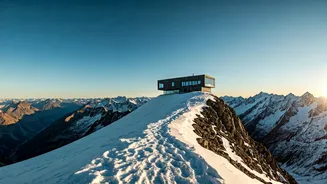
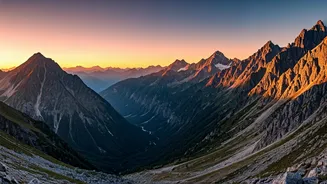
While Gen Z is statistically less affiliated with traditional religion than any generation before it, that doesn't mean they aren't seeking meaning. Their spirituality is often found in nature, personal reflection, and shared human experience. High-altitude locations are often steeped in their own history and spiritual significance—from the sacred peaks of Nepal to the ancient Incan trails. But the primary spiritual experience for many young travelers is the direct encounter with the sublime. Standing on a summit above the clouds, witnessing a sunrise over a vast mountain range, or feeling incredibly small in the face of nature’s grandeur provides a powerful, non-denominational sense of connection to something larger than oneself. This feeling of awe is a documented source of psychological well-being, and it’s at the heart of why these journeys feel so profound.
The Ultimate 'Authentic' Social Currency
Herein lies the paradox: even in the quest for disconnection, the journey itself becomes a powerful story to share online. But unlike a photo of a fancy cocktail, a picture from a remote mountain pass signals something deeper: adventure, resilience, and a rejection of the superficial. It's a form of social currency that aligns with Gen Z values. The story isn't just, 'I was here.' It's, 'I did this. I overcame this challenge.' Documenting the journey—before and after—becomes a narrative of personal transformation. It proves you’re someone who seeks out meaningful experiences, and in a world of curated digital identities, that authenticity is the ultimate flex.