





The Rise of the ‘Transformer’
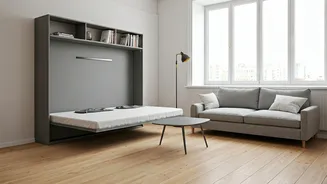
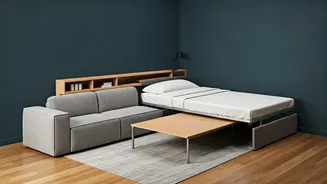
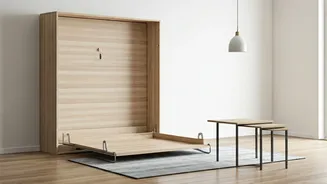
The single-use item is becoming a luxury of the past. Today’s most innovative furniture pieces are masters of disguise, designed to serve two, three, or even four functions. Think of the modern Murphy bed, which has shed its clunky, sitcom-gag reputation
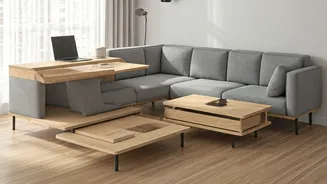
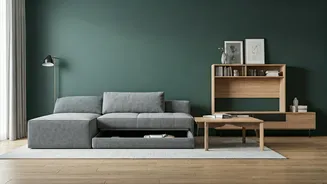
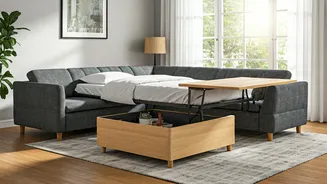
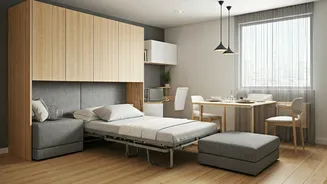
for sleek, integrated designs that feature a built-in sofa or desk when the bed is folded away. Companies like Ori Living have taken this to a robotic level, with entire walls of furniture that glide and transform a studio from a bedroom to a living room to a walk-in closet with the touch of a button. On a smaller scale, we see coffee tables that lift and expand into dining tables or workstations, and ottomans that hide cavernous storage compartments within. This “transformer” ethos isn’t just about saving space; it’s about making a small space feel dynamic and adaptable to different needs throughout the day.
Modularity Is the New Standard
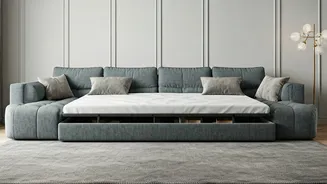
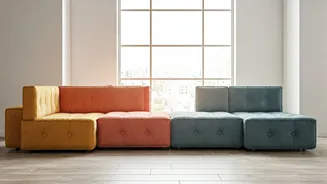
Why buy a massive sectional sofa that only fits in one room, in one configuration? The new philosophy is to invest in pieces that can adapt to your life, not the other way around. Modular furniture is the answer. Brands like Burrow, Floyd, and Campaign have built their businesses on this concept, offering sofas, shelving, and bed frames that arrive in easy-to-manage boxes and can be assembled, disassembled, and reconfigured with minimal fuss. Got a bigger apartment? Add a new section to your couch. Moving across the country? Your furniture can be broken down to fit in a car. This approach not only solves the immediate problem of fitting furniture through narrow doorways and stairwells, but it also promotes a more sustainable model of ownership. Instead of throwing away an old couch, you can simply add to it or change its layout.
Thinking Vertically and Visually
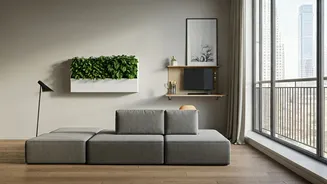
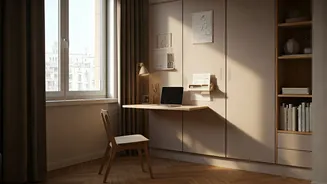
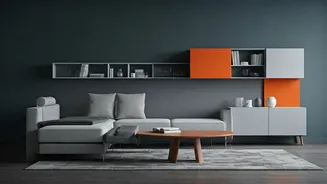
When you can't build out, you build up. Smart design for compact living makes masterful use of vertical space. This trend has moved far beyond basic bookshelves. We’re seeing an explosion of elegant, wall-mounted desks that fold away to nothing, minimalist floating shelves that create storage without eating up floor space, and ladder-style shelving that leans against the wall, offering a large storage footprint with a light, airy feel. This vertical approach is complemented by a visual one. Designers are increasingly using lighter colors, slender legs, and materials like glass and acrylic to create an illusion of spaciousness. A bulky, dark wood dresser can make a room feel cramped, but a low-profile credenza on slim metal legs appears to float, allowing light and air to move around it, making the entire room feel larger.
The Right-Sizing Revolution
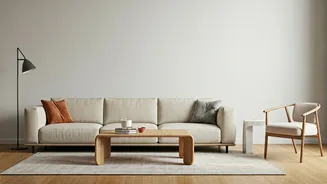
For decades, furniture was built on a “bigger is better” model. King-size beds, deep-seated sofas, and massive dining tables were aspirational. Now, there’s a quiet revolution in “right-sizing.” Companies are recognizing the market for “apartment-sized” sofas that don’t sacrifice style, dining tables designed for two or four instead of eight, and armchairs with slimmer profiles. This isn't just about shrinking everything; it's about re-evaluating proportions. A sofa with slightly narrower arms and a less deep seat can save precious square footage without compromising comfort. It’s a move away from the one-size-fits-all showroom model toward a more considered approach that acknowledges the diversity of American living spaces. It proves that good design isn’t about size, but about scale and suitability.