


More Than Just a Road
For a dedicated tribe of motorcyclists, overlanders, and intrepid travelers, the words “Manali-Leh Highway is open” are a starting gun for one of the planet’s great adventures. This isn't just a stretch of asphalt; it's a nearly 300-mile pilgrimage through
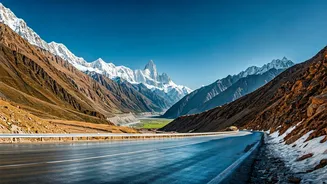
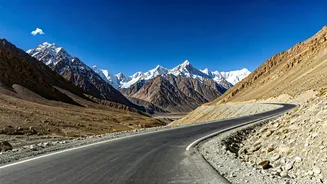
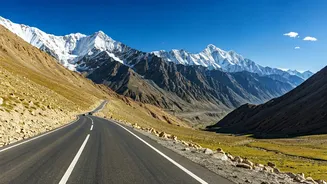
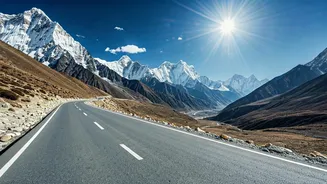
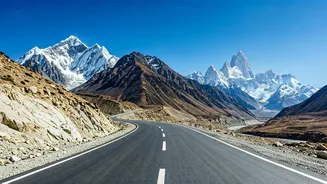
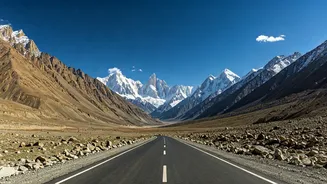
the Indian Himalayas, connecting the lush green valleys of Manali to the stark, high-altitude desert of Leh, the capital of Ladakh. Climbing over multiple mountain passes, some soaring above 17,000 feet, the highway is a rite of passage that offers a front-row seat to some of the most dramatic and desolate landscapes on Earth. Open for only a few months a year, typically from late May or early June until October, its accessibility is a celebrated annual event, unlocking a region that feels wonderfully remote and untouched.
The Herculean Task of Opening the Way
The opening of this highway is not a simple matter of flipping a sign from “Closed” to “Open.” It’s a monumental feat of engineering and human endurance. Every winter, heavy snowfall buries the route under dozens of feet of snow, particularly at high passes like the formidable Rohtang Pass and Baralacha La. Come spring, the Border Roads Organisation (BRO), a division of the Indian Army, begins a perilous, months-long operation. Using massive snow-clearing equipment, teams battle freezing temperatures, low oxygen, and the constant threat of avalanches to carve a path through literal walls of snow and ice. Their work not only enables tourism but also reconnects vital supply lines for the communities and military outposts in the remote Ladakh region.
A Journey Through Shifting Landscapes
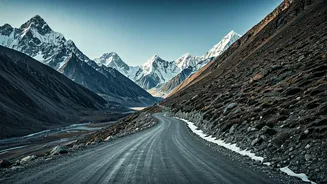
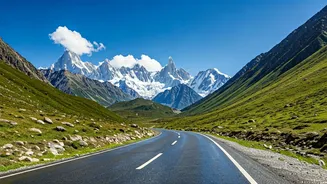
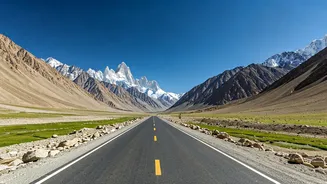
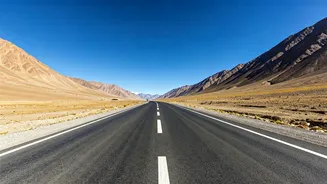
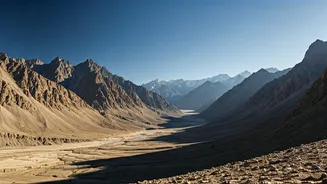
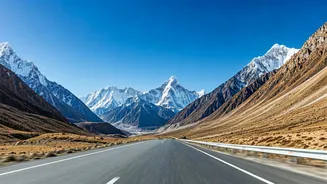
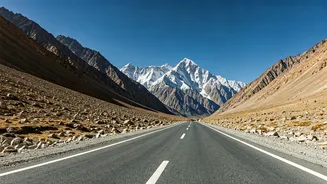
To travel the Manali-Leh Highway is to watch the world change before your eyes. The journey, which typically takes at least two days with an overnight stop to acclimatize to the altitude, begins in the verdant, pine-covered hills around Manali. As the road snakes upward, the greenery gives way to the barren, windswept slopes of the high passes. The landscape transforms into a jaw-dropping canvas of brown, gray, and ochre mountains set against impossibly blue skies. You’ll pass through the Gata Loops, a series of 21 hairpin bends that climb a single mountain face, and across the Morey Plains, a stunningly flat plateau at 15,000 feet that feels like another planet. Along the way, colorful Buddhist prayer flags flutter in the wind, and tiny roadside cafes offer steaming cups of chai to weary travelers, providing small moments of warmth in the vast emptiness.
The Reward: A Perfect Summer in Leh
After the rugged journey, arriving in Leh feels like finding an oasis. The “perfect summer weather” mentioned in the headline is no exaggeration. While the rest of India often swelters in monsoonal heat, Ladakh experiences a dry, pleasant summer. Daytime temperatures hover in the comfortable 60s and 70s Fahrenheit, under clear, sunny skies that illuminate the surrounding snow-capped peaks. This is the season when Leh comes alive. The town's markets bustle with activity, selling everything from local apricots to intricate Tibetan handicrafts. Ancient Buddhist monasteries perched on hilltops, like Thiksey and Hemis, welcome visitors. The atmosphere is serene and deeply spiritual, offering a profound sense of peace and a perfect base for further exploration into the Nubra Valley or the ethereal Pangong Lake.