
First, A Sensory Reset Button
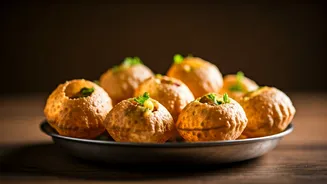
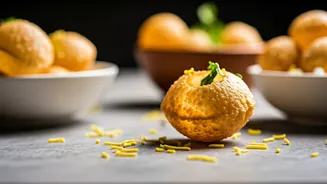
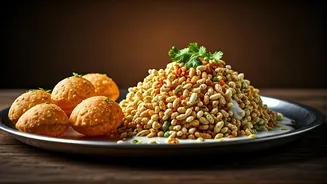
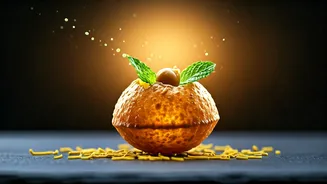
To the uninitiated, pani puri (also known as golgappa, puchka, or a dozen other regional names) is a simple construct: a small, hollow, crispy sphere made of semolina or wheat flour. It’s punctured and filled with a mixture of potatoes, chickpeas, onions,
and spices. Then, it's dunked into a tangy, spicy, herby, and ice-cold water (the *pani*) and served, one at a time, to be devoured in a single bite. The experience is a controlled explosion. The crunch of the puri shell gives way to a deluge of cold, spicy water and a savory, soft filling. It’s a riot of opposing temperatures and textures. There’s no room for multitasking or doomscrolling; the only thing your brain can process is the symphony of flavor in your mouth. In a world of constant distraction, this forced mindfulness is its own kind of therapy. It’s a five-second session that yanks you out of your overthinking brain and plants you firmly in the present moment.
The Communal Couch
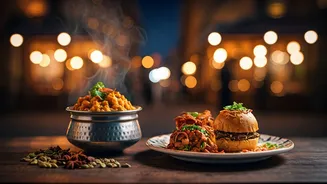
Unlike a quiet session in a therapist’s office, pani puri is an inherently social affair. You don’t order a plate to-go and eat it in your car. You stand, often huddled with friends or strangers, around a vendor’s cart. The *chaatwala* becomes a maestro, assembling each puri with lightning speed and personalizing it to your taste—more spice, less sweet, extra onion. A subtle, friendly competition emerges. “Bhaiya, thoda aur teekha!” (Brother, a little more spicy!). You count how many you’ve had, trying to keep pace with your friends. This shared ritual builds an immediate, unspoken camaraderie. It’s a space where you can complain about your day, celebrate a small win, or just stand in comfortable silence, united by the singular goal of getting the next perfectly crafted puri into your mouth before it disintegrates. It’s group therapy, but faster, cheaper, and infinitely more delicious.
A Prescription for Nostalgia
For many in the vast Indian diaspora, pani puri isn’t just food; it’s a time machine. It’s the taste of after-school snacks, monsoon evenings, and bustling market streets. Each bite can transport someone who grew up with it back to a specific time and place—a connection to childhood, family, and home that becomes more potent the farther away you are. This isn’t just wistful thinking; it's a powerful form of emotional self-soothing. When you’re feeling disconnected or homesick, the familiar burst of tamarind, mint, and cumin can be a profound anchor. It's a culinary hug, a reminder of who you are and where you come from. It reaffirms identity in a way that few other experiences can. Finding a good pani puri spot in a new city isn’t just about finding a snack; it’s about finding a piece of home.
The Five-Minute Fix
Perhaps the most compelling part of the pani puri “therapeutic” model is its accessibility. It’s a quick fix for a spectrum of everyday ailments: boredom, a slight dip in mood, a craving for something exciting, or the need for a small, affordable celebration. You don’t need an appointment, and there’s no co-pay. For the price of a coffee, you can have a full-sensory, mood-altering experience in under ten minutes. This immediacy is powerful. While real therapy addresses deep-seated issues over time, pani puri tackles the fleeting, surface-level blues with shocking efficiency. It’s the perfect antidote to a bad day at the office or a moment of existential ennui. It doesn’t solve your problems, but it provides a delightful, spicy, and crunchy distraction that makes them feel, at least for a little while, much more manageable.