





The Slow Feeder: For the Enthusiastic Eater
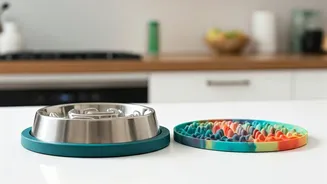
If your dog or cat inhales their food in seconds, the slow feeder is your new best friend. These bowls feature built-in obstacles—mazes, ridges, and spirals—that force your pet to navigate around them to get to their food. This isn't about being mean;
it's about being safe. Eating too quickly can lead to serious health issues, including gagging, vomiting, and even life-threatening bloat (gastric dilatation-volvulus), particularly in deep-chested dog breeds. By turning mealtime into a bit of a challenge, a slow feeder encourages a more natural, deliberate pace of eating. This not only aids digestion but also provides a small dose of mental engagement. Instead of a 30-second feeding frenzy, your pet gets five to ten minutes of focused work, leaving them more satisfied and less likely to immediately beg for more. They are widely available in plastic, ceramic, and stainless steel to suit any preference.
The Puzzle Feeder: For the Bored Brain
Modern pets, especially those left alone for hours, can suffer from boredom and a lack of mental stimulation. A puzzle feeder directly addresses this by making your pet work for their meal. These devices range from simple balls that dispense kibble when rolled to complex, multi-layered contraptions with slides, switches, and hidden compartments. The goal is to tap into your pet's natural foraging and problem-solving instincts.
For dogs, this mimics the 'work' of hunting for food. For cats, it satisfies their instinct to stalk and pounce. Using a puzzle feeder can help reduce anxiety-driven behaviors like destructive chewing or excessive vocalizing. It’s a productive outlet for mental energy that transforms a passive activity into an enriching game. Vets and animal behaviorists often recommend them as a key tool for keeping a pet's mind sharp and engaged, especially for highly intelligent breeds.
The Lick Mat: For the Anxious Animal
One of the simplest yet most effective innovations is the lick mat. Typically a flat silicone mat with a textured surface, it's designed to be smeared with a spreadable treat like peanut butter (xylitol-free, of course), plain yogurt, or canned pet food. The act of repetitive licking has been shown to be calming for both dogs and cats, releasing soothing endorphins that can reduce anxiety.
Lick mats are incredibly versatile. They can be a welcome distraction during stressful events like thunderstorms, fireworks, or grooming sessions (nail trims just got easier!). Freezing a prepared lick mat can make the treat last even longer, providing a perfect cooling activity on a hot day. It’s a low-calorie way to provide a high-value reward that engages your pet's senses and provides a powerful self-soothing mechanism.
The Raised or Tilted Bowl: For Ergonomic Comfort
While not strictly an 'activity' bowl, the elevated or tilted feeder serves a critical purpose for many pets. For senior animals with arthritis, bending down to eat from a floor-level bowl can be painful and strenuous. Raising the bowl to a more comfortable height can alleviate neck and joint strain, making mealtime a more pleasant experience.
Certain breeds also benefit. Taller dogs, like Great Danes or Greyhounds, may find an elevated position more natural. Likewise, brachycephalic (flat-faced) breeds such as Pugs, French Bulldogs, and Persian cats can have an easier time eating from a tilted bowl. The angle helps prevent them from pushing food around and can improve their posture, potentially reducing the amount of air they swallow and aiding in better digestion. It's a simple adjustment that prioritizes your pet's long-term physical comfort.