


The Pet-Safe Solution You Need
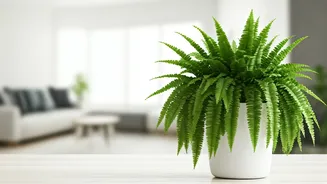
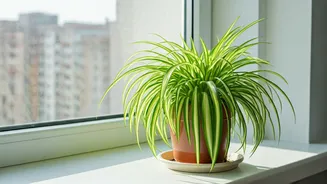
Enter the spider plant (Chlorophytum comosum), the undisputed champion for pet-loving urbanites. According to the American Society for the Prevention of Cruelty to Animals (ASPCA), spider plants are officially non-toxic to both cats and dogs. This designation
provides enormous peace of mind. While many popular houseplants like lilies, philodendrons, and snake plants can cause everything from mild irritation to severe organ damage if ingested by a curious pet, the spider plant poses no such threat. This allows you to fill your space with cascading green foliage without the constant anxiety of monitoring your four-legged friend’s every move. It’s the rare houseplant that truly offers beauty without the risk, making it an ideal starting point for any pet owner looking to cultivate an indoor garden.
More Than Just Safe
The spider plant’s appeal extends far beyond its non-toxic status. It’s a famously resilient and low-maintenance plant, perfect for the often-unpredictable conditions of apartment living. They tolerate a wide range of light levels, from a bright, sunny window to a shadier corner of the living room. Forget to water it for a week? The spider plant will likely forgive you. This hardiness makes it a fantastic choice for beginner plant parents who are still developing their green thumb. Furthermore, like many houseplants, they are known for their air-purifying qualities, helping to filter common indoor pollutants. And aesthetically, their arching leaves and ability to produce tiny “spiderettes” that can be propagated into new plants offer a dynamic, ever-growing display.
Simple Care for City Living
Thriving in an urban flat is what spider plants do best. They prefer bright, indirect light but are remarkably adaptable to lower-light situations, a common feature in apartments with limited window space. For watering, a simple rule of thumb is to let the top inch or two of soil dry out completely between sessions. Overwatering is a more common pitfall than underwatering. They are not heavy feeders; a dose of standard all-purpose houseplant fertilizer once or twice during the spring and summer growing season is plenty. Spider plants also enjoy being slightly root-bound, so you don’t need to rush to repot them. Their forgiving nature means you can enjoy the lush greenery without a demanding care schedule, freeing up more time for what really matters—like cuddling with your pet.
What If My Pet Chews On It?
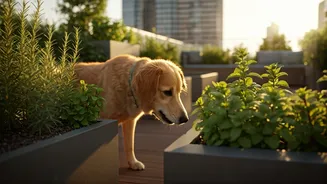
Even though spider plants are non-toxic, you might still see your pet, particularly your cat, taking a special interest in nibbling the leaves. This is because the plant contains compounds that can have a mild, harmless hallucinogenic effect on felines, somewhat similar to catnip. This is why some cats seem actively drawn to them. While this effect isn't dangerous, it’s wise to discourage your pet from eating large quantities of any plant, as it can potentially lead to mild gastrointestinal upset like vomiting or diarrhea. To minimize munching, you can place the plant in a hanging basket, high on a shelf, or use a pet-safe deterrent spray on the leaves. This way, both plant and pet can coexist peacefully.