


Beyond the Yogurt Aisle
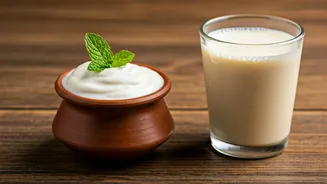
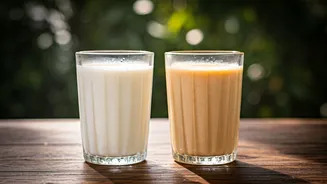
When Americans think of Indian probiotics, their minds usually go straight to lassi, the beloved yogurt-based drink. And while dahi (yogurt) is a cornerstone of Indian cuisine and a fantastic source of beneficial bacteria, it’s only the beginning of the story.
The Indian subcontinent has a rich, diverse, and deeply practical tradition of fermentation that extends far beyond dairy. These methods weren't developed for a wellness trend; they were born from necessity—a way to preserve food, enhance flavor, and unlock nutrients long before the word 'probiotic' ever entered our vocabulary. This is food as functional medicine, woven seamlessly into the fabric of daily meals, not as an expensive, isolated supplement.
The Magic of Fermented Batters
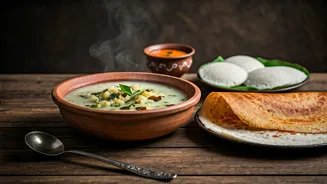
Perhaps the most iconic examples of everyday probiotic power are idli and dosa. These South Indian staples are made from a simple batter of ground rice and lentils, which is then left to ferment for 8 to 12 hours. This natural fermentation process does two wonderful things. First, it populates the batter with legions of lactic acid bacteria, the same kind of 'good bugs' found in high-end probiotic products. Second, the fermentation breaks down the starches and anti-nutrients in the grains, making the vitamins and minerals more bioavailable and the final product much easier to digest. The result is a light, airy, steamed cake (idli) or a crisp, savory crepe (dosa) that is not only delicious but also incredibly kind to your digestive system. It's a breakfast food that actively works for your gut health.
Kanji: The Seasonal Gut-Booster
Move over, kombucha. Meet kanji, a traditional North Indian fermented drink that’s as simple as it is effective. Typically made in the winter using dark purple or red carrots, kanji is a tangy, slightly pungent beverage prepared by submerging carrots, beetroot, and spices like mustard seeds in water and letting it ferment in the sun for several days. The process creates a lacto-fermented brine teeming with probiotics. Unlike many commercial fermented drinks that can be loaded with sugar, traditional kanji is a savory, low-calorie tonic enjoyed for its digestive properties. It’s a perfect example of using seasonal produce to create a health-promoting drink at home with minimal fuss and maximum benefit.
Real Pickles, Real Benefits
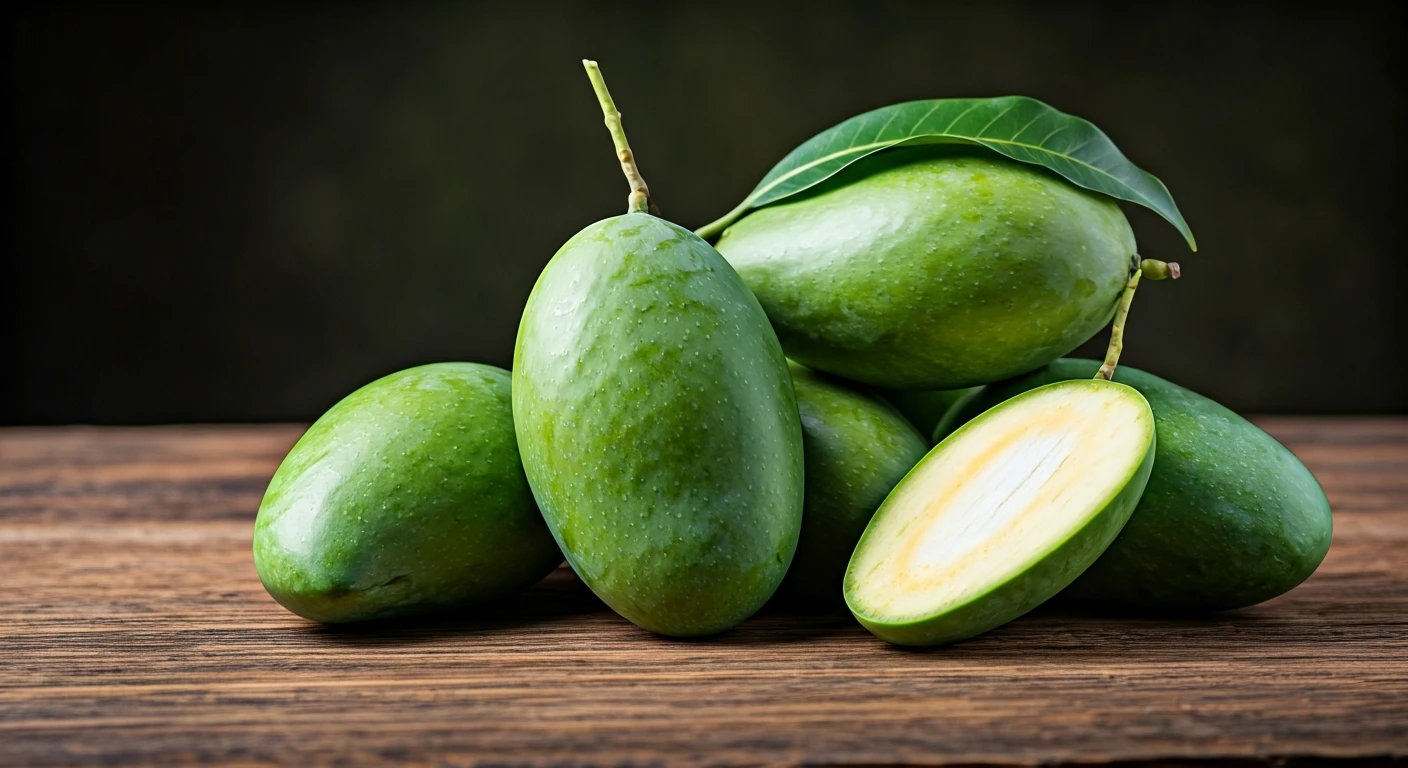
The pickles you find in most American supermarkets, preserved in vinegar, are delicious but devoid of live cultures. Traditional Indian pickles, known as achar, are a different beast entirely. Many are made through lacto-fermentation, where vegetables or fruits (like mango, lime, or chili) are mixed with salt and spices and allowed to ferment over time. The salt draws out water, creating a brine where beneficial bacteria can thrive, acting as a natural preservative. These pickles aren’t just a fiery condiment to spice up a meal; they are a concentrated dose of probiotics and enzymes that aid digestion. A small spoonful with your rice and lentils can introduce a host of diverse, beneficial microbes to your system, enhancing the gut-friendly power of the entire meal.
The Humble Power of Dhokla
Another star from the world of fermented batters is dhokla, a spongy, savory cake from the state of Gujarat. Made from a fermented batter of gram flour (chickpea flour) or a mix of rice and lentils, dhokla is steamed, not fried, making it a light and healthy snack. Like idli, the fermentation process enriches the batter with probiotics and increases its nutritional value. The final cake is often tempered with mustard seeds and curry leaves and garnished with fresh cilantro. It’s a testament to the ingenuity of traditional cooking—transforming simple pantry staples into a sophisticated, flavorful, and gut-healthy dish that feels like a treat, not a health food chore.