







More Than Just Muscle
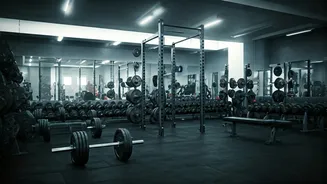
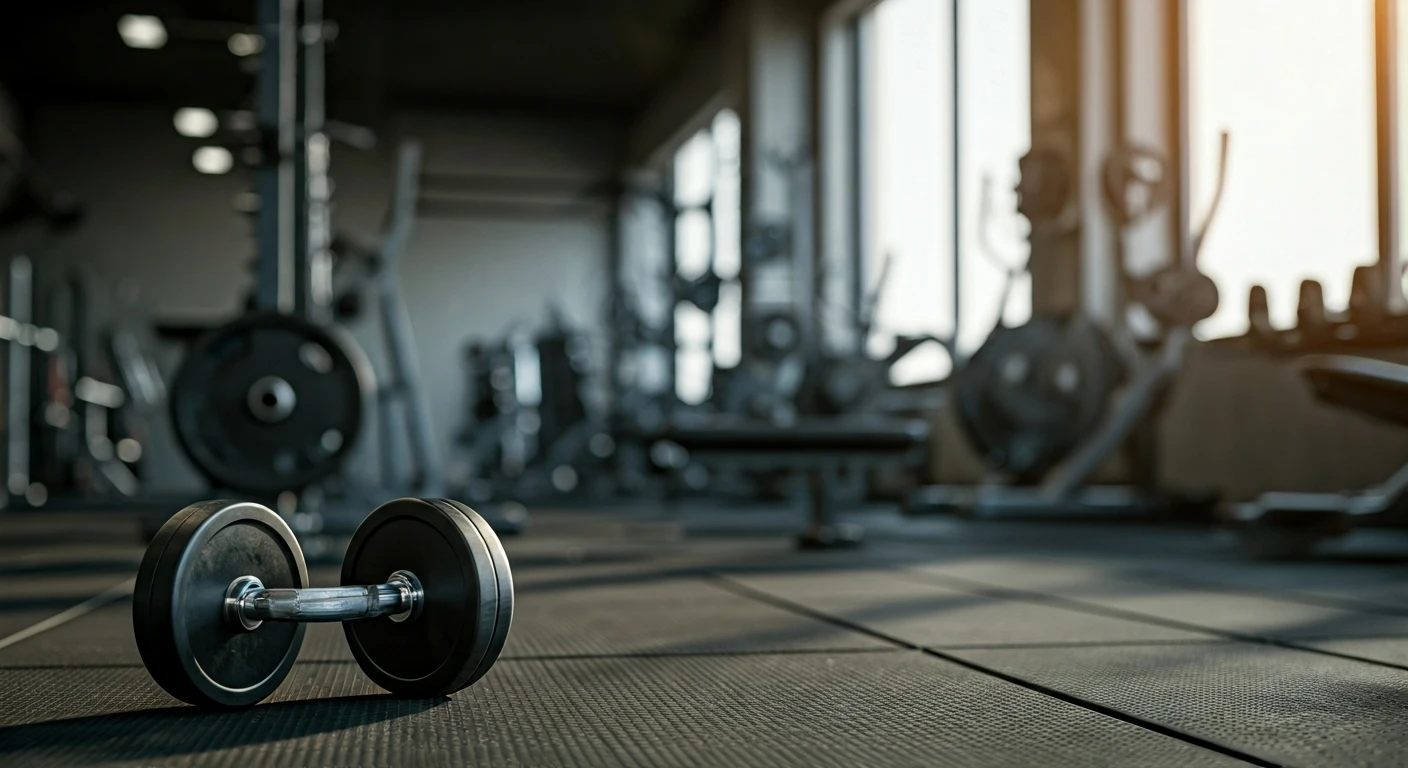
For decades, the weight room was often stereotyped as the exclusive domain of bodybuilders and elite athletes—a place driven by hyper-masculinity and the singular goal of getting bigger. But walk into many gyms today, and you’ll see a different picture.
Young adults, a significant portion of them women, are confidently racking weights, perfecting their deadlifts, and spotting each other with a sense of community. This isn't a fleeting fad; it's a fundamental shift in how an entire generation approaches physical and mental wellness. Gen Z is trading the pressure of cardio-centric thinness for the empowerment of functional strength, and in doing so, they are making the weight room one of the most inclusive spaces in the fitness world.
The TikTok Training Partner
A huge driver of this boom is social media, but not in the way you might think. While previous fitness trends were fueled by polished, aspirational images on Instagram, Gen Z’s strength movement lives on TikTok. Here, the content is less about a perfect, unattainable physique and more about process, education, and vulnerability. Fitness creators share step-by-step guides on proper form, debunk common myths, and post “day in the life” videos that include struggles and triumphs. This peer-to-peer style of guidance demystifies the gym. Instead of feeling intimidated by complex machines or free weights, a newcomer can watch dozens of short, accessible videos on their phone, learning the difference between a Romanian deadlift and a conventional one before ever stepping foot inside.
Lifting for a Clearer Mind
Perhaps the most significant difference in this new wave of strength training is the motivation behind it. While aesthetic goals certainly haven't vanished, they are often secondary to the mental health benefits. For a generation reporting high levels of anxiety and stress, lifting offers a tangible sense of control and accomplishment. The focus required for a heavy lift provides a form of mindfulness, forcing you into the present moment. The progressive nature of getting stronger—adding another five pounds to the bar, completing an extra rep—delivers consistent, measurable wins that build confidence far beyond the gym walls. It’s a powerful antidote to the digital world’s endless, often discouraging, feedback loops. The goal isn't just to look strong; it's to *feel* strong, resilient, and capable of handling life's challenges.
A New Definition of 'Healthy'
This trend also reflects Gen Z’s broader rejection of restrictive diet culture and narrow body ideals. The focus has moved away from a number on a scale and toward what the body can *do*. Strength training aligns perfectly with the principles of body neutrality, which emphasizes appreciating your body for its function rather than its appearance. Being able to carry all your groceries in one trip, lift a heavy suitcase into an overhead bin, or simply move through the day without pain becomes the new benchmark for health. This functional approach is more sustainable and less psychologically taxing than the endless pursuit of thinness that defined previous eras. It reframes exercise as a form of self-care and empowerment, not punishment for what you ate.