
More Than Just Canned Beans
Let’s get one thing straight: pantry cooking isn’t about grimly surviving on saltines and tuna until payday. Instead, think of it as a mindset shift. Rather than starting with a recipe and buying a dozen specific ingredients, you start with what you already
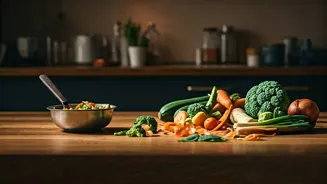
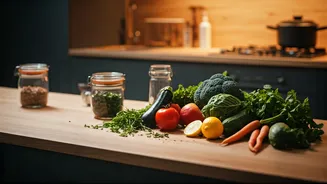
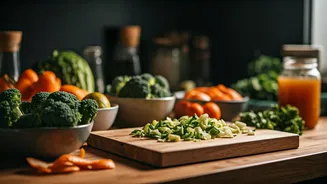
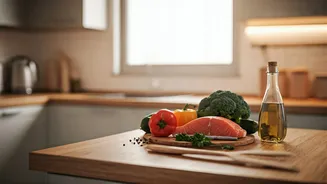
have. It’s a flexible, creative approach that builds meals around a foundation of shelf-stable staples, long-lasting produce, and freezer assets. At its core, it’s about becoming the master of your own kitchen inventory. You learn to “shop” your pantry, fridge, and freezer first. That half-used bag of lentils, the lonely can of coconut milk, and the wilting herbs in the crisper drawer aren't problems to be solved; they’re the building blocks of your next delicious meal. It transforms cooking from a rigid, recipe-driven chore into an improvisational, resourceful skill.
The Common-Sense Revival
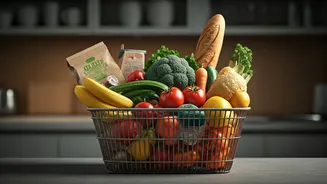
So why is this age-old practice suddenly a “trend”? A few key factors are at play. First, the economic pressure of rising food costs has Americans looking for practical ways to stretch their budgets. When you use what you own, you buy less, and you save more. It’s simple math. Second, there’s a growing cultural awareness around food waste. Studies show the average American family throws away hundreds of pounds of food each year, squandering both money and resources. Pantry cooking is a direct and effective counter-strategy. Finally, there’s the issue of decision fatigue. The endless scroll of picture-perfect, complex recipes can be exhausting. Pantry cooking offers a simpler, less stressful path to a home-cooked meal, empowering you to make something good *right now* instead of planning an elaborate shopping trip.
How to Build a Power Pantry
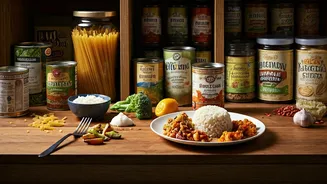
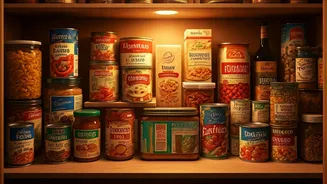
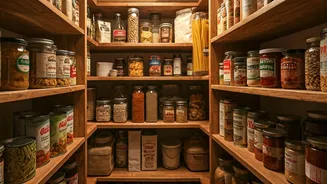
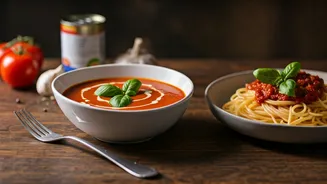
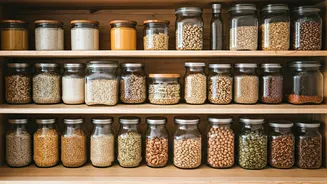
A well-stocked pantry is your greatest ally. It’s not about having everything, but having the right things. Focus on versatile workhorses in these key categories: * **Grains & Legumes:** Rice, pasta, oats, quinoa, and dried or canned beans (lentils, chickpeas, black beans) form the hearty base of countless meals. * **Canned Goods:** Diced tomatoes are a non-negotiable starting point for sauces, soups, and stews. Canned fish (tuna, salmon, sardines) offers a quick protein boost. Canned coconut milk adds richness and flavor. * **Oils & Vinegars:** A neutral cooking oil, a good olive oil for finishing, and at least one type of vinegar (apple cider, red wine, or balsamic) give you the tools for cooking and creating dressings. * **Flavor Bombs:** This is where the magic happens. Onions, garlic, soy sauce, tomato paste, dried herbs, spices, chicken or vegetable broth, and a jar of mustard or hot sauce can transform bland basics into a flavorful feast.
Mastering the Pantry-First Mindset
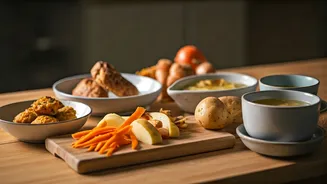
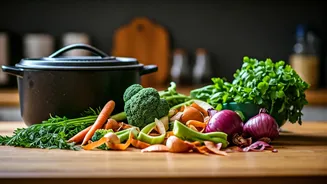
Stocking the shelves is only half the battle; the real change is in your habits. The first rule is to always shop your kitchen before you go to the store. Take a quick inventory. What needs to be used up? Let that guide your meal plan for the next few days. Next, embrace the art of substitution. A recipe calls for cannellini beans but you only have chickpeas? Go for it. No fresh parsley? Use a pinch of dried oregano or the cilantro that’s about to wilt. Learning that most recipes are flexible templates, not strict formulas, is incredibly liberating. Finally, master a few “template recipes.” These are dishes that can accommodate a wide range of ingredients. Think frittatas (any veggies, cheese, or leftover meat), grain bowls (any grain + any protein + any vegetable + a simple dressing), or a “clean-out-the-fridge” soup. Once you have these templates in your back pocket, you can create a meal from almost anything.