


1. Start with Swaps and Cuttings
The fastest way to bust a plant budget is buying mature, full-sized specimens from a trendy nursery. Instead, think smaller and more social. Many communities have plant swap groups on social media where you can trade a plant you have for something new,
for free. Another wallet-friendly method is propagation. Ask a friend for a cutting—a small piece of a stem or leaf—from an established plant. Many popular, easy-care houseplants like Pothos, Snake Plants, and Spider Plants can be grown from cuttings placed in a simple glass of water. It’s a slow but deeply rewarding process to watch your free plant grow its own roots and eventually become a new addition to your collection.
2. Go Vertical to Maximize Space
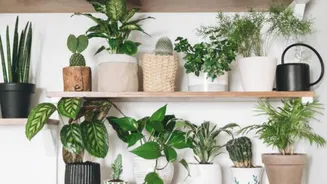
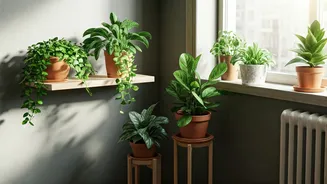
When you can’t build out, build up. Renters are masters of vertical space, and this principle is perfect for plants. Tension rods, typically used for shower curtains, can be installed in window frames to hang lightweight trailing plants without drilling a single hole. Over-the-door hooks can hold hanging planters. Bookshelves become multi-level plant stands. You can also find affordable hanging plant holders that use macrame or simple ropes to suspend pots from the ceiling with a single, easily patched hook. This strategy not only saves precious floor space but also creates a dramatic, cascading “wall of green” that makes a room feel like an urban oasis.
3. Embrace the Container Garden
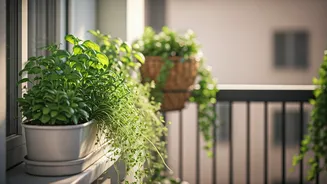
The container is a renter’s best friend. It makes your garden completely portable, allowing you to move plants to chase the best light, rearrange your decor, or take your entire green corner with you when your lease is up. Any vessel that can hold soil and has drainage holes (or can have them drilled) is a potential home for a plant. This opens up a world of possibilities beyond traditional pots. Think old coffee cans, vintage ceramic bowls from a thrift store, or even sturdy fabric grow bags. For balconies or patios, a few large containers can be enough to grow everything from flowers to compact vegetable varieties like cherry tomatoes or bell peppers, giving you a functional garden without ever touching the ground.
4. Choose Hardy, Forgiving Plants
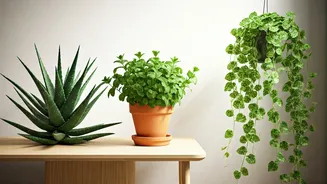
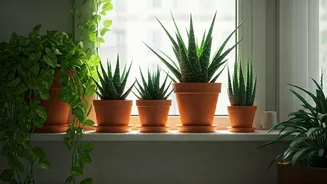
Nothing is more discouraging (or expensive) than a plant that dies quickly. To set yourself up for success, start with species known for their resilience. The ZZ Plant (Zamioculcas zamiifolia) can tolerate extremely low light and infrequent watering. The Snake Plant (Dracaena trifasciata) is similarly tough and acts as an excellent air purifier. For something that trails, a Golden Pothos (Epipremnum aureum) will thrive in a wide range of conditions and will visibly droop to let you know when it’s thirsty. Starting with these nearly indestructible plants builds confidence and ensures your green corner stays green, even if you’re still learning the ropes of plant care.
5. Get Creative with DIY Planters
Stylish planters can be surprisingly expensive, often costing more than the plants themselves. This is where a little DIY spirit saves the day. A plain, cheap terracotta pot can be transformed with a bit of leftover wall paint. Woven baskets from a thrift shop can be used as decorative outer pots (just keep the plant in its plastic nursery pot inside to protect the basket from water). You can even repurpose household items: a colander makes a fantastic hanging basket for succulents due to its built-in drainage. By decoupling the functional pot from the decorative one, you can achieve a high-end look for a fraction of the cost and express your personal style.
6. Grow a Practical Herb Garden
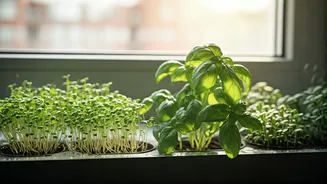
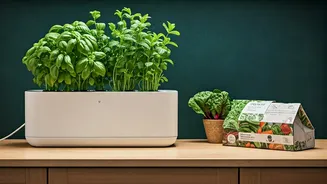
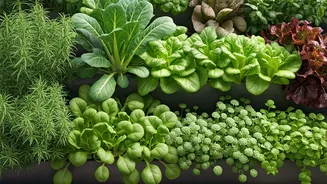
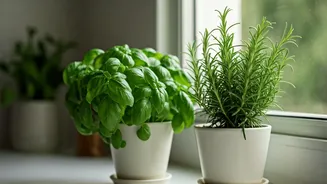
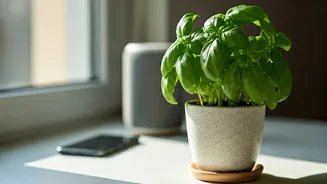
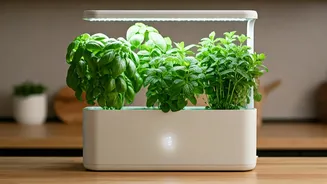
If you’re tight on space, prioritize plants that pull double duty. A small windowsill herb garden is the perfect example. It adds a patch of vibrant green to your kitchen while also providing fresh ingredients for your cooking, saving you money at the grocery store. Basil, mint, rosemary, and chives are all excellent candidates for indoor growing. They don’t require large pots and can be kept compact with regular trimming (which you’ll be doing anyway for your meals). A few small pots of fresh herbs on a sunny sill is a simple, affordable, and useful way to start your renter-friendly garden.