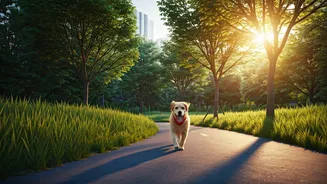







From Concrete Jungles to Gated Greens
For years, the canine experience in urban India was largely defined by the legions of stray dogs, or “indies,” that navigate the chaotic streets. For the domesticated pet, a walk was a strictly leashed affair on a crowded sidewalk, dodging traffic and
pedestrians. But that’s changing. In cities like Mumbai, Bengaluru, and Delhi, municipal corporations and private developers are carving out fenced-in oases specifically for dogs. Mumbai’s civic body, the BMC, has opened several, with the city's first official dog park in Powai becoming a landmark. These aren't just patches of grass. They often feature agility equipment, separate zones for large and small breeds, and strict rules requiring vaccination records. This formalization marks a profound shift from viewing dogs as mere guard animals or street dwellers to cherished companions deserving of their own recreational space.
The Rise of the 'Pet Parent'
So, why now? The trend is a direct reflection of India’s soaring economic growth and the social changes that come with it. A new generation of urban professionals, often in dual-income households without children, are embracing pet ownership with a distinctly Western-style fervor. They don't see themselves as owners; they are “pet parents.” This new demographic has disposable income and a desire to provide the best for their four-legged “children,” from gourmet food and elaborate grooming to, now, dedicated parks for socialization and exercise. The COVID-19 pandemic accelerated this trend, as lockdowns spurred a boom in pet adoption for companionship. As these pets became integral parts of the family, the demand for amenities to support them grew louder, forcing city planners to listen.
A New Battle for Public Space
The creation of pet runs is not without controversy. In cities where millions of people live in cramped quarters and children lack adequate playgrounds, dedicating prime real estate to dogs can seem like a misplaced priority to some. Debates have erupted in neighborhood associations and city council meetings. Critics question whether these spaces serve a privileged few, while others raise concerns about hygiene and noise. In response, many parks are funded through public-private partnerships or require user fees, positioning them as a service rather than a universal public good. This ongoing negotiation highlights a fundamental growing pain in modern India: as aspirations rise, cities must figure out how to balance the diverse and often competing needs of their vast populations—both human and animal.
More Than Just a Place to Play
Ultimately, the emergence of pet runs is a powerful symbol of a society in transition. It reflects the adoption of global middle-class norms and a redefinition of the family unit. These parks function as new community hubs where a specific tribe of urbanites—the pet parents—can connect, sharing tips and building social networks. For American observers, it’s a familiar story of urbanization played out in a different cultural context. It shows how the human-animal bond, and the desire to build communities around it, is a universal force. The dog park, an institution long taken for granted in the U.S., is becoming a new frontier in the social landscape of India's booming cities, telling us more about the country's future than one might think.