
The Ghost of Dinners Past
For decades, the heat-and-eat meal was a punchline—a symbol of culinary defeat. It was the sad desk lunch, the bachelor’s lonely dinner, the last resort when time and energy ran out. The offerings were grimly predictable: sky-high sodium, mushy textures,
and flavors that tasted more of plastic wrap than actual food. Brands like Swanson and Stouffer’s dominated, offering a consistent but uninspired promise of convenience over quality. This perception was cemented in pop culture. The TV dinner became shorthand for a sterile, disconnected family life, a far cry from the wholesome, home-cooked ideal. To choose a pre-made meal was to admit you couldn't—or wouldn't—do better. It was a compromise that you could taste, and it rarely tasted good.
The Convenience Glow-Up
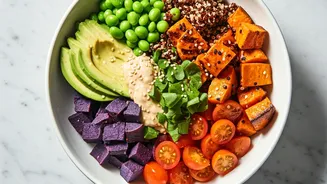
So what changed? It wasn't one single thing, but a perfect storm of technological innovation and cultural shifts. First, the technology for preserving food improved dramatically. Flash-freezing techniques and vacuum-sealed packaging (like sous-vide) now lock in flavor and texture in ways the old aluminum trays never could. Nutrients are better preserved, and ingredients like salmon or asparagus can emerge from a microwave or oven tasting fresh, not tragically overcooked. Second, consumer demand evolved. The pandemic accelerated the work-from-home trend, creating a massive new market for people who needed a quick, healthy lunch that wasn’t another sad sandwich. Simultaneously, a broader wellness movement has made consumers more discerning. We read labels, we track macros, and we expect our food—even our convenient food—to align with our health goals. The market responded to the demand for keto, paleo, plant-based, and low-calorie options that actually deliver on nutrition.
Meet the New Class of Meals
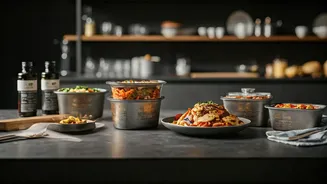
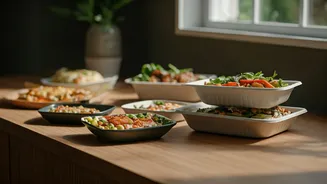
The new guard of heat-and-eat meals bears little resemblance to its ancestors. A stroll through the modern grocery store or a scroll through your Instagram feed reveals a completely different landscape. In the refrigerated section, brands like Kevin’s Natural Foods offer sous-vide entrées like Paleo-certified Korean BBQ-Style Steak or Cilantro Lime Chicken that are ready in five minutes. Then there’s the direct-to-consumer explosion. Companies like Factor and CookUnity have built entire empires on delivering fresh, chef-prepared, single-serving meals to your doorstep. These aren't just about sustenance; they’re about curation. You can get a Seared Salmon with dill sauce and roasted potatoes, or a Green Curry with tofu, all designed by actual chefs and tailored to specific dietary needs. They’ve successfully reframed the heat-and-eat meal from a compromise to a smart, strategic choice for time-pressed professionals, athletes, and anyone who wants a restaurant-quality experience without the hassle or expense.
More Than Just a Quick Dinner
This evolution is about more than just better-tasting food. It’s solving a multitude of modern problems. For remote workers, it eliminates the midday scramble, providing a healthy and satisfying lunch that doesn’t require an hour of prep and cleanup. For aging parents or relatives, these services can be a lifeline, ensuring they have access to nutritious, easy-to-prepare meals when cooking becomes a challenge. Even dedicated home cooks are embracing the trend. They see these meals not as a replacement for their love of cooking, but as a valuable tool. On a busy weeknight, having a high-quality, pre-made meal on hand frees up time and mental energy. It’s the ultimate backup plan—one that no longer feels like a failure.