

First Off, What Even Are Millets?
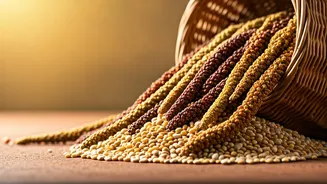
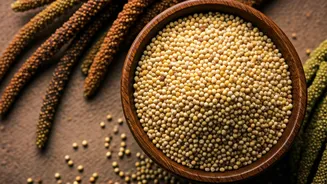
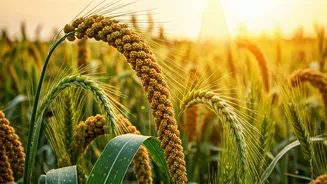
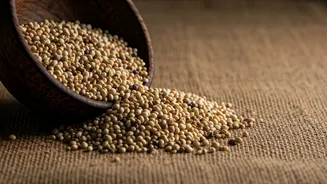
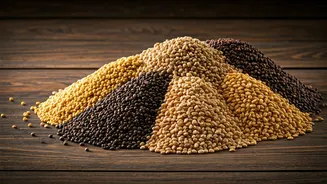
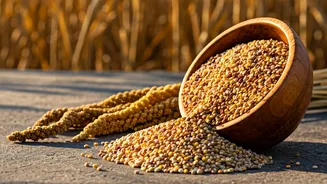
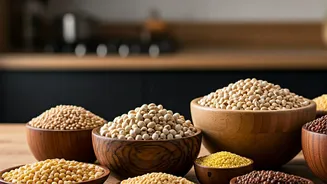
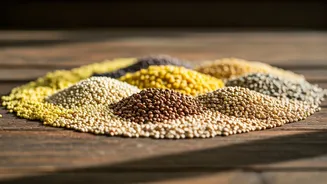
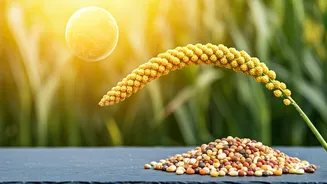
Before we get to the 'flex,' let's start with the basics. Millets aren't a single grain but a diverse group of small-seeded grasses that have been cultivated for thousands of years across Africa and Asia. In the U.S., you might see millet in birdseed
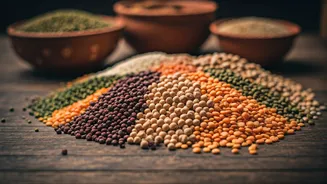
mixes or perhaps as a niche gluten-free grain, but in India, they are staple foods with household names. Think of sorghum (jowar), pearl millet (bajra), and finger millet (ragi), which are used to make everything from flatbreads (like roti) to porridges and savory cakes. Unlike wheat and rice, which are single species, millets are a whole family of hardy, versatile crops. For centuries, they were the backbone of the Indian diet, thriving in places where other grains would fail.
The 'Smart' in Smart Grain
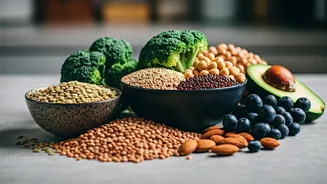
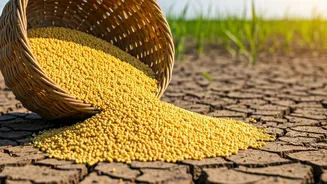
The resurgence of millets isn't just about nostalgia; it’s a calculated move based on two powerful modern concerns: climate change and health. From a climate perspective, millets are what agricultural experts call 'climate-smart.' They are ridiculously tough. Many varieties are drought-tolerant, require significantly less water than rice or wheat, and can grow in poor soil without heavy reliance on chemical fertilizers and pesticides. As climate change makes weather patterns more erratic and water more scarce, these are not small advantages—they’re survival traits. Nutritionally, they're equally impressive. Often dubbed 'nutri-cereals,' millets are typically high in fiber, protein, and essential minerals like iron and calcium. Most are naturally gluten-free and have a lower glycemic index than refined wheat or white rice, making them a better choice for managing blood sugar. In a world grappling with both malnutrition and obesity, millets offer a powerful two-for-one solution.
From 'Poor Man’s Food' to National Pride
If millets are so great, why did they ever fall out of favor? The story starts in the 1960s with the Green Revolution. This massive agricultural initiative focused on boosting India's food production by promoting high-yield varieties of wheat and rice. It worked, averting famine and making India self-sufficient. But it came at a cost. Government subsidies, marketing, and public distribution systems all favored wheat and rice, pushing millets to the margins. Over time, millets became stigmatized as 'poor man’s food'—something you ate if you couldn't afford the more 'modern' grains. Now, the tables have turned dramatically. The Indian government, led by Prime Minister Narendra Modi, has launched a full-scale campaign to bring them back. Millets are being rebranded not as a food of hardship but as 'superfoods' and a symbol of India's ancient agricultural wisdom. They’re appearing on the menus of fine-dining restaurants, in the aisles of gourmet grocery stores, and in the kitchens of health-conscious urbanites. This revival is the ultimate 'flex': turning a perceived symbol of poverty into a source of national pride and a solution for the future.
Taking the Millet Mission Global
India isn't just keeping this revival to itself. The country successfully spearheaded a proposal at the United Nations to have 2023 declared the 'International Year of Millets.' It was a savvy diplomatic move that positioned India as a global leader in food security and sustainable agriculture. By promoting millets on the world stage, India is essentially offering its traditional grains as a solution to global challenges—from climate change to poor nutrition. This global campaign serves multiple purposes. It opens up new export markets for Indian farmers, enhances India’s soft power, and shares a valuable agricultural blueprint with other developing nations facing similar climate and food security issues. The message is clear: the future of food might just lie in rediscovering the past.