






Go Beyond the Thermometer
The first mistake many people make is judging the safety of a workout by the temperature alone. The real number to watch is the heat index, which combines air temperature with relative humidity to determine what the heat actually feels like to the human
body. Humidity is a game-changer because it hampers your body's primary cooling mechanism: sweating. When the air is already saturated with moisture, your sweat can't evaporate effectively, trapping heat and causing your internal temperature to rise much faster. The National Weather Service provides easily accessible heat index charts. A seemingly pleasant 85°F day can feel like a dangerous 95°F with high humidity, dramatically increasing your risk for heat-related illness. Before you even lace up your shoes, make checking the heat index a non-negotiable part of your routine.
Find Your Golden Hours
Simply avoiding the midday sun is a good start, but getting more specific pays dividends. The true “golden hours” for summer exercise are typically before 10 a.m. and after 7 p.m. In the early morning, the ground and air haven't had a chance to absorb and radiate the day's full solar energy. Asphalt and concrete can retain heat for hours, meaning a 6 p.m. run might still feel brutally hot from below. An evening workout, after the sun has set and surfaces have had time to cool, is often a safer bet than late afternoon. If your schedule is inflexible and forces you into a midday session, this is the time to head indoors, find a shaded trail, or switch to a lower-intensity activity like swimming.
Check the Air You're Breathing
Heat isn't the only invisible threat. Hot, sunny, and stagnant days are perfect incubators for ground-level ozone, a primary component of smog. This harmful pollutant can irritate your respiratory system, reduce lung function, and make breathing difficult—all things you want to avoid, especially when you're breathing heavily during exercise. High levels of particulate matter from wildfires or pollution can pose a similar risk. Make a habit of checking the Air Quality Index (AQI) alongside the weather forecast. Websites like the EPA's AirNow.gov provide real-time, location-specific data. If the AQI is in the orange (Unhealthy for Sensitive Groups) or red (Unhealthy) range, it’s a clear signal to move your workout inside.
Listen to Your Body, Not Your Watch
Your fitness tracker might tell you to push for another mile, but your body knows best. Acclimating to the heat is a gradual process. Don't expect to maintain your peak cool-weather performance on the first hot day of the year. Instead, reduce the intensity and duration of your workouts for the first one to two weeks of a heatwave. Pay close attention to the early warning signs of heat exhaustion: heavy sweating, dizziness, headache, nausea, weakness, and cool, clammy skin. If you experience any of these, stop exercising immediately, move to a cooler place, and hydrate. Ignoring these symptoms can lead to heatstroke, a life-threatening emergency characterized by a high body temperature and confusion or loss of consciousness.
Hydration Starts Before You Go
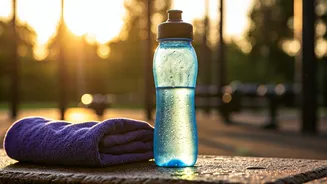
Trying to catch up on hydration mid-run is a losing battle. Proper hydration is a 24/7 commitment, not just something you do 10 minutes before you head out. Aim to drink water consistently throughout the day. A good rule of thumb is to check the color of your urine; pale yellow is the goal. About two hours before a hot-weather workout, drink 16-20 ounces of water. During exercise, plan to sip 7-10 ounces every 15-20 minutes. For workouts lasting longer than an hour, consider a sports drink to replenish the electrolytes (like sodium and potassium) lost through sweat. These minerals are crucial for muscle function and fluid balance. Rehydrating after your workout is just as important to aid recovery and prepare your body for the next day.