






More Than Just a Bowl
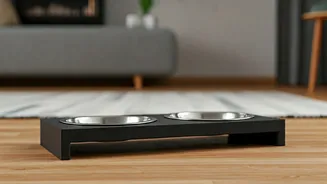
So, what exactly is a “feeding station”? The term encompasses a wide range of designs that elevate mealtime from a simple daily chore to a structured, cleaner, and even healthier experience for your furry companion. At its most basic, a feeding station might
be a set of raised, angled bowls set into a sturdy base, designed to improve a pet’s posture. More advanced versions integrate airtight food storage to keep kibble fresh and contained. At the high end, you’ll find smart feeding stations equipped with Wi-Fi, cameras, and programmable timers. These aren’t just accessories; they’re a piece of pet-centric furniture designed to solve common problems for owners, from messy floors to inconsistent portion sizes.
The Ergonomic Advantage
One of the most significant benefits of a feeding station, particularly a raised one, is improved ergonomics. For many pets, especially large-breed dogs, senior animals, or those with specific medical issues like arthritis or neck problems, stooping to eat from a floor-level bowl can be uncomfortable. A raised feeder allows them to eat in a more natural standing posture, which can aid in digestion by helping food travel more easily down the esophagus. Veterinarians often recommend elevated bowls for dogs with conditions like megaesophagus. By reducing strain on their neck and joints, a feeding station can make mealtime a more comfortable and enjoyable event for your pet, turning a simple upgrade into a genuine quality-of-life improvement.
A Cleaner Kitchen, A Calmer You
Let’s be honest: pets are messy eaters. Water gets splashed, kibble gets scattered, and the area around the bowls can quickly become a grimy zone. Feeding stations are engineered to combat this chaos. Many are built with surrounding lips or moats to catch stray food and water, keeping your floors clean and dry. Integrated designs often mean the bowls are less likely to be tipped over or pushed around the room by an enthusiastic eater. Materials like stainless steel and non-porous plastics are not only durable but also easy to wipe down and sanitize, reducing the buildup of bacteria that can thrive in traditional plastic bowls. This focus on containment and cleanliness simplifies your daily routine and brings a welcome sense of order to the pet corner of your home.
Precision and Peace of Mind
For the modern pet parent juggling a busy schedule, the smart feeding station is a game-changer. These automated devices offer unparalleled control and consistency. You can program exact portion sizes down to the tablespoon, ensuring your pet gets the right amount of food every time—a crucial feature for weight management. You can also schedule multiple meals throughout the day, which is perfect for owners who work long hours or have unpredictable routines. This automation provides peace of mind, knowing your pet will be fed on time, every time, even if you’re stuck in traffic. Some models even sync with an app, allowing you to dispense a treat remotely, see your pet via a built-in camera, and track their feeding habits over time, turning mealtime data into a valuable health tool.
Is It the Right Upgrade for You?
While the benefits are clear, a feeding station isn't a one-size-fits-all solution. The price can range from a modest investment for a simple raised platform to a significant one for a high-tech smart feeder. Before you buy, consider your pet’s specific needs. A tiny chihuahua likely doesn’t need a raised feeder, but an elderly Great Dane might. Similarly, if your cat is prone to “scarf and barf,” a slow-feeder insert or an automatic station that dispenses small portions could be transformative. However, if your pet is timid, the noise and movement of an automatic dispenser might cause anxiety. The key is to match the features of the feeding station to the real-world problems you’re trying to solve for yourself and your pet.