






The Concrete Jungle Heats Up
It’s not your imagination: our cities are getting dangerously hot. The phenomenon is called the “urban heat island” effect, and it’s a straightforward consequence of how we build. Dark asphalt roads and tar-covered rooftops absorb and radiate the sun’s
energy, unlike natural landscapes that reflect it or use it for evapotranspiration. Concrete and brick buildings act like thermal batteries, soaking up heat all day and releasing it slowly through the night, preventing cities from cooling down after sunset. Add waste heat from air conditioners, cars, and industrial processes, and you get a downtown core that can be 15–20°F warmer than the surrounding rural areas. As climate change dials up the frequency and intensity of heatwaves, these urban ovens are becoming less and less livable, pushing residents to find any escape they can.
The Unexpected Luxury of Elevation
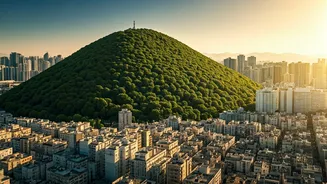
The traditional markers of a desirable neighborhood have long been things like good schools, low crime, and proximity to parks. But increasingly, another factor is quietly gaining prominence: elevation. A home on a hill or a ridge, once valued primarily for its views, is now being recognized for a much more practical benefit—it’s often measurably cooler. In cities from Los Angeles to Austin, the temperature difference between a low-lying, dense neighborhood and a breezy hilltop community just a few miles away can be significant enough to make a real difference in comfort, safety, and energy bills. This isn’t just about being a few feet higher; it’s about tapping into microclimate effects that can offer a natural buffer against punishing heat.
The Simple Science of Staying Cool
The cooling effect of hills is driven by a few key scientific principles. The most basic is the atmospheric lapse rate: in general, air temperature decreases as you go up in altitude. While a few hundred feet of elevation in a city won’t have the dramatic effect of climbing a mountain, it can still account for a degree or two of cooling. The bigger factor, however, is airflow. Hills and ridges are far more exposed to wind than valleys or flat, dense urban grids where buildings block airflow. This constant breeze is critical. It disrupts the bubble of stagnant, superheated air that forms near the ground and helps with evaporative cooling from both skin and vegetation. Furthermore, topography can create its own local wind patterns. At night, cooler, denser air from higher elevations sinks into the valleys below—a process known as katabatic wind. Living on the slope or crest of a hill means you avoid being in the basin where this hot air pools.
The High Ground and the New Climate Divide
As the value of this topographical advantage becomes more apparent, it’s beginning to reshape real estate and social geography. The term “climate gentrification” has emerged to describe what happens when areas that are more resilient to climate impacts—like those at higher elevations, safe from sea-level rise or extreme heat—become more desirable and therefore more expensive. The breezy heights that were once simply scenic are now seen as climate refuges. This can price out long-term residents and create a new form of inequality, where the wealthy can afford to buy their way out of the worst effects of a warming planet by literally moving to higher ground. For urban planners, this presents a new challenge: how to ensure that the benefits of these cooler microclimates are distributed equitably, perhaps through the creation of public parks on high ground or policies that promote green infrastructure throughout the city, not just in affluent hilltop neighborhoods.