






Understanding 'Toxicity' Levels
When you see the word “toxic” next to a plant name, it’s easy to panic. But according to experts at the ASPCA’s Animal Poison Control Center (APCC), toxicity isn't a simple on-off switch. The danger exists on a spectrum. Some plants, like the wildly popular
Pothos or Philodendron, contain calcium oxalate crystals that cause painful but typically manageable irritation of the mouth, tongue, and stomach, leading to drooling and vomiting. While uncomfortable for your pet, these are rarely fatal. On the other end of the spectrum are plants that can cause severe, life-threatening organ failure with even minimal exposure. The key for pet owners is to understand not just *if* a plant is toxic, but *how* toxic it is, allowing for a more informed approach to home decor.
The Most Dangerous Offenders
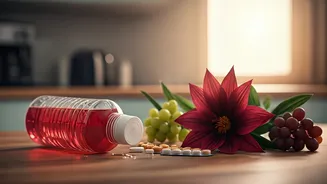
Certain plants are non-negotiable hazards in a home with pets. For cat owners, all species of the lily family (including Easter, Tiger, and Daylilies) are extremely dangerous. Ingesting any part of the plant, or even drinking water from its vase, can lead to irreversible kidney failure within days. Sago Palms are another major threat to both cats and dogs; every part of the plant is poisonous, with the seeds being the most toxic, often leading to liver failure and death. Other plants on the high-alert list include Oleander, which affects heart function, and Foxglove, another cardiotoxin. If you have curious pets, these plants are best avoided entirely or kept in completely inaccessible areas.
Common Culprits Hiding in Plain Sight
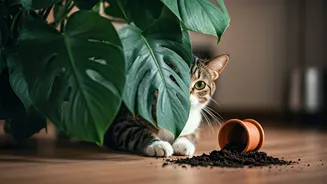
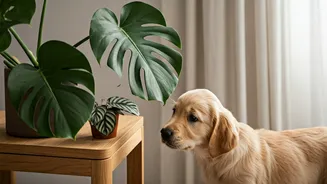
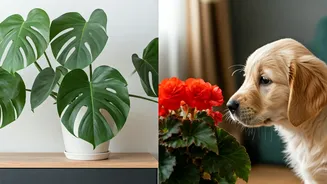
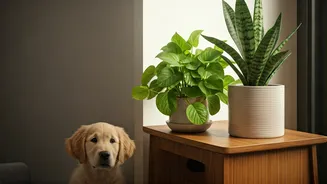
Beyond the critically dangerous, many of the trendiest houseplants carry a moderate risk. The Snake Plant (Sansevieria) and ZZ Plant (Zamioculcas zamiifolia), both beloved for their low-maintenance nature, can cause gastrointestinal upset if chewed on. Similarly, the iconic Monstera Deliciosa, with its beautiful split leaves, contains those same calcium oxalate crystals found in Pothos and Philodendrons, leading to oral irritation. Even aloe vera, known for its soothing properties for humans, is toxic to dogs and cats if ingested, causing vomiting and diarrhea. While a nibble on these plants is less likely to be a four-alarm fire, repeated exposure or ingestion by a small animal can still warrant a trip to the vet.
Go Green Without the Worry
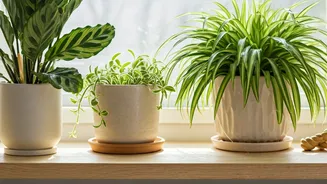
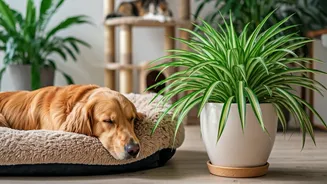
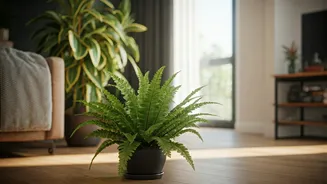
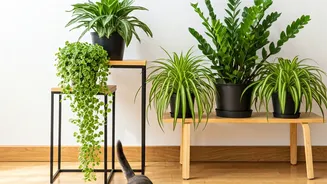
The good news is that you don't have to choose between your pet and a beautiful, green home. The ASPCA provides a long list of non-toxic plants that are completely safe for pets. Many of these are just as stylish and easy to care for as their toxic counterparts. Consider the dynamic Spider Plant, the vibrant Prayer Plant (Calathea), or the lush Boston Fern. The African Violet offers a pop of color and is perfectly safe. For succulent lovers, Haworthia and Echeveria are great non-toxic choices. When in doubt, a quick search on the ASPCA's extensive plant database before you buy can provide immediate peace of mind and prevent a potential tragedy.
What to Do in an Emergency
If you suspect your pet has ingested a toxic plant, time is of the essence. First, safely remove your pet from the area and prevent them from eating any more of the plant. If you can, take a quick photo or a sample of the plant for identification. Do not try to induce vomiting unless specifically instructed to do so by a professional. Immediately call your veterinarian, a local emergency vet clinic, or the ASPCA Animal Poison Control Center at (888) 426-4435. Their experts are available 24/7 to provide life-saving advice. Having their number saved in your phone is a smart move for any pet owner.