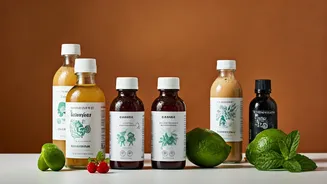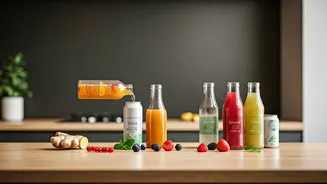

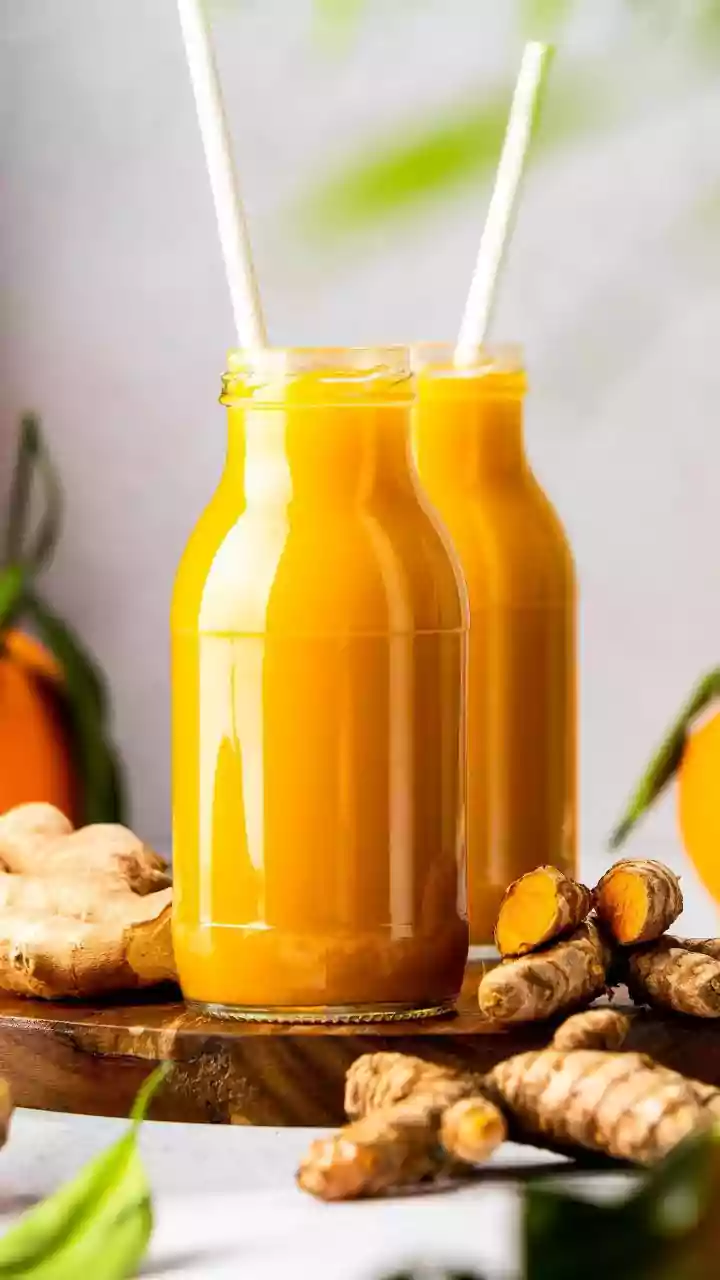

What Exactly Is a 'Functional Sip'?
At its core, a functional beverage is any drink formulated with ingredients that claim to provide a health benefit beyond basic hydration or nutrition. Think of it as a drink with a job to do. While an orange juice offers Vitamin C, a functional beverage might
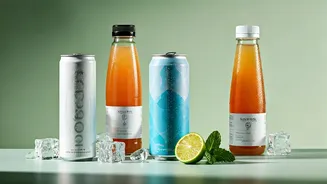
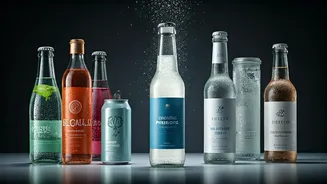
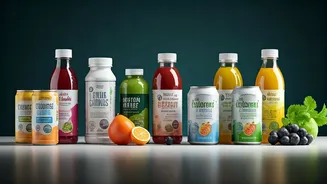
contain adaptogens to help you manage stress or nootropics to sharpen your focus. This isn't an entirely new concept—we’ve had kombucha for its probiotic benefits and sports drinks for electrolytes for decades. But the new wave is more specific, more stylish, and marketed directly to a generation exhausted by hustle culture and seeking sophisticated alternatives to both sugary sodas and alcoholic drinks. Brands like Olipop and Poppi offer prebiotic sodas for gut health, while others like Kin Euphorics or Recess are designed to mimic the mood-altering, social aspect of a cocktail, without the alcohol.
Meet the Star Ingredients
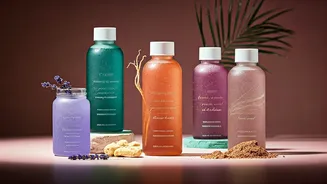
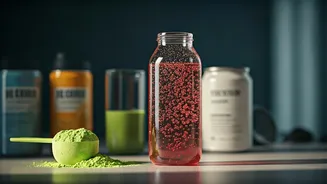
The magic (or at least, the marketing) is all in the additives. Understanding these drinks means getting to know a few key buzzwords. First up are **adaptogens**, herbs and mushrooms like ashwagandha, rhodiola, and reishi that are claimed to help the body 'adapt' to and manage stress. They’ve been used for centuries in traditional medicine, and now they're the star players in drinks promising a sense of calm. Next are **nootropics**, often called 'smart drugs' or cognitive enhancers. Ingredients like L-theanine (found in green tea), Lion’s Mane mushroom, and citicoline are included in beverages that claim to boost focus, memory, and creativity. Finally, there’s the gut health crew: **probiotics and prebiotics**. Probiotics are the 'good' bacteria, while prebiotics are the fiber that feeds them. Drinks loaded with these aim to support a healthy digestive system, which researchers are increasingly linking to overall mood and immunity.
Why Now? Culture and 'Sober Curiosity'
The explosion of functional sips isn't just about health; it's about a massive cultural shift. A primary driver is the 'sober curious' movement. More Americans, particularly younger generations, are reducing their alcohol consumption. They don't want to be stuck with a boring club soda and lime at a party; they want a complex, interesting, and adult-feeling beverage that still provides a ritual and a pleasant sensory experience. Functional drinks fill that void perfectly. The pandemic also played a role, accelerating a collective focus on self-care, mental health, and immunity. We're all more attuned to our stress levels and sleep quality. A can that promises to take the edge off a stressful workday feels like a low-effort, high-reward solution in a world that feels increasingly overwhelming. And of course, there’s the aesthetic. These cans are beautiful, designed for the Instagram grid, making them not just a wellness product but a lifestyle accessory.
The Science vs. The Sell
This is the million-dollar question: Do they actually work? The answer is complicated. Many of the ingredients used, like L-theanine for calm or certain probiotics for gut health, are supported by some scientific research. However, the studies are often small, and the doses used in a single canned beverage might not be potent enough to produce a significant clinical effect. For many adaptogens, the evidence is largely based on traditional use rather than large-scale, placebo-controlled trials. The Food and Drug Administration (FDA) regulates these products as dietary supplements, not pharmaceuticals, which means companies don't have to prove their products are effective before they hit the market, only that they are safe for consumption. Experts generally agree that while these drinks are unlikely to be a magic bullet for your health problems, most are a harmless—and often tastier and healthier—alternative to sugary sodas or alcohol.