


The Cool Classic: Aam Panna
First, let’s give credit where it’s due. Aam panna is a masterpiece of seasonal cooking. Made from boiled or roasted raw, green mangoes, it’s a bright, tangy drink designed to combat the sweltering heat of the Indian subcontinent. The raw mango pulp is blended
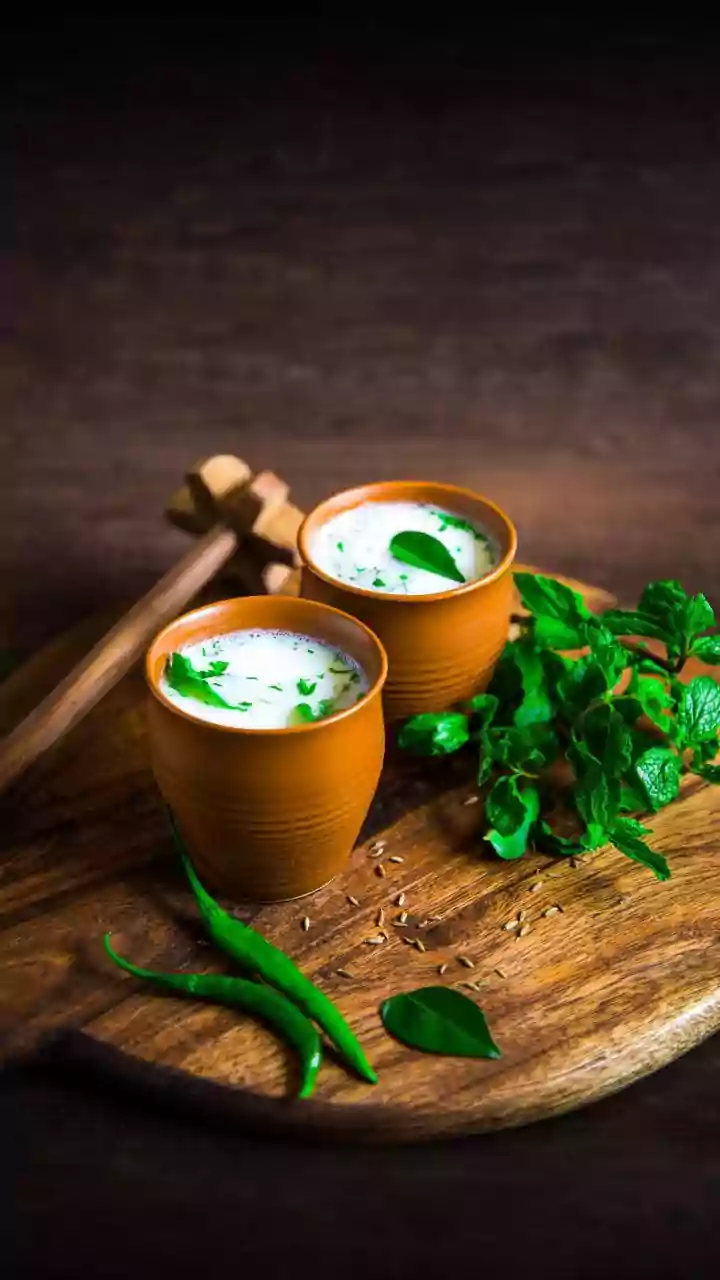
with sugar or jaggery, water, and a mix of fragrant spices like cumin and black salt. Served chilled, often with a sprig of mint, it’s a national treasure for a reason. It’s refreshing, hydrating, and tastes like the very essence of a green mango, captured in a glass. For many, the first batch of aam panna officially signals the start of summer. It’s the simple, sweet, and tangy quencher we know and adore.
Enter Mango Rasam: The Savory Plot Twist
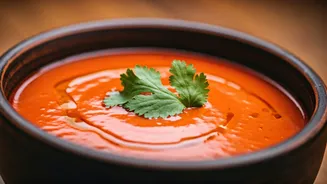
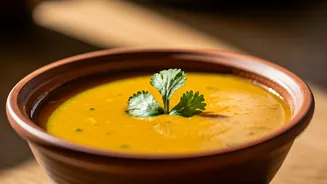
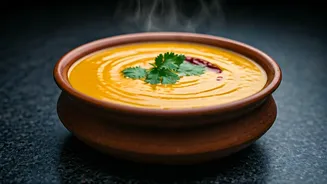
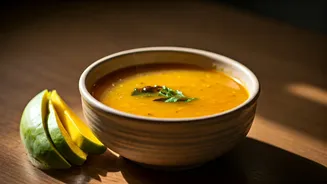
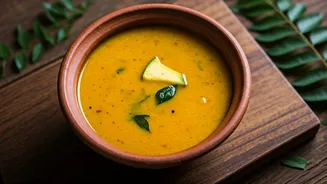
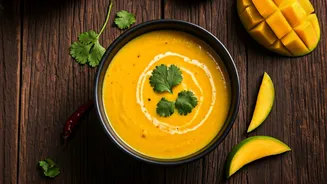
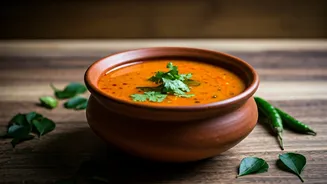
Now, imagine taking everything you know about mango drinks, turning it on its head, and serving it hot. Welcome to mango rasam, or *mambazha rasam*. Hailing from South India, particularly Tamil Nadu and Kerala, this is not a drink but a thin, soupy dish that belongs to the rasam family. Rasams are typically tamarind-based broths known for their peppery, sour, and savory flavors, often served with rice. The genius of mango rasam is that it incorporates the sweetness of ripe, juicy mangoes into this traditionally savory framework, creating a dish that is spectacularly complex and utterly unique. It’s the kind of culinary experience that makes you rethink an ingredient you thought you knew inside and out.
Raw vs. Ripe, Cold vs. Hot
The fundamental difference between these two mango creations lies in the mango itself. Aam panna exclusively uses unripe, green mangoes for their sharp, sour flavor. It’s a celebration of the fruit’s tart potential, balanced by sugar. Mango rasam, on the other hand, demands the opposite: sweet, fragrant, fully ripe mangoes. The goal isn’t to tame a sour fruit but to harness a sweet one. Furthermore, their temperatures are polar opposites. Aam panna is a cooler, designed to be sipped on a hot day. Mango rasam is a comforting, warm soup, meant to be eaten as part of a meal. One is a refreshing beverage; the other is a soulful, savory course.
A Symphony of Flavor
If aam panna is a bright, two-note chord of sweet and sour, mango rasam is a full-blown orchestra. The flavor profile is a dazzling balancing act. You first get the unmistakable floral sweetness of the ripe mango. But right behind it comes a wave of other sensations. A subtle sourness, often from a small amount of tamarind, keeps the sweetness from becoming cloying. Then comes the heat: a gentle but persistent warmth from black peppercorns and a kick from dried red chilies. Finally, the dish is finished with a *tadka* (or tempering)—a sizzle of hot oil or ghee infused with mustard seeds, cumin, curry leaves, and asafoetida. This final step adds a fragrant, earthy, and savory depth that ties everything together. It’s sweet, sour, spicy, and savory all at once.
How to Enjoy Your New Mango Obsession
Unlike aam panna, you don’t chug mango rasam from a tall glass. It’s a dish to be savored with a spoon. The most traditional way to eat it is ladled over a bed of hot, fluffy steamed rice. You mix the soupy rasam into the rice with your fingers or a spoon, letting the grains soak up all the complex flavors. Each mouthful is a burst of sweet mango, spicy broth, and neutral rice. Alternatively, you can simply sip it from a small bowl as a light appetizer or a comforting soup on its own. It’s a wonderful way to begin a South Indian meal, awakening the palate for the courses to come. Finding it in the U.S. might require a trip to a specialty South Indian restaurant, so check menus for "mambazha rasam."