







The Rise of the Urban Runner
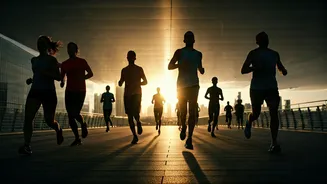
For years, the image of running in India was largely confined to elite athletes or military training. But over the past decade, a seismic cultural shift has occurred. Major cities like Mumbai, Bangalore, and Delhi now host world-class marathons that draw
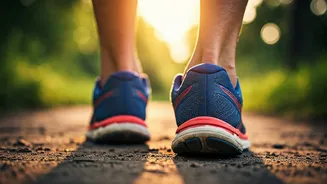
tens of thousands of participants. Amateur running clubs, once a niche hobby, have exploded in popularity, with groups gathering in parks and along promenades every morning. This boom isn't just about fitness; it's a social phenomenon. For a growing urban middle class, running offers a sense of personal achievement, community, and modern wellness. As they pound the pavement, they are forging new identities in a rapidly changing country. But as this global trend takes deeper root, a fascinating local adaptation is taking place, starting with what happens after the run ends.
Beyond the Electrolyte Gel
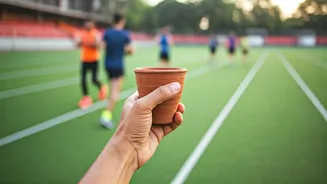
While you’ll still find plenty of standard sports drinks and energy gels, many runners are now reaching for hydration that feels more like home. Instead of a manufactured neon-blue beverage, they’re choosing fresh coconut water, served straight from the source by street vendors who are a fixture of Indian cityscapes. Another post-run favorite is *nimbu pani*, a simple but brilliant concoction of water, lemon juice, sugar, and a pinch of salt—essentially a natural, homemade oral rehydration solution that has been used for generations to combat the subcontinent's heat. In some circles, you might even see runners sipping on *chaas* (spiced buttermilk) or other regional coolers known for their refreshing and restorative properties. This turn towards traditional options isn't a rejection of science, but an embrace of a different kind of wisdom.
A Fusion of Wellness and Identity
So why the shift? It’s a blend of practicality, health consciousness, and cultural pride. Many of these traditional drinks align with the principles of Ayurveda, India’s ancient system of medicine, which emphasizes natural ingredients and balance. Coconut water is praised for its potassium content, while the salt in *nimbu pani* is perfect for replenishing electrolytes lost through sweat. For runners increasingly skeptical of processed foods and sugars, these natural alternatives are a welcome choice. But the movement is about more than just nutrients. It represents a quiet reclamation of local identity. In adopting a global sport like marathon running, these athletes are simultaneously grounding it in their own culture. Choosing a traditional drink over a multinational brand is a small but significant act of celebrating heritage in a modern context.
The Social Finish Line
Ultimately, these hydration rituals are strengthening the very thing that makes running clubs so appealing: community. The act of gathering around a vendor’s cart, sharing a round of fresh-squeezed juices, or passing around a jug of homemade *nimbu pani* transforms the end of a run into a communal celebration. It’s a moment to cool down, socialize, and connect with fellow runners not just as athletes, but as neighbors. This shared experience fosters a deeper bond than simply grabbing a personal water bottle and heading home. It creates a distinctly Indian finish line, where the reward for physical exertion is not just a feeling of accomplishment, but also the taste of tradition and the warmth of community.