







The Changing Definition of 'Homemade'
For generations, Indian cooking has been a revered, and often required, skill. A multi-hour affair involving grinding fresh spices, slow-cooking lentils, and rolling out flatbreads, the process was a cornerstone of domestic life. But in bustling cities
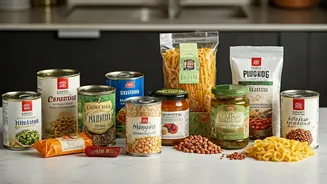
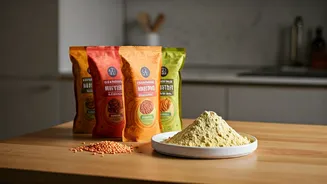
from Mumbai to Bengaluru, the definition of a homemade meal is rapidly evolving. 'Easy meals' in the Indian context aren't just frozen pizzas and TV dinners. They represent a sophisticated ecosystem of convenience, including ready-to-cook (RTC) kits with pre-measured spices and pastes for complex curries, heat-and-eat pouches of dal makhani and palak paneer, and subscription meal services delivering portioned, fresh ingredients. This isn't about rejecting Indian food; it's about finding a shortcut to it.
The Four Forces of Transformation
This culinary shift isn't happening in a vacuum. It’s the result of powerful social and economic forces converging at once. First is the rise of the dual-income, nuclear family. As more women enter and remain in the professional workforce, the expectation that they will also spend hours preparing elaborate meals has become unsustainable. Second, rapid urbanization means smaller kitchens and less time for commuting professionals. Third, disposable incomes are rising, making the premium for convenience an affordable trade-off. Finally, and perhaps most explosively, the growth of 'quick commerce' apps like Zepto, Blinkit, and Swiggy Instamart, which promise delivery of groceries and meal components in under 15 minutes, has supercharged the entire trend. The barrier to a quick meal is no longer a trip to the store; it’s a few taps on a smartphone.
A Multi-Billion Dollar Appetite
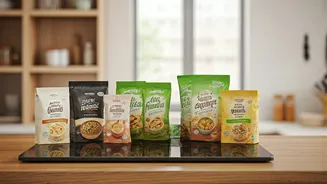
The numbers paint a clear picture of a market in overdrive. India’s ready-to-eat and ready-to-cook food sector is one of the fastest-growing segments of its consumer economy, with projections valuing it in the billions of dollars and anticipating double-digit annual growth. Brands that once catered to expatriate Indians abroad, like MTR Foods and Gits, now find their biggest market is at home. They are joined by a flood of new startups and legacy food giants, all competing to offer the most authentic taste with the least amount of effort. This isn't a niche market for the wealthy elite; it’s a mainstream phenomenon driven by the urban middle class, students, and young professionals who value both their time and the familiar flavors of home.
More Than Just Food
The embrace of convenience foods is sparking a cultural debate. To critics, it represents a loss of culinary heritage and a step away from the health benefits of freshly prepared food. The daily ritual of cooking, they argue, is an act of love and connection that is being outsourced. For proponents, however, this shift is a form of liberation. It frees up hours of unpaid domestic labor, overwhelmingly performed by women, allowing them more time for their careers, families, and themselves. It’s not about laziness, but about efficiency. As one Mumbai-based marketing professional might put it, using a ready-made ginger-garlic paste isn't a culinary sin; it’s a smart allocation of time in a life with too many demands and not enough hours.