





What Is a Micro-Workout?
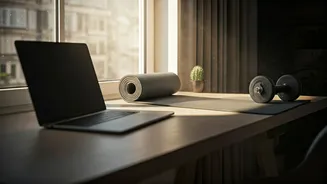
Forget carving out an hour for the gym. A micro-workout is a short, intense burst of physical activity, typically lasting anywhere from 1 to 10 minutes. The concept, often called 'exercise snacking,' isn't about replacing your traditional fitness routine
but supplementing it. Think of it as the fitness equivalent of grabbing a healthy snack instead of waiting for a full meal. The goal is to break up long periods of sedentary behavior and accumulate activity throughout the day. It could be a quick set of push-ups before a meeting, a few minutes of jumping jacks between calls, or a brisk walk up and down the office stairs during a coffee break. The key is consistency and intentionality, turning otherwise 'dead' time into a moment of movement.
The Indian Context: A Solution for the Hustle
In major Indian metropolises like Mumbai, Bangalore, and Delhi, the professional landscape is defined by intense competition, long work hours, and grueling commutes that can stretch for hours. For millions of young professionals in the tech and service industries, the dream of a balanced lifestyle clashes with the reality of a demanding corporate culture. Finding a dedicated 60-minute slot for a workout can feel like an impossible luxury. This is where the micro-workout became more than a trend; it became a pragmatic survival tool. It’s a culturally specific adaptation to a universal modern problem. By integrating short bursts of exercise directly into the workday, India's busy workers are reclaiming agency over their health without sacrificing professional commitments.
The Science of 'Exercise Snacking'
While it may sound too good to be true, the science behind 'exercise snacking' is surprisingly robust. Research suggests that breaking up exercise into smaller, more frequent sessions can offer significant health benefits. Studies have shown that even a few minutes of vigorous activity can improve cardiovascular health, regulate blood sugar levels, and boost metabolism. One popular method is the 'stair-climbing snack,' where participants vigorously climb stairs for a few minutes three times a day. This has been linked to measurable improvements in cardiorespiratory fitness. Furthermore, these short bursts can have a profound impact on mood and cognitive function, helping to clear brain fog and increase productivity—a compelling argument for any busy professional.
Micro-Workouts from the Desks of Mumbai
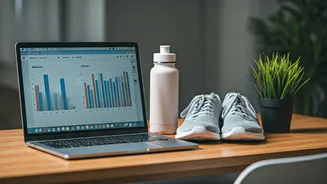
So what does this look like in practice? It's all about using your immediate environment. An office worker in a Mumbai high-rise might set a timer to stand up every 30 minutes and do 20 bodyweight squats next to their desk. Another might use the five-minute wait for a video conference to begin by doing wall push-ups and calf raises. Others have embraced 'stealth health,' opting to take the stairs instead of the elevator for a ten-floor climb or doing walking meetings around the office park. Some popular examples include: - **Chair Dips:** Using a stable office chair to work the triceps. - **Desk Planks:** A quick 60-second plank held during a short break. - **Stair Laps:** Two or three brisk trips up and down the nearest stairwell. - **Seated Stretches:** Focused neck, shoulder, and back stretches to combat 'desk slump.' These activities require no special equipment, no change of clothes, and minimal space.
How to Start Your Own Micro-Habit
Inspired? Adopting this Indian-born trend is simple. Start small by identifying the pockets of wasted time in your day. Is it the three minutes you wait for your coffee to brew? The five minutes before your next Zoom call? Choose one or two simple exercises you can do without much thought. The goal isn't to get sweaty or exhausted; it's to get moving. Set a recurring alarm on your phone if you need a reminder. The most important step is to tie the new habit to an existing one—a practice known as 'habit stacking.' For example: 'After I hang up from a client call, I will do 10 squats.' By making it small, specific, and easy, you build momentum and turn a novel idea into a sustainable part of your daily routine.