
Moving Past Millennial Minimalism
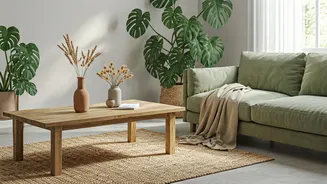
Remember the 2010s? It was the era of Scandinavian-inspired minimalism, a clean-lined aesthetic that dominated Pinterest boards and direct-to-consumer furniture catalogs. White walls, gray sofas, and a near-obsessive decluttering philosophy promised a serene,
simplified life. For a time, it worked. It was a visual balm in a chaotic world and an accessible entry point into interior design for a generation overwhelmed by choice. But after years of living in spaces that felt more like showrooms than homes, a quiet rebellion has been brewing. The starkness began to feel sterile, the uniformity impersonal. The perfectly curated, uncluttered space often left little room for the beautiful messiness of life itself. We are now witnessing a collective pivot away from this aesthetic emptiness, seeking something that feels more grounded, personal, and fundamentally human.
The Story in the Object
The “craft” in this new equation is about more than just a resurgence of macramé. It’s a deep appreciation for the handmade, the unique, and the perfectly imperfect. It’s the hand-thrown ceramic mug that fits just right in your grasp, the slightly uneven weave of a small-batch textile, or the custom piece of furniture from a local woodworker. These objects carry the imprint of their maker. Unlike mass-produced items, which are designed to be identical and anonymous, crafted pieces tell a story of skill, time, and intention. By bringing them into our homes, we’re not just acquiring decor; we’re becoming patrons of a person’s talent and keepers of their story. This connection to artistry provides a powerful antidote to the disposable, click-to-buy culture. Each object serves as a small anchor to the real, tangible world, reminding us that beauty often lies in imperfection.
Your Life as a Mood Board
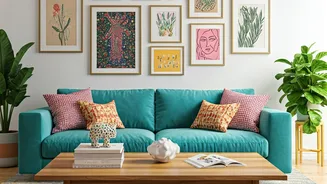
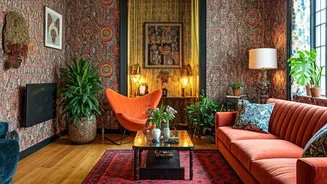
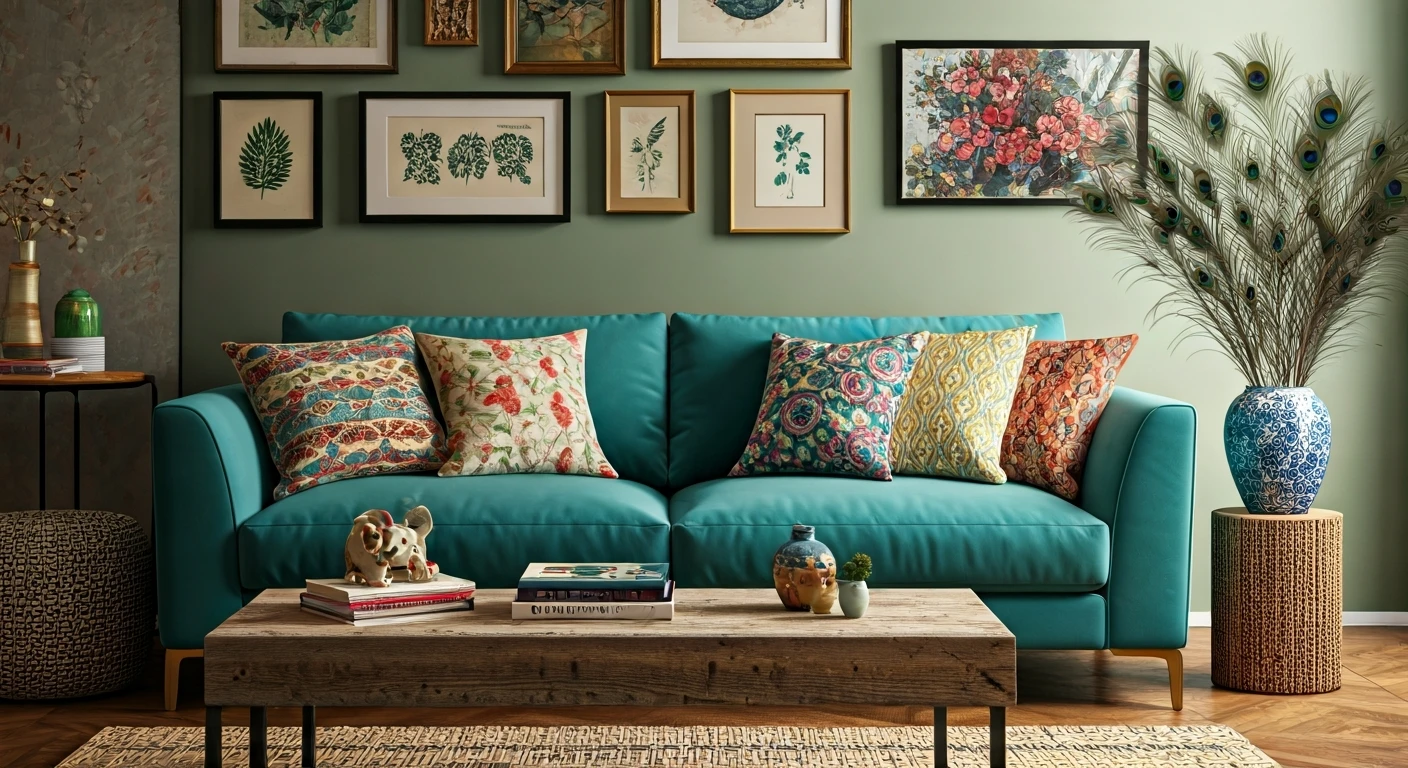
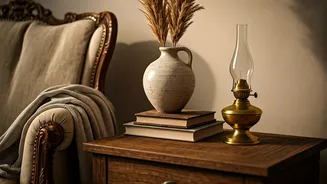
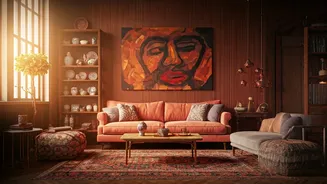
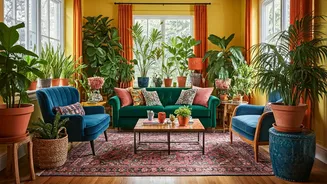
Alongside craft, “culture” has become the primary decorating tool. This isn’t about appropriation or performative worldliness; it’s about making your home an authentic autobiography. The “culture” is you. It’s the stack of books you’ve actually read, the art print from a concert that changed your life, the vintage bowl inherited from a grandparent, or the collection of rocks from your favorite hiking trail. It’s about letting your passions, your history, and your travels spill out onto your shelves and walls. This approach, sometimes dubbed “bookshelf wealth” or “eclectic maximalism,” rejects the idea that a home should conform to a single, rigid style. Instead, it champions a layered, evolving look that reflects a life well-lived. Your home becomes a personal museum where every object has provenance, every piece a memory. It’s a space that couldn’t be replicated because it is a direct reflection of a unique individual.
More Than Just Decor
This shift toward craft and culture is about creating a sense of psychological comfort. In a world that often feels overwhelmingly digital and disconnected, curating a physical environment filled with personal meaning is an act of grounding. It’s a way to exert control and express identity. When your home is filled with objects that you’ve chosen with intention, inherited with love, or made with your own hands, it becomes a sanctuary of authenticity. This new warmth isn’t passive; it’s an active process of storytelling. It’s the comfort of knowing that the space you inhabit is a true extension of yourself. The warmth comes from the visual and tactile reminders of people, places, and experiences that matter. It’s the feeling of being seen and understood, even when you’re the only one in the room.