





Why Parvati Valley?
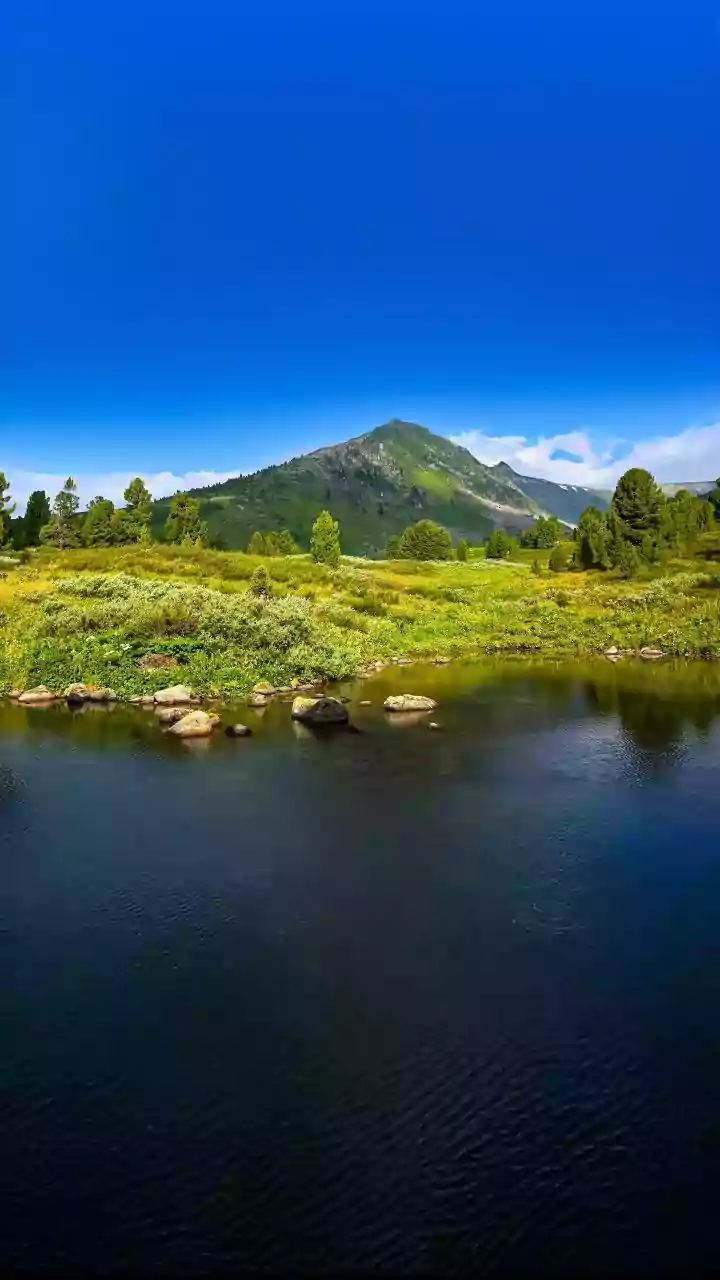
Tucked away in the Indian state of Himachal Pradesh, Parvati Valley has long been a magnet for backpackers, trekkers, and spiritual seekers. Carved by the ferocious Parvati River, this lush, pine-forested landscape is part of the old “hippie trail” of the '60s
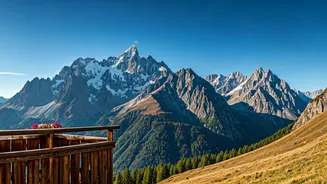
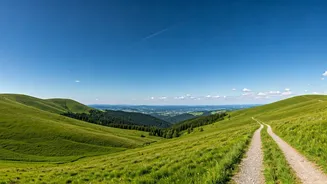
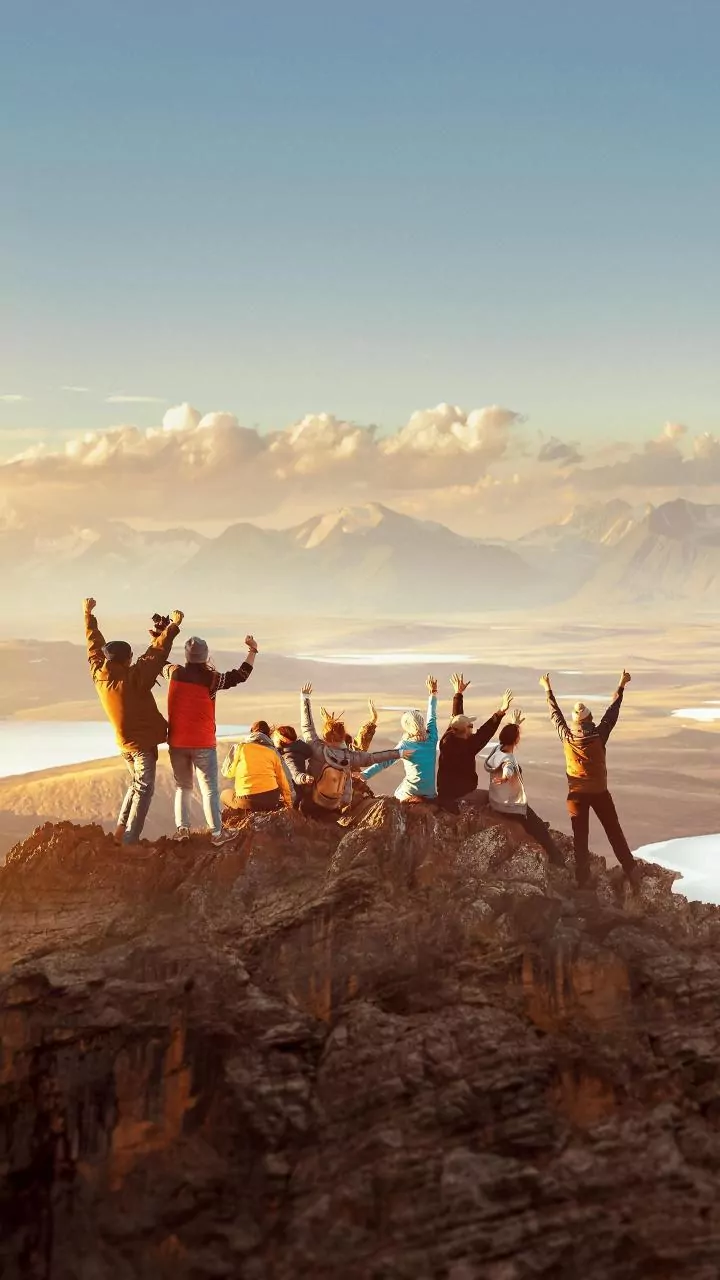
and '70s. Its allure isn't just the jaw-dropping scenery, which ranges from gentle riverside paths to formidable, snow-dusted peaks; it's the palpable sense of being far from the hustle of modern life. It's a place where the journey itself—often on foot—is the main attraction, and the rewards are panoramic views and profound quiet.
Your Basecamp: Kasol and Beyond
Most adventures begin in Kasol, a bustling town that serves as the valley's main hub. Known for its large Israeli traveler population, it’s often called “Little Israel” and is filled with cafes, guesthouses, and trekking agencies. While convenient, Kasol can be crowded. For a quieter start, consider pushing on to smaller, nearby villages. A short walk across a suspension bridge from Kasol leads to Chalal, offering a more relaxed vibe. Further up the valley, the village of Tosh sits at a higher altitude, providing stunning views and serving as a trailhead for more advanced treks. These smaller hamlets give you a better taste of the serene life the valley promises.
The Quintessential Trek: Kheerganga
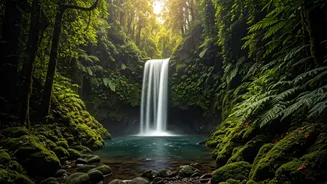
For a first-timer, the Kheerganga trek is the quintessential Parvati Valley experience. This moderate, 7.5-mile (12km) hike typically takes 4-6 hours and winds through breathtaking forests, past cascading waterfalls, and alongside the thundering river. The path is well-trodden, but the sense of accomplishment upon reaching the top is immense. The ultimate reward awaits at the summit: natural hot springs. Soaking in the warm, sulfurous water while gazing at snow-capped peaks is a core memory for nearly everyone who makes the journey. Simple campsites and guesthouses at the top provide rustic accommodation for an unforgettable night under the stars.
What 'Off-Grid' Really Means Here
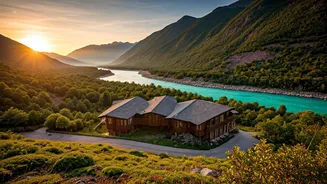
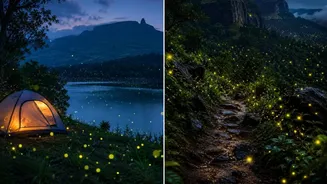
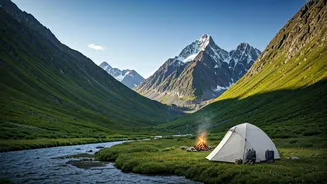
Let’s manage expectations. While you will absolutely lose cell service on most treks, “off-grid” in Parvati Valley doesn't usually mean pitching a tent in the remote wilderness alone. For popular routes like Kheerganga, it means staying in pre-established campsites or bare-bones guesthouses with shared facilities and limited electricity (often from generators). This is a blessing for most, as it eliminates the need to carry heavy camping gear. True, unsupported wild camping is possible for experienced mountaineers with proper permits and a local guide, but for most visitors, the established network provides the perfect balance of raw nature and basic comfort.
Essential Gear and Prep
Packing smart is crucial. The weather can change in an instant, so layers are your best friend. Your non-negotiable list should include: sturdy, broken-in hiking boots; a waterproof jacket; moisture-wicking base layers; warm fleece or down jacket for cold nights; a hat and sunscreen for high-altitude sun; and a headlamp. A portable power bank is a lifesaver for charging your phone (for photos!) when electricity is scarce. Also, carry a reusable water bottle and a purification method like a filter or tablets. A basic first-aid kit with supplies for blisters, cuts, and stomach issues is also highly recommended.
Safety and Cultural Notes
The Himalayas are as challenging as they are beautiful. Altitude sickness is a real risk; acclimatize for a day or two in a town like Kasol before attempting a high-altitude trek. Never hike alone, especially on less-traveled paths—hiring a local guide is wise and supports the local economy. While the valley is generally safe, be mindful of your belongings. Culturally, the valley is a mix of traditional Himachali life and international traveler culture. Be respectful, especially if you venture near isolated villages like Malana, which has its own strict rules for visitors. Always ask before taking photos of people.