



The Myth of ‘Curry Powder’
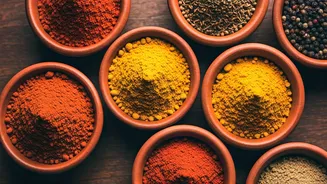
Let’s start with a truth that might surprise you: the yellow “curry powder” in most American spice cabinets is virtually nonexistent in Indian homes. It’s a British colonial invention, a standardized blend created to approximate the complex flavors of
the subcontinent for a Western palate. While convenient, it did Indian cuisine a massive disservice, flattening thousands of distinct culinary traditions into a single, monotonous flavor.
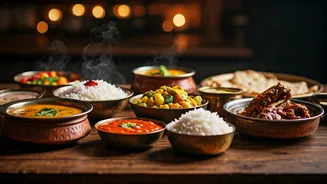
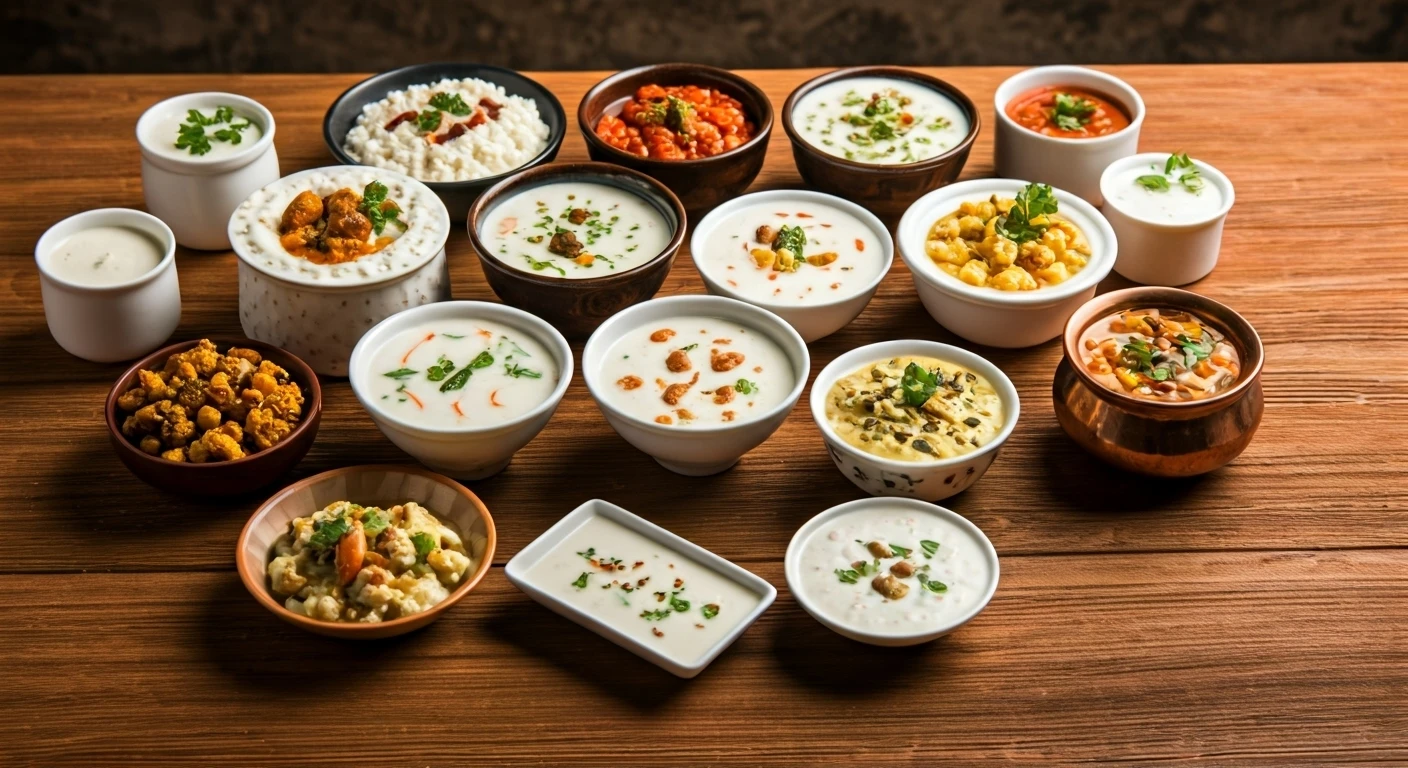
For generations, this simplification has defined Indian food outside of India. Menus became predictable, offering a familiar lineup of tikka masala, saag paneer, and vindaloo, often made with a base gravy that varied little from dish to dish. This wasn't a reflection of India's kitchens, but a concession to the global market's demand for simplicity. But the era of the one-size-fits-all curry is finally coming to a close.
What is a Masala, Really?
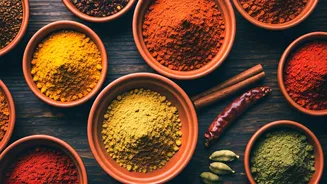
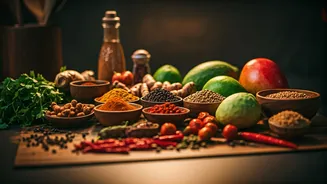
The key to unlocking authentic Indian cooking lies in the concept of *masala*. In Hindi, the word simply means “spice mix.” But that simple definition belies a world of complexity. A masala isn't a static recipe; it's a dynamic, living part of Indian culinary identity. Every region, every community, and often every family has its own signature blends, passed down through generations.
These blends are specifically designed to complement local ingredients and suit the regional climate. A coastal masala from Kerala might feature dried shrimp and kokum (a sour fruit), while a blend from the Punjab in the north might be heavy on warming spices like cinnamon, cloves, and black cardamom. A *masala dabba* (spice box) in a Bengali kitchen looks and smells completely different from one in a Gujarati home. This is where the real magic of Indian food resides—not in one powder, but in hundreds.
A Taste of the Regions
As this trend builds, you’ll start seeing specific masala names on menus and in specialty grocery aisles. Get to know a few of the stars. From Maharashtra in western India comes *goda masala*, a deeply aromatic and slightly sweet blend with notes of sesame, coconut, and a unique spice called dagad phool (black stone flower). It’s the soul of many Maharashtrian lentil and vegetable dishes.
Head east to Bengal, and you’ll find *panch phoron*, or “five spices.” It’s not a powder but a whole-spice blend of cumin, fenugreek, nigella, fennel, and mustard seeds, which are tempered in hot oil to release their distinct aromas. In the south, Tamil Nadu’s *sambar podi* is an earthy, fragrant powder made from roasted lentils and spices, forming the flavor backbone of the iconic vegetable stew, sambar. Each blend tells a story about its place of origin—its agriculture, its history, and its people.
Why Now?
So why is this hyper-regional wave hitting now? It's a perfect storm of factors. First, a new generation of Indian chefs and food entrepreneurs in the diaspora—people who grew up between two cultures—are proudly showcasing the specific flavors of their heritage, refusing to dumb them down for a Western audience. They are opening restaurants dedicated to the food of a single state, like Goa or Karnataka.
Second, direct-to-consumer spice companies like Diaspora Co. and Spicewalla have made it their mission to decolonize the spice trade. They work directly with Indian farmers to source single-origin, high-quality spices and share the stories behind them, educating consumers along the way. Finally, social media has given a platform to home cooks and food creators who are demystifying these regional recipes, proving that authentic Indian cooking is accessible, not just aspirational.