



The Sobering Lesson of the Pandemic Puppy
Remember 2020? Stuck at home, lonely, and scrolling through endless photos of adorable shelter dogs. For millions, the solution seemed simple: adopt a pet. This led to a nationwide surge in adoptions, with shelters celebrating empty kennels. But as life
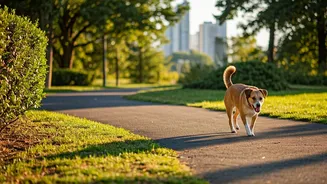
lurched back toward normal, a difficult truth emerged. Many of these well-intentioned adoptions were impulsive. The cute puppy that was a joy during lockdown became a logistical challenge when commutes, social lives, and office work returned. Shelters across the country reported an increase in owner surrenders, many from loving but unprepared homes that couldn't reconcile their new reality with the needs of a dog adopted in a crisis. This collective experience served as a powerful, if painful, course correction. It highlighted the gap between the romantic idea of 'saving' a dog and the practical, lifelong commitment of caring for one.
So, What Is 'Mindful Pet-Parenting'?
Mindful pet-parenting is the antidote to the impulsive click-to-adopt decision. It reframes the process from an emotional transaction to a deliberate lifestyle choice. Instead of simply 'wanting a dog,' prospective parents are asking deeper questions. It’s a research-heavy approach that involves an honest self-assessment: Can I truly afford this? A dog isn't a one-time adoption fee; it's 10-15 years of food, vet bills, grooming, training, and emergency funds. Does my lifestyle match this specific dog's needs? A high-energy Border Collie won't thrive in a 500-square-foot apartment with an owner who works 10-hour days. Am I prepared for the behavioral challenges? Every rescue dog has a past, and many require patience and professional training to overcome anxiety or reactivity. This mindset treats adoption less like acquiring a possession and more like entering a long-term partnership where both parties' needs are respected.
The Unique Challenges of Urban Dog Life
This shift is especially pronounced in cities, where the margin for error is smaller. Unlike a suburban home with a fenced-in yard, an urban apartment requires a much higher level of hands-on management. 'Potty breaks' aren't a matter of opening the back door; they are scheduled walks, often involving elevators, lobbies, and navigating busy sidewalks, regardless of the weather. Socialization is critical but complex. A city dog must be comfortable with a constant barrage of stimuli: sirens, strangers, skateboards, and other dogs in close quarters. Exercise doesn't just happen; it requires trips to crowded dog parks or long walks on a leash. Mindful urban adopters are factoring in these realities. They're seeking out smaller breeds, lower-energy dogs, or making concrete plans for doggy daycare and professional walkers to ensure their pet’s needs are met within the constraints of a concrete jungle.
How Shelters Are Becoming Matchmakers
In response to this trend—and the hard lessons of post-pandemic surrenders—animal shelters are also evolving. The old model of simply getting animals out the door as fast as possible is being replaced by a more consultative, 'matchmaking' approach. Adoption applications are becoming more detailed, designed not to be exclusionary barriers but to start a conversation about lifestyle and expectations. Shelter staff and volunteers are acting more like counselors, guiding potential adopters toward an animal that genuinely fits their living situation and experience level. Many are investing heavily in 'foster-to-adopt' programs, which allow a trial period for both the family and the dog to see if it's a good match before making the final commitment. This reduces the emotional and logistical trauma of a 'failed' adoption and sets everyone up for success from the start.