


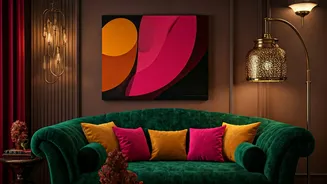
Beyond The Bulb: What Is Statement Lighting?
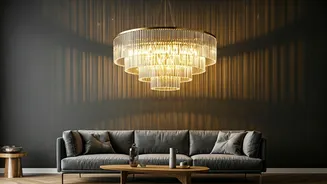
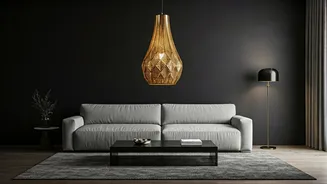
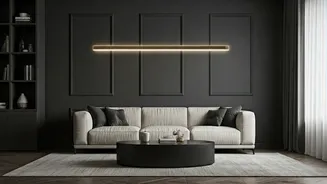
Forget the humble, flush-mounted ceiling fixture you’ve been ignoring for years. Statement lighting is any light source that refuses to be ignored. It’s a piece chosen for its personality, scale, and artistic presence as much as for its ability to illuminate.
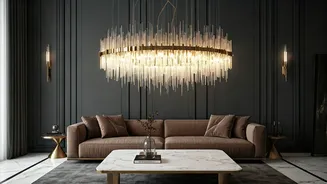
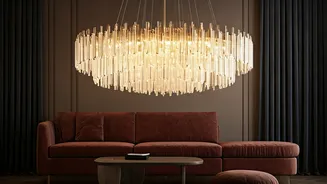
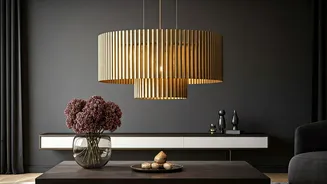
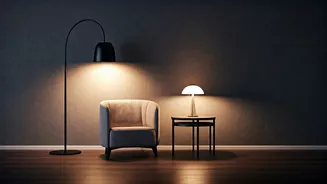
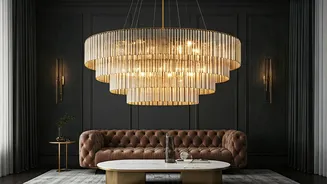
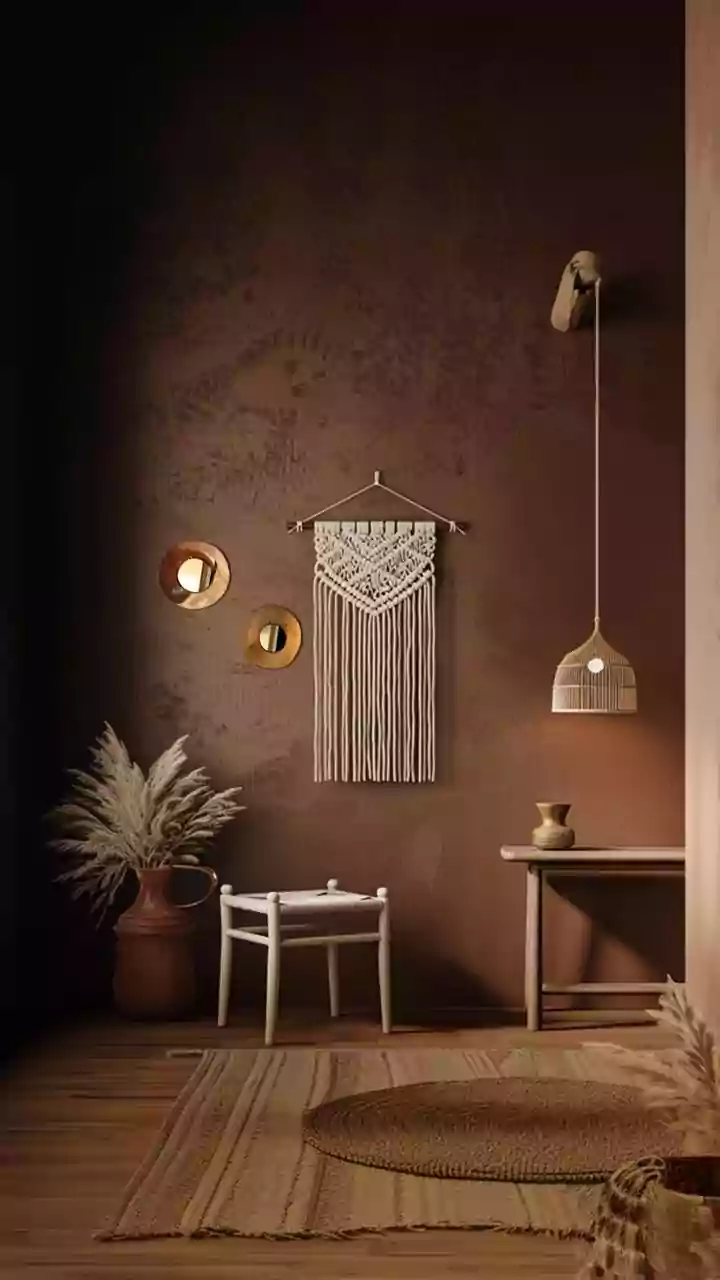
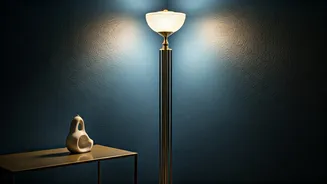
Think of it as functional sculpture. Whether it’s a sprawling, multi-armed chandelier in a dining room, a dramatic arc floor lamp curving over a sofa, or a pair of oversized, sculptural sconces flanking a mirror, statement lighting commands attention. Its primary job isn't just to light up a room, but to define it. It’s a declaration of style that says, “This space is intentional.” It’s the difference between a room that is simply lit and a room that is truly designed.
The Ultimate Design 'Cheat Code'
So why is this a “shortcut”? Because a single, well-chosen light fixture can accomplish several design tasks at once. First, it creates an instant focal point. The human eye is naturally drawn to light, and a beautiful fixture gives the eye a place to land, immediately making a room feel more composed. Second, it anchors a space. A pendant over a dining table defines the eating area; a chandelier in the center of a living room grounds the seating arrangement. This one element can establish the entire mood and style of a room—be it mid-century modern, glamorous, industrial, or minimalist. It’s a powerful move that can make a sparsely furnished room feel complete or distract from less-than-perfect elements, like worn floors or a radiator you’d rather forget. Instead of agonizing over paint, rugs, pillows, and art, you’re making one high-impact decision that sets the tone for everything else.
Getting The Scale And Placement Right
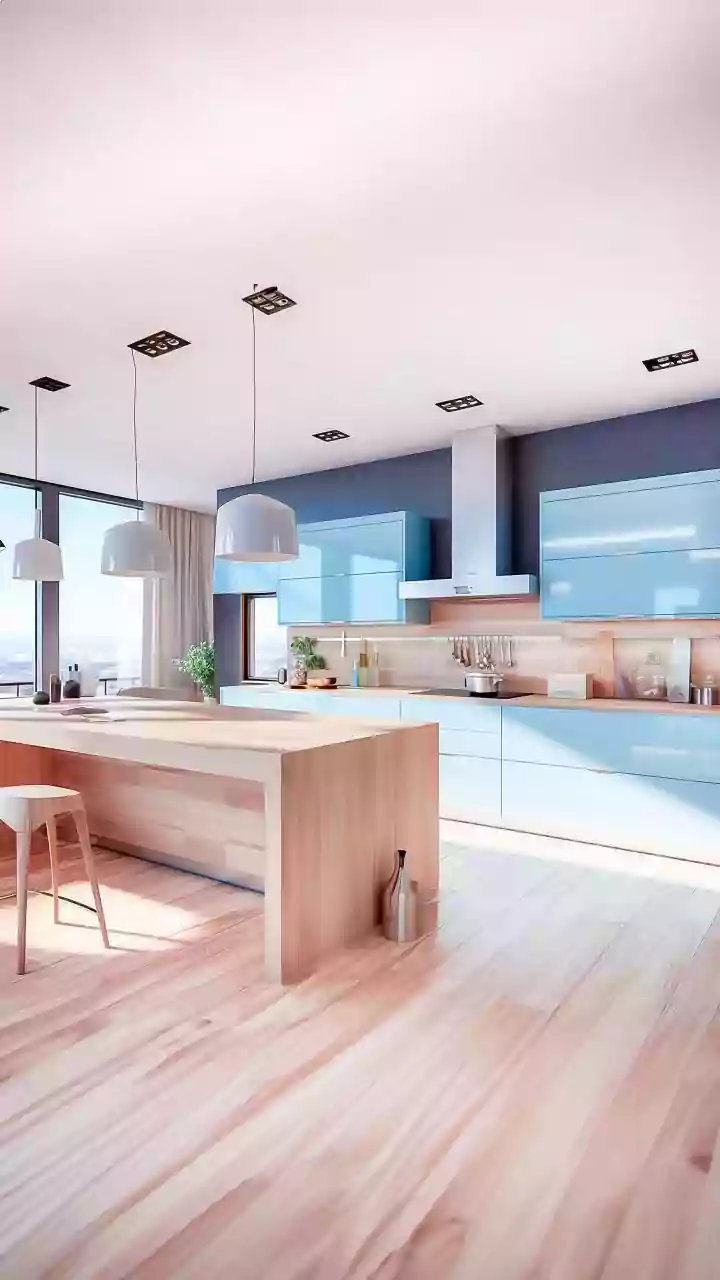
The power of statement lighting relies on getting two things right: scale and placement. A fixture that’s too small will look timid and lost, defeating the purpose. One that’s too large can overwhelm the space. Here are a few rules of thumb. Over a dining table, the fixture’s width should be about one-half to two-thirds the width of the table, and it should hang approximately 30-36 inches above the tabletop. In a living room or entryway, the scale depends on ceiling height. A good starting point for a fixture's diameter is to add the room’s length and width in feet, and then convert that number to inches (e.g., a 12'x15' room suggests a 27" diameter fixture). For arc lamps, ensure the base is tucked out of traffic paths while the head provides light where you need it without forcing people to duck. When in doubt, it's almost always better to err on the side of slightly too big than slightly too small.
Where To Deploy Your Secret Weapon
While any room can benefit from a bold lighting choice, some are prime candidates. The entryway is a classic. A stunning fixture here makes a powerful first impression, welcoming guests with a dose of drama and style. The dining room is another no-brainer; a chandelier or large pendant over the table creates intimacy and a sense of occasion. In the living room, a large central fixture or a striking floor lamp can unify the main seating area. But don't be afraid to think outside the box. A small-but-mighty chandelier can turn a primary bedroom into a luxurious retreat. Even a powder room—often small and windowless—is the perfect place for a design risk, where a bold sconce or a mini pendant can create an unforgettable jewel-box effect. The goal is to add a point of interest where it will have the most impact.