


From the Family Pot to the Pet Bowl
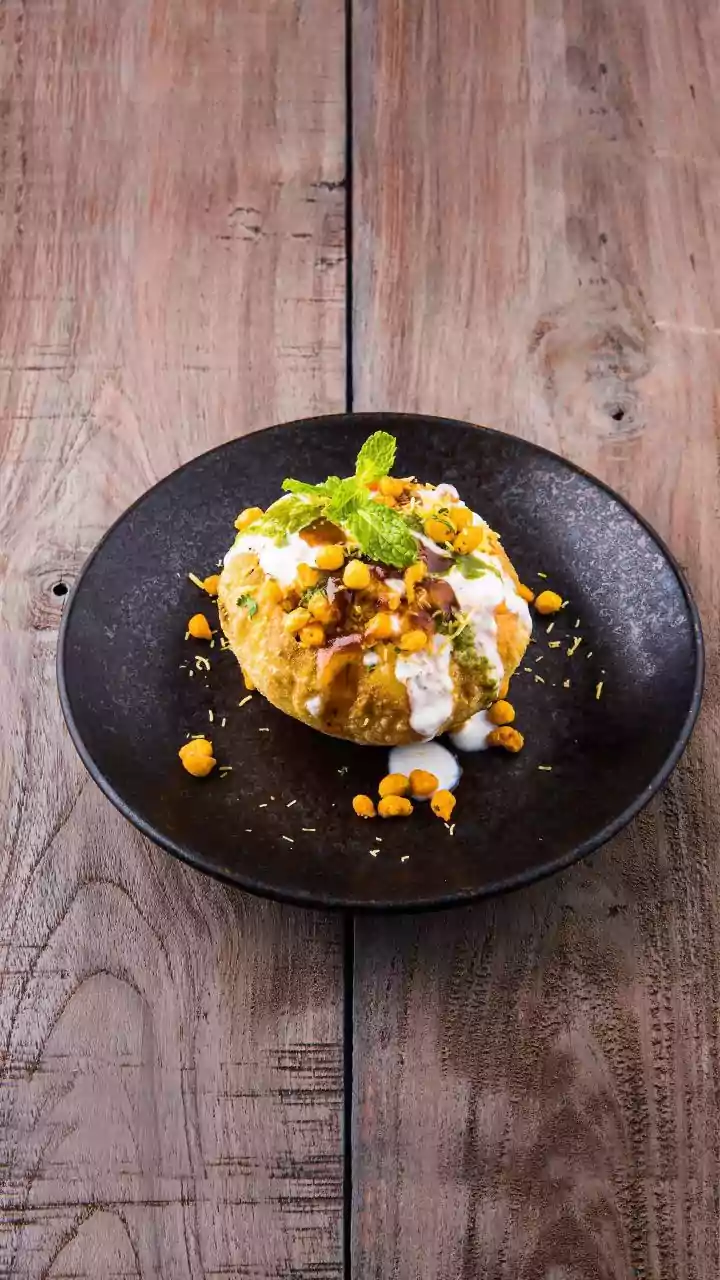
For generations, the concept of specific “pet food” in India was a niche idea, confined to a small, wealthy elite. The family dog or cat was often fed ‘ghar ka khana’—literally, ‘food from the house.’ This meant a diet of table scraps, leftovers, rice,
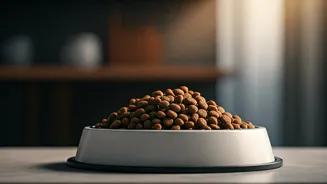
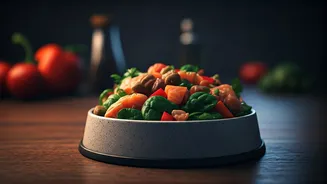
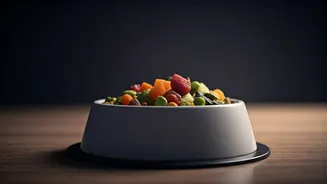
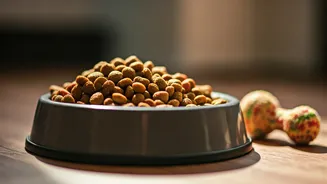
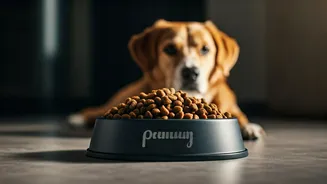
roti (flatbread), and milk. While given with affection, this diet rarely met the specific nutritional needs of cats and dogs. It was a practical approach rooted in a culture where pets were part of the household but not typically seen as requiring specialized, costly care. Now, that paradigm is undergoing a seismic shift. A rapidly expanding urban middle class, armed with more disposable income and global awareness, is driving a revolution in the pet care aisle. The idea of feeding a dog leftover curry is being replaced by a frantic search for the best-formulated kibble, wet food, or even freshly cooked, subscription-based meals designed by veterinary nutritionists. This transition isn't just about food; it's a powerful symbol of changing social structures and aspirations.
The Humanization of Pets
At the heart of this trend is the “humanization” of pets. Across urban India, companion animals are increasingly viewed not as guard dogs or mousers, but as cherished family members. The terminology itself tells the story: people are no longer “pet owners” but “pet parents,” and their dogs and cats are their “fur babies.” This shift is fueled by several converging factors. As more young professionals move to cities, live in nuclear families, and delay marriage or children, pets often fill a crucial emotional role. The loneliness of urban life and the stress of demanding careers have made the unconditional love of a pet more valuable than ever. The COVID-19 pandemic acted as a massive accelerator. A surge in pet adoptions during lockdowns meant millions of new pet parents entered the market, many of them millennials and Gen Zers who were already primed by global media to view pet care through a wellness lens. They apply the same health-conscious principles to their pets that they apply to themselves, scrutinizing labels for proteins, vitamins, and potential allergens.
A Market Unleashed
Where there’s a cultural shift, a market opportunity follows. The Indian pet food market is exploding, with analysts projecting double-digit annual growth. International giants like Mars Petcare (owner of Royal Canin and Pedigree) and Nestlé Purina have long had a presence, but they are now aggressively expanding their premium and therapeutic lines to meet demand. More interestingly, a dynamic ecosystem of domestic startups has emerged to challenge the incumbents. Brands with names like Heads Up for Tails, Dogsee Chew, and Luvin' You are offering everything from Himalayan cheese chews to customized fresh food delivered to your door. These direct-to-consumer (D2C) companies leverage digital marketing and an appeal to “Made in India” pride, positioning themselves as more authentic, agile, and in-tune with the modern Indian pet parent. They’re not just selling food; they’re selling a lifestyle of conscious, loving pet care.
More Than Just Kibble
The focus on nutrition is the leading edge of a much broader wellness wave. The new Indian pet parent is also investing in better veterinary services, preventative care, sophisticated grooming, and accessories. Pet-friendly cafes, daycare centers, and even pet insurance are becoming more common in major metropolitan areas. This holistic approach signals a fundamental change in the human-animal bond. It reflects a society with more resources, a more global outlook, and a new set of emotional priorities. The concerns of a pet parent in Delhi—Is this food sourced ethically? Will it help my dog’s sensitive stomach? Does it have enough omega-3s?—are now remarkably similar to those of their counterpart in Denver. It’s a shared language of care, spoken across continents.