



When and Where to Look
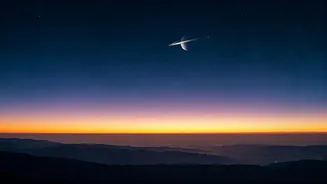
The key to this celestial appointment is timing. You’ll want to set your alarm for about 60 to 90 minutes before your local sunrise. This is the sweet spot when the sky is still dark enough for planets to shine brightly, but Saturn has had time to climb
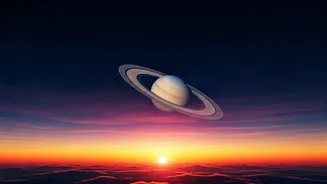
high enough above the horizon for a clear view. Your target direction is the southeastern sky. As you face east, where the sun will eventually appear, scan to your right. Saturn will be a distinct, fairly bright point of light. Unlike the frantic twinkling of distant stars, Saturn will shine with a steady, serene, yellowish-white glow. This constant light is one of the easiest ways to distinguish a planet from a star with the naked eye. In its current position, it resides in the constellation Aquarius, but you don't need to be a constellation expert to find it; its brightness will make it a standout object in that region of the sky.
Naked Eye, Binoculars, or Telescope?
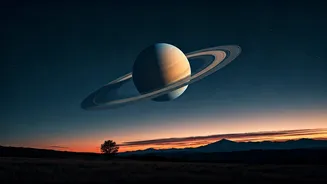
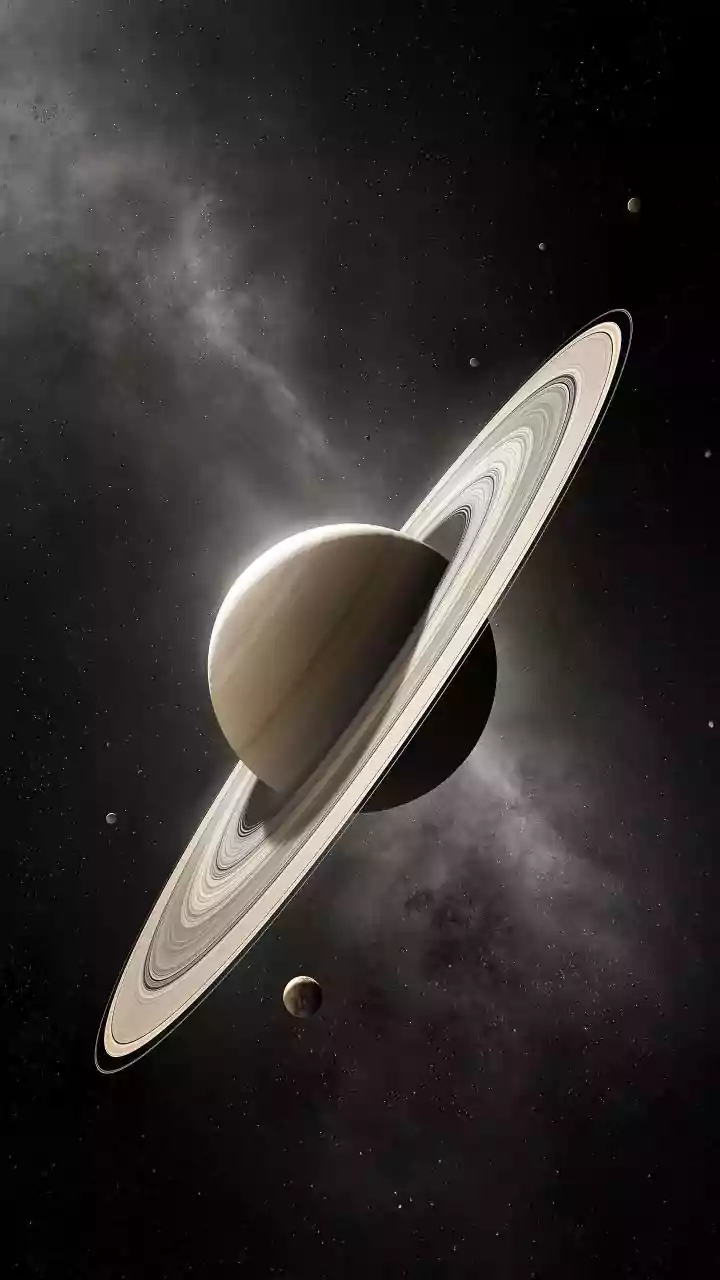
The beauty of this viewing opportunity is its accessibility. You don’t need any special equipment to see Saturn. To the naked eye, it will appear as a brilliant, unblinking “star.” For many, simply identifying it and appreciating its journey across the cosmos is a rewarding experience in itself. If you have a pair of binoculars, however, you can elevate the view. While you won’t see the rings distinctly, steadying your elbows on a fence or car roof might allow you to perceive that the point of light isn’t perfectly round. It may look slightly oblong or oval-shaped—a tantalizing hint of the magnificent rings that encircle the planet. For the main event, a telescope is required. Even a small, modest backyard telescope with 30x magnification or more can transform that steady dot of light into a breathtaking sight. Suddenly, Saturn is no longer a point but a world. You’ll be able to clearly make out the planet as a distinct orb, separated from its famous rings. It’s a moment that tends to stick with people forever—the first time they see the rings of Saturn with their own eyes.
Why Is Saturn Visible Now?
Planets are always on the move, and their visibility from Earth is a constantly changing dance dictated by their orbits around the sun. Right now, Earth and Saturn are positioned in a way that makes the ringed planet a prominent morning object. Each morning, Saturn is rising a little earlier and climbing higher in the pre-dawn sky. This is all building toward a major astronomical event later in the year: Saturn’s opposition. Opposition occurs when Earth passes directly between the sun and an outer planet, effectively putting that planet opposite the sun in our sky. When this happens in early September, Saturn will be visible all night long, rising at sunset and setting at sunrise. It will also be at its closest point to Earth for the year, making it appear at its biggest and brightest. Think of this current morning viewing as a fantastic preview of the main show to come later this summer.
A Moment of Cosmic Connection
In our busy, brightly lit world, it’s easy to forget the vast and beautiful universe operating above our heads every moment. Taking just a few minutes before the day’s chaos begins to find a planet 800 million miles away can be a powerful way to gain perspective. The light you’re seeing from Saturn took over an hour to travel across the solar system to reach your eyes. It’s a free, front-row seat to the grandeur of the cosmos, available from your own backyard, balcony, or a nearby park with a clear view of the horizon. It requires no tickets, no travel—just a willingness to wake up a little early and look up.