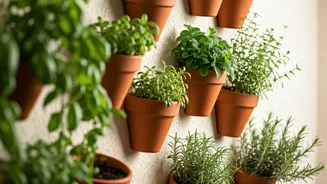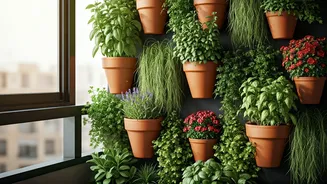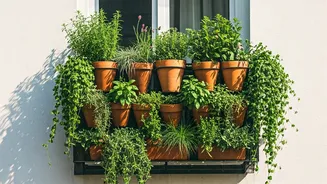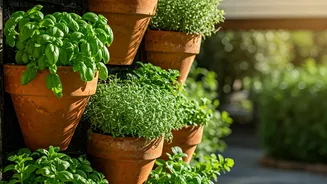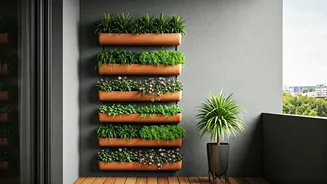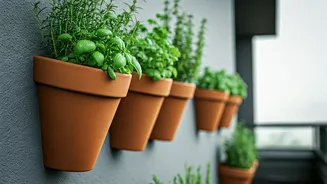






Why Vertical Terracotta Works Best
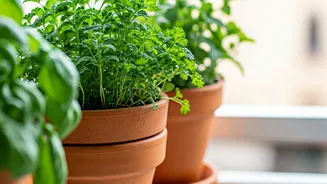
Before we get to the plants, let’s talk about the hardware. This specific combination—vertical and terracotta—is the secret to success in hot, damp climates. Terracotta, or fired clay, is porous. This means air and water can pass through the walls of
the pot. In a humid summer or a rainy spell, this breathability is your best defense against root rot, a common killer of container plants. The clay wicks away excess moisture from the soil, keeping the roots healthy rather than waterlogged. At the same time, the evaporative cooling effect helps protect roots from scorching on brutally hot days. Going vertical is a simple matter of real estate. Most of us don't have sprawling yards; we have a six-by-eight-foot balcony. A vertical or stacking planter allows you to multiply your growing space without taking up more floor area. You can grow four or five different herbs in the same footprint as a single large pot. This setup creates a beautiful column of greenery, turning a bare corner into a productive and aromatic focal point.
1. Mint (Mentha)
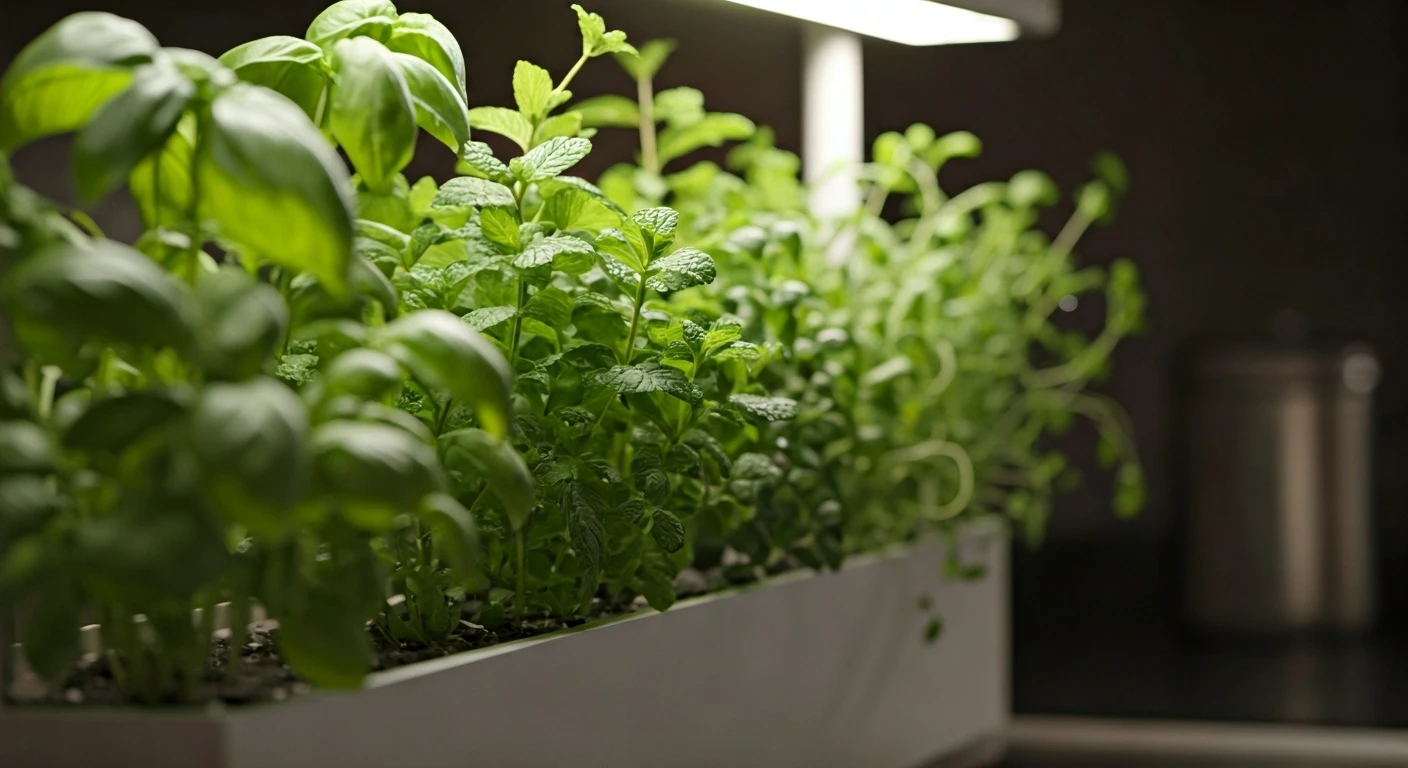
If there’s one herb that laughs in the face of humidity, it’s mint. This vigorous grower loves consistently moist soil and can handle the heat as long as it doesn’t completely dry out. Its tendency to spread aggressively, which is a nightmare in a garden bed, makes it a perfect candidate for a container. In a vertical stacker, it will happily fill its designated tier, trailing gently over the sides. Spearmint is great for cocktails and teas, while peppermint offers a more intense flavor. Just give it its own pot or tier, as its roots will quickly colonize any shared space.
2. Thai Basil (Ocimum basilicum var. thyrsiflora)
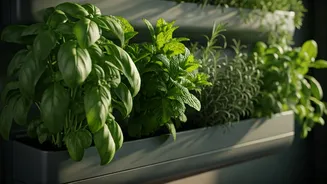
While your classic Italian Genovese basil might wilt and struggle with fungal issues in extreme humidity, Thai basil is built for it. Native to Southeast Asia, it boasts stunning purple stems, sturdy leaves, and a unique anise-clove flavor that’s essential for many curries and stir-fries. It loves heat and regular watering, making it a star performer in a monsoon-style garden. The vertical pot setup provides the excellent drainage it needs to prevent its feet from getting too wet.
3. Ginger (Zingiber officinale)
Growing your own ginger is incredibly rewarding, and it’s surprisingly easy in a container. This tropical plant thrives in warm, shady, and humid environments—exactly the conditions on a covered balcony during a steamy summer. Start with a plump, organic ginger root from the grocery store. Plant a piece with a few budding “eyes” in a deep tier of your vertical planter. Keep the soil consistently moist but not soggy. By the end of the season, you can harvest tender, fragrant ginger root that is far superior to anything you can buy.
4. Lemongrass (Cymbopogon citratus)
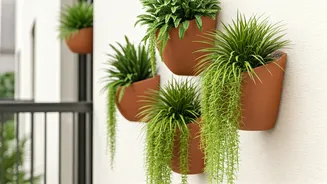
For an architectural and aromatic addition, look no further than lemongrass. This tropical grass loves full sun, heat, and lots of water. It forms a graceful, fountain-like clump that adds height and texture to your vertical arrangement. Use the bottom, thickest part of the stalks for cooking, adding a bright, citrusy note to soups, marinades, and teas. Plant it in the largest, bottom-most pot of your stacker to give its root system ample room to establish itself.
Setup, Soil, and Care
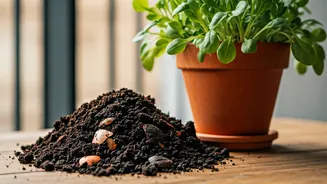
To get started, choose a stacking terracotta planter with drainage holes in each tier. The right soil mix is crucial for success. Don’t use heavy garden soil, which will compact and retain too much water. Instead, buy a high-quality potting mix and amend it with perlite or coarse sand (about 3 parts soil to 1 part perlite) to enhance drainage. When you assemble the planter, make sure each tier is stable before adding the next. Place your vertical garden where it will receive about 4-6 hours of sunlight; a spot with morning sun and afternoon shade is often ideal in the hottest climates. Water thoroughly whenever the top inch of soil feels dry, allowing excess to drain out the bottom. During a rainy week, you may not need to water at all. The key is to check the soil, not water on a rigid schedule. Harvest your herbs regularly by snipping off leaves and stems—this encourages bushier, healthier growth and gives you a constant supply for your kitchen.