



The Rise of Domestic Discovery
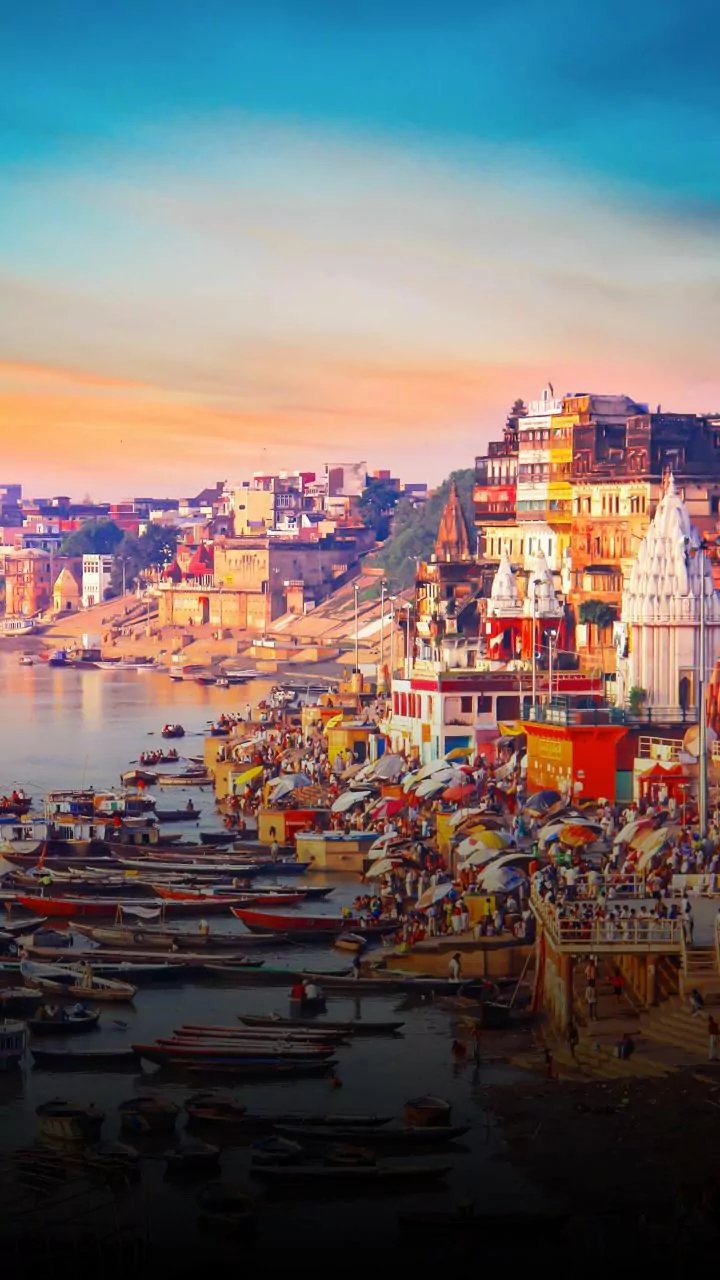
The first and most powerful trend is a pivot inward. For decades, a trip abroad was the ultimate status symbol for India's growing middle class. Now, the new aspiration is exploring the vast, diverse tapestry of India itself. This isn't just a post-pandemic
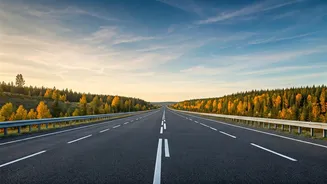
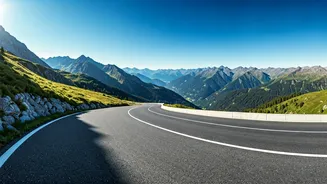
rebound; it's a fundamental realignment. A major catalyst is infrastructure. The Indian government's UDAN scheme has connected dozens of smaller, regional cities by air, turning once-remote destinations into viable weekend trips. Simultaneously, a massive expansion of national highways has made road-tripping more comfortable and efficient than ever before. This boom in domestic travel is fueled by a desire for authenticity and a sense of national pride. Indians are rediscovering their own backyard, from the serene tea plantations of Munnar and the stark beauty of Ladakh to the historic temple towns of Tamil Nadu. Tour operators and hospitality brands are responding in kind, shifting focus from international packages to curated domestic experiences that highlight local culture, cuisine, and heritage. The result is a travel ecosystem that is becoming more self-reliant and deeply rooted in its own geography.
Micro-Vacations and the Weekend Escape
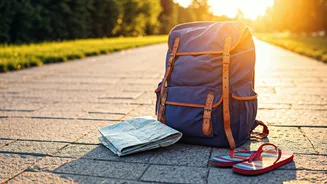
The traditional two-week annual vacation is being replaced by a more agile approach to leisure: the short trip. As urban life in cities like Mumbai, Bangalore, and Delhi becomes more demanding, the need for quick-hit escapes is paramount. This has given rise to the “micro-vacation”—three-to-four-day trips, often tacked onto a long weekend, designed for maximum refreshment with minimal time off. This trend is changing what people look for in a destination. Proximity is key. Travelers are seeking out boutique hotels, wellness retreats, and eco-lodges within a few hours' drive or a short flight from their home city. The concept of the “staycation,” once a niche idea, is now mainstream. This shift also reflects a change in mindset. Rather than saving up all year for one big, often stressful, international journey, many Indians now prefer to sprinkle their calendar with multiple smaller, more manageable breaks. It’s a move from marathon tourism to a series of satisfying sprints, allowing for more frequent respite from the daily grind.
Curated for the 'Gram
The third pillar of this new travel paradigm is its “shareability.” In a country with one of the world's largest user bases for Instagram and YouTube, a trip isn't just about the experience—it's about the content it generates. Social media is no longer just an afterthought; it is a primary driver of destination discovery and travel planning. Influencers and content creators have become the new tour guides, unearthing “hidden gems” and creating visual templates that their followers are eager to replicate. This has led to the rise of destinations known for a single, iconic, Instagrammable spot. A particular swing overlooking a valley, a vividly colored door in a historic quarter, or a cliffside cafe with a perfect sunset view can turn an unknown village into a bustling tourist hotspot almost overnight. This puts pressure on travelers to not just visit a place, but to capture it beautifully. It also means that aesthetics and unique visual appeal are becoming crucial for hotels, restaurants, and even entire regions looking to attract the modern Indian traveler. The journey is now a story to be told online, and every stop is a potential scene.