




What Is Nature-First Travel?
Forget simply squeezing a hike in between brunch and a museum visit. Nature-first travel is an intentional shift where the natural world dictates the itinerary, lodging, and overall pace of a trip. It’s a philosophy that prioritizes connection over convenience
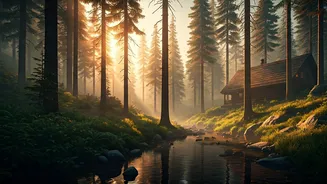
and immersion over observation. This goes beyond visiting a national park. It could mean booking an off-grid cabin where the main activity is stargazing, staying on a working farm to learn about sustainable agriculture (agritourism), or choosing a remote ecolodge where the architecture and daily rhythms are designed to coexist with the surrounding ecosystem. The core idea is that the destination’s wild spaces, flora, and fauna aren't just attractions; they are the reason for the journey itself.
Why Is This Happening Now?
Several factors are fueling this green wave in travel. The most significant is a collective case of digital burnout. After years spent tethered to screens, Americans are actively seeking out experiences that offer a genuine disconnect. The silence of a forest or the rhythm of the ocean has become the ultimate luxury. A 2023 report from the Expedia Group noted that nearly half of travelers are more likely to seek out trips to “unplug.”
Furthermore, the pandemic recalibrated our priorities. It reminded many of the restorative power of the outdoors, a sentiment that has stuck. There's also a growing eco-consciousness. Travelers are increasingly aware of their environmental footprint and are looking for ways to travel more responsibly. This trend isn't about roughing it; it’s about aligning travel with personal values of wellness and sustainability.
Beyond the Classic Campsite
While camping and hiking are staples, the modern nature-first movement is far more diverse. “Glamping” (glamorous camping) continues to boom, offering amenities like real beds and private bathrooms in yurts, safari tents, and Airstreams. These options provide the immersion of camping without sacrificing comfort, making the outdoors accessible to a wider audience.
Biophilic design is another key element. Hotels and resorts are increasingly incorporating nature into their very structure, with living walls, natural materials, and rooms that seamlessly blend indoor and outdoor spaces. The goal is to create an environment that feels restorative and connected to place, even when you’re inside. Think less of a hotel room with a view and more of a view with a room attached.
The Next Step: Regenerative Travel
The most committed nature-first travelers are embracing an even more profound concept: regenerative travel. While sustainable tourism aims to “leave no trace,” regenerative tourism asks, “How can we leave this place better than we found it?”
This might involve staying at a resort that reinvests its profits into local conservation projects, participating in a beach cleanup as part of your stay, or choosing a tour operator that helps reforest a damaged ecosystem. It’s an active, participatory form of travel that shifts the tourist from a passive consumer to a temporary steward of the land. It’s about reciprocity—giving back to the place that is giving you so much peace and restoration.
How to Plan Your Own Nature-First Trip
Finding these experiences is easier than ever. When searching online, use specific keywords like “ecolodge,” “conservation tourism,” “agritourism,” “farm stay,” or “regenerative travel.” Platforms like Hipcamp specialize in unique outdoor stays, while sites like Kind Traveler allow you to book hotels that have a positive community or environmental impact.
When you find a potential spot, don't be afraid to ask questions. Inquire about their sustainability practices, their connection to the local community, and what opportunities they offer for guests to engage with the natural environment. A truly nature-first destination will be proud to share its story and its mission.