




More Than Just a Wash
If you’ve ever referred to yourself as your dog’s mom or your cat’s dad, you’re part of a massive cultural shift. The term 'pet owner' is steadily being replaced by 'pet parent,' and this isn't just a semantic game. It reflects a deeper, more emotionally
integrated role that animals play in American households. They aren't just companions; they’re family members. And just like we care for our human children, modern pet parents are investing time, money, and emotional energy into their animals' well-being. Grooming has become a primary frontier for this new level of care. It’s transformed from a purely functional task—keeping the dog from smelling or the cat from shedding everywhere—into a holistic ritual focused on comfort, health, and even aesthetic expression.
The Wellness Boom for Paws
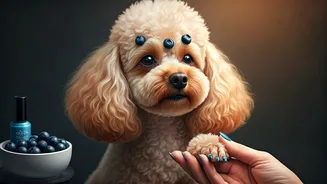
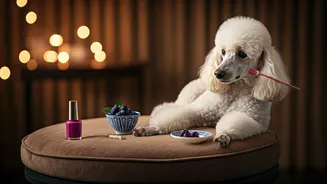
The same wellness trends that have taken over human lives are now being adapted for our four-legged friends. Think about it: we use face masks, take supplements, and prioritize self-care. It was only a matter of time before we started asking, 'What about Fido?' This has given rise to a booming market of specialized grooming services that mirror human spa treatments. Professional groomers now offer 'paw-dicures' with soothing balms for cracked paw pads, de-shedding treatments that feel more like a deep-tissue massage, and the now-famous 'blueberry facial'—a gentle, tear-stain-removing cleanser that sounds good enough to eat. It’s not about frivolous pampering; it’s about applying a wellness lens to an animal’s entire body, from nose to tail. The goal is proactive health and comfort, not just reactive cleaning.
A Bonding Ritual, Not a Chore
While luxury grooming services get a lot of attention, the 'pet parent' ethos is also reshaping what happens at home. The nightly 10-minute brushing session, the patient tooth-brushing routine with chicken-flavored toothpaste, or the gentle ear cleaning are no longer dreaded tasks. For many, they’ve become predictable, calming moments of connection. Animals thrive on routine, and when grooming is approached with patience and positive reinforcement, it can strengthen the bond between human and pet. It’s a quiet time to check in, notice any new lumps or bumps, and provide physical touch that reinforces trust and security. Instead of a struggle, it’s reframed as a shared activity—a non-verbal conversation that says, 'I’m here, and I’m taking care of you.'
Ready for Their Close-Up
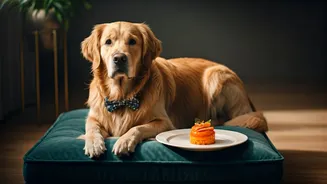
We can’t talk about modern pet culture without mentioning social media. Our pets have become stars of their own Instagram and TikTok accounts, and as their 'parents' and de facto brand managers, we want them to look their best. This has undeniably fueled the demand for more sophisticated grooming. A clean, well-styled coat simply photographs better. This drives trends in breed-specific cuts that accentuate a dog’s features, and even the niche (and sometimes controversial) world of pet-safe creative coloring. Whether it’s getting a Golden Retriever’s feathers perfectly trimmed or ensuring a Poodle’s pom-poms are impeccably round, aesthetics play a role. It’s the 21st-century version of putting a bow on a baby’s head—an outward display of the pride and joy we take in our furry family members.
Finding the Right Balance
Of course, not every dog needs a weekly facial, and not every cat will tolerate having its teeth brushed. Vets and animal behaviorists often advise that the best grooming routine is one tailored to the specific animal’s breed, temperament, and health needs. A husky’s dense undercoat requires a different approach than a short-haired terrier’s, and a nervous rescue may need a much slower, more patient introduction to grooming tools. The core of the modern pet parenting movement isn’t about forcing human trends onto animals, but about being more attentive and intentional. It’s about seeing grooming not as an obligation, but as an opportunity—to improve health, deepen a bond, and express the deep affection we feel for the animals who share our lives.