


The Old Guard of 'Healthy'
For decades in India, the concept of “health food” was often synonymous with something you endured, not enjoyed. It was the bitter taste of karela (bitter gourd) juice, the blandness of boiled vegetables, or the gritty texture of unseasoned porridge.
Wellness was perceived as medicinal, a necessary but joyless prescription for ailments. Food was either tasty or it was healthy; the two rarely met. This binary created a gap in the market that was vast, but for a long time, largely unaddressed. The prevailing belief was that if you wanted to eat healthy, you had to sacrifice the rich, complex flavors that are the hallmark of Indian cuisine. For a culture that celebrates food with such passion, this was a difficult pill to swallow—often literally.
Meet the New Tastemakers
Enter India’s millennials and Gen Z. This demographic, armed with disposable income, global exposure through social media, and a heightened post-pandemic awareness of health and immunity, is rewriting the rules. They are unwilling to compromise. They want the nutritional benefits of clean eating but refuse to abandon the taste profiles they grew up with. This isn't just about cutting sugar or adding protein; it's about integrating wellness into their lifestyle without it feeling like a punishment. They are the engine behind a booming market for direct-to-consumer (D2C) brands that understand this new mindset. These consumers read labels, question ingredients, and demand transparency, pushing companies to innovate or be left behind.
From Millets to Makhana
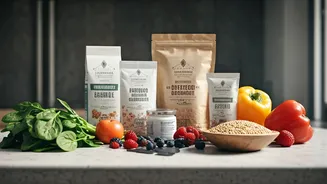
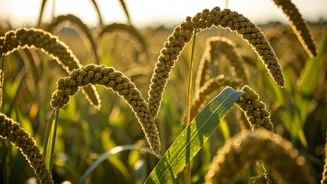
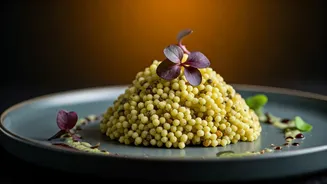
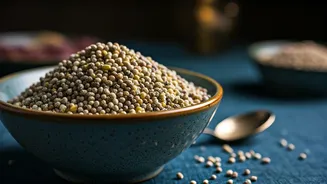
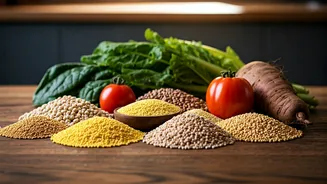
The innovation isn't coming from inventing new, synthetic ingredients. Instead, it’s about rediscovering and rebranding India’s own ancient superfoods. Millets, a hardy group of cereal grains like ragi, jowar, and bajra, are front and center. Once dismissed as rural or old-fashioned, they are now the star ingredients in everything from breakfast cereals and pancake mixes to pasta and baked chips. Brands like Slurrp Farm and The Whole Truth are turning these nutrient-dense grains into convenient, modern products. Another hero ingredient is makhana (fox nuts), a low-calorie, high-protein snack that is now being sold in a variety of seasonings, from classic salt and pepper to spicy peri-peri, appealing to a palate accustomed to Lay's and Kurkure but seeking a healthier alternative. These products offer a guilt-free way to snack, combining familiar comfort with nutritional science.
The 'Clean Label' Goes Desi
This movement mirrors the “clean label” trend seen across the U.S. and Europe, but with a uniquely Indian, or “desi,” twist. The demand is for products with no artificial flavors, colors, or preservatives. Consumers want to see a short, understandable ingredient list. But instead of just kale and quinoa, the focus is on traditional ingredients and natural sweeteners like jaggery and coconut sugar. It’s a quiet rejection of the hyper-processed, Western-style foods that gained popularity in the 90s and 2000s. These new Indian wellness brands are building trust by being transparent about their sourcing and production, often highlighting the use of local, farm-sourced ingredients. It’s a full-circle moment: moving away from industrial food by embracing a modernized version of grandmother’s wisdom.
Why This Matters Beyond India
What's happening in India is more than a local food trend; it's a blueprint for the future of wellness in a globalized world. It shows that health doesn't have to be monolithic or bland. As Indian startups perfect the art of making healthy food delicious and culturally relevant, it’s only a matter of time before these innovations find their way to international markets. For the U.S., with its large and influential Indian diaspora, the arrival of ragi-based pancake mix or masala-flavored oat bars in mainstream grocery aisles seems not just possible, but inevitable. This flavor-forward wellness movement proves that the most successful health trends are not those that impose a foreign ideal, but those that adapt and celebrate local tastes.