


What Exactly Is Monk Fruit?
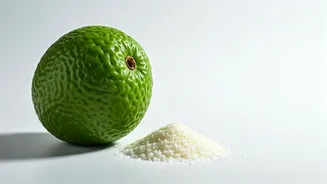
Before we can declare a winner in this sweetener showdown, let's get acquainted with the challenger. Monk fruit, also known as luo han guo, is a small, green gourd native to Southern China. It gets its intense sweetness not from fructose or sucrose, but
from unique antioxidants called mogrosides. When processed, these mogrosides are separated from the fruit's juice, resulting in a powder that is 150 to 200 times sweeter than table sugar. Because the body metabolizes mogrosides differently than simple carbohydrates, monk fruit sweetener contains zero calories and does not raise blood glucose levels, making it a powerful tool for those managing weight or diabetes.
The Blood Sugar and Calorie Battle
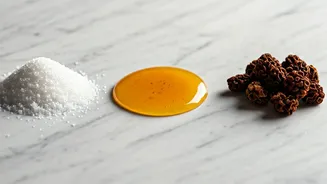
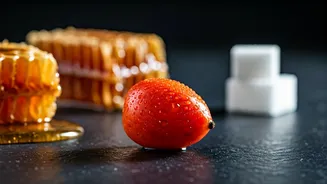
This is where the “doctor says” part of the headline gains its credibility. For anyone concerned with metabolic health, the primary difference between these three is their impact on blood sugar and their calorie load. Table sugar is the benchmark for the Glycemic Index (GI) at around 65. It causes a rapid spike in blood sugar and insulin. Honey, while often touted as more “natural,” is still composed of fructose and glucose; its GI is slightly lower than sugar’s (around 58), but it still significantly impacts blood sugar. Monk fruit stands in stark contrast with a GI of zero. It provides sweetness without the corresponding blood sugar surge. Similarly, a teaspoon of sugar has about 16 calories, and honey has about 21. Monk fruit has zero. For doctors helping patients manage diabetes, pre-diabetes, or obesity, this distinction is not just a detail—it’s the entire game.
But Is It 'Healthier'?
The word “healthy” can be tricky. While sugar offers no nutritional benefits and is linked to numerous health issues when overconsumed, raw honey does contain trace amounts of antioxidants, vitamins, and minerals. It also possesses some antimicrobial properties. However, the amounts are very small, and you’d have to consume a large (and very sugary) quantity to see any significant benefit. Monk fruit, on the other hand, doesn't add calories or spike blood sugar, which is a major health positive. The mogrosides that give monk fruit its sweetness are also antioxidants, which may help fight inflammation, though research is ongoing. The main drawback is that many commercial monk fruit products are blended with other sugar alcohols like erythritol to bulk them up, which can cause digestive upset in some individuals. Pure monk fruit is a better, though more expensive, option.
The Real-World Kitchen Test
Health metrics are one thing, but taste and function are another. Sugar provides not just sweetness but also texture, moisture, and browning (the Maillard reaction) in baking. It’s a workhorse. Honey also adds a distinct flavor and moisture. Monk fruit provides sweetness, but it doesn't caramelize or brown like sugar, which can change the outcome of your favorite cookie recipe. Some people also report a slight, lingering aftertaste with monk fruit, although it’s generally considered less pronounced than that of other zero-calorie sweeteners like stevia. For sweetening coffee, tea, yogurt, or smoothies, monk fruit is an excellent swap. For complex baking, it may require some experimentation and won't be a perfect one-to-one substitute for sugar's chemical properties.