

Beyond the Big-Box Look
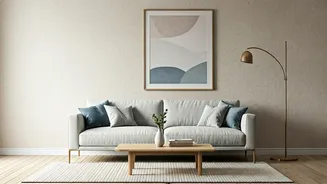
After a decade dominated by the sleek, impersonal aesthetic of Scandinavian minimalism and mid-century modern replicas, our homes started to look a little… uniform. The same gray velvet sofa, the same geometric rug, the same factory-perfect fiddle-leaf
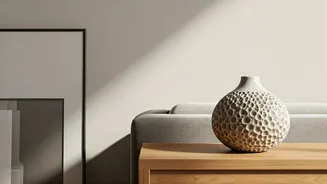
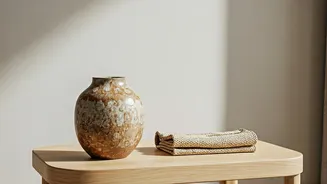
fig pot appeared in countless living rooms across the country. While beautiful, this pursuit of perfection often stripped our spaces of personality. Now, the pendulum is swinging back with force. The comeback of handmade decor isn't just about adding a few new items; it's a fundamental shift in what we value. We're trading flawless for soulful. Instead of a perfectly symmetrical print, we’re drawn to a block-printed textile where you can see the artist’s hand. Instead of a set of identical machine-made mugs, we want the hand-thrown ceramic ones where no two are exactly alike. It’s a return to texture, story, and the tangible evidence of human creation.
A Human Touch in a Digital World
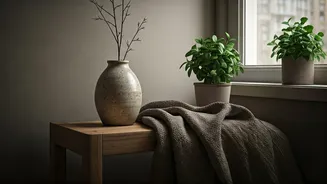
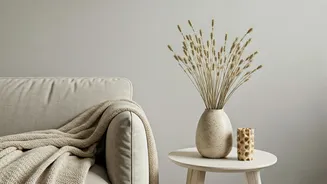
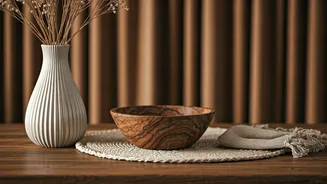
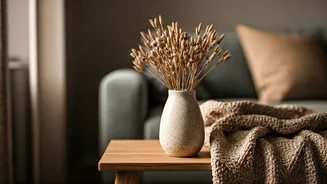
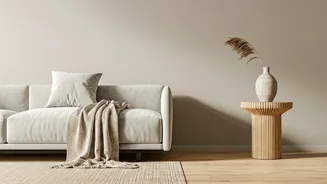
So, what’s driving this collective pivot to artisan goods? In large part, it's a reaction to our increasingly digital lives. We spend our days scrolling through perfectly curated, disembodied images on glowing screens. Our social interactions are mediated by apps, and our shopping is guided by algorithms. It’s efficient, but it’s also sterile. Handmade decor is the antidote. A hand-carved wooden bowl, a chunky knit blanket, or a piece of pottery with a slightly uneven glaze provides a much-needed tactile connection to the real world. These objects have weight, texture, and a story. Running your hand over the grain of wood or feeling the thick weave of a tapestry is a grounding, sensory experience that a digital life simply cannot offer. It’s a quiet declaration that we are not just avatars; we are physical beings who crave warmth, texture, and tangible beauty.
The Beauty of Imperfection
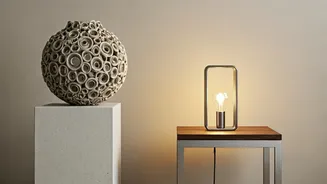
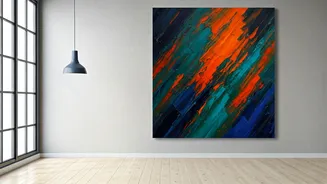
For a long time, an imperfection was seen as a flaw to be corrected. But the handmade trend embraces the Japanese concept of wabi-sabi—finding beauty in imperfection and transience. The slight wobble in a hand-blown glass, the subtle variation in a hand-dyed fabric, or the visible brushstrokes on a small painting are no longer defects. They are the signature of the creator, the proof of an object’s unique journey. This appreciation for the imperfect is a form of rebellion against the pressure to present a flawless, curated life online and offline. By choosing objects that are honestly and beautifully themselves, flaws and all, we give ourselves permission to do the same. It makes our homes feel less like showrooms and more like sanctuaries—places where we can be authentic, comfortable, and human.
Curating a Home with a Story
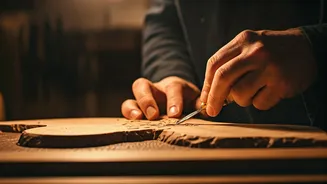
Ultimately, the handmade comeback is about storytelling. When you buy from a big-box store, the object’s story begins and ends with a barcode. But when you buy a ceramic vase from a potter on Etsy, or a quilt from a local artisan fair, or a painting from a small gallery, you are acquiring a piece of a larger narrative. You’re connecting with an artist, supporting a small business, and bringing an object with a history into your home. That mug wasn’t made by a machine in a faraway factory; it was shaped on a wheel by someone with a passion. That wall hanging tells the story of hours of patient weaving. These items transform a house into a home, filling it not just with things, but with meaning, connection, and the unmistakable warmth of the human touch.