








The Allure of the Monsoon
In the American travel mindset, rain is often seen as a vacation-ruiner—a meteorological villain that cancels beach days and forces you indoors. But in India, the monsoon is a celebrated, life-giving force. From June to September, seasonal rains arrive
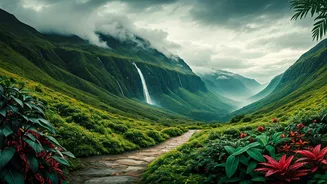
to quench the parched earth, transforming dusty landscapes into lush, emerald wonderlands. The air grows heavy with the petrichor—the intoxicating scent of rain hitting dry soil. Rivers swell, waterfalls thunder back to life, and a cool, dramatic mist drapes itself over the hills. For travelers willing to trade their sunglasses for a cozy sweater, this season offers a more intimate, atmospheric, and uncrowded alternative to peak-season tourism. It’s a time for slowing down, for introspection, and for watching the world bloom from the comfort of a window-side armchair.
Coorg: The Scotland of India
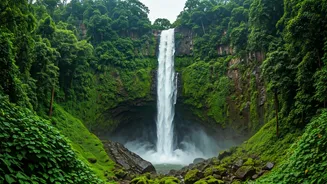
Nestled in the Western Ghats of Karnataka, Coorg—or Kodagu, as it’s officially known—is a land of rolling hills carpeted with coffee plantations and spice gardens. During the monsoon, it earns its nickname, “The Scotland of India,” with a moody, ethereal beauty. The relentless green is broken only by the silvery cascades of waterfalls like Abbey Falls, which are at their most spectacular during the rains. The coffee blossoms are gone, but the air is thick with the scent of wet earth, pepper vines, and cardamom. Driving through Coorg’s winding roads during a downpour, with mist clearing just long enough to reveal a stunning valley view, is an experience in itself. The region is famous for its charming homestays and boutique resorts, many offering private cottages with fireplaces and balconies that open up to the rain-soaked wilderness. It’s the perfect setting for doing nothing at all, except listening to the rhythm of the rain with a cup of locally grown coffee in hand.
Munnar: An Emerald Kingdom
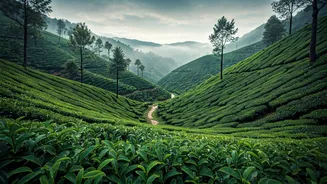
Further south, in the state of Kerala, lies Munnar. If Coorg is about intimate, forested hills, Munnar is about breathtaking, cinematic scale. This is the heart of South India’s tea country, and its landscape is a stunning tapestry of manicured tea estates that ripple across the mountainsides. When the monsoon clouds roll in, they often hang low in the valleys, making you feel as if you’re floating above them. The vibrant green of the tea leaves, dotted with the bright colors of workers’ umbrellas, becomes even more saturated under the grey skies. A visit to Top Station or the Eravikulam National Park (when accessible) offers views that are pure drama. The romance of Munnar lies in its vastness and its quietude. The tea gardens seem to absorb sound, creating a peaceful sanctuary broken only by birdsong and the steady drum of rainfall. It's a place to feel small against the grandeur of nature, sharing a thermos of hot, sweet chai while watching the clouds drift across an epic, green stage.
An Intimate Kind of Travel
A monsoon trip to Coorg or Munnar redefines the idea of a successful vacation. It’s not about ticking off a checklist of sights. In fact, heavy rains might make some trails or viewpoints inaccessible. Instead, the journey turns inward. It’s about the simple, profound pleasure of watching the weather change from a dry, sheltered perch. It’s about long conversations, finishing a book, or simply enjoying the company of a loved one without the pressure to “do” anything. This style of travel fosters a deep connection not only with your surroundings but with each other. The persistent rain creates a natural cocoon, encouraging you to savor the warmth and comfort of your accommodation. In a world that constantly urges us to go faster and see more, the monsoon in these hill stations offers a welcome, and deeply romantic, invitation to pause.